English
- English
- Español
- Português
- русский
- Français
- 日本語
- Deutsch
- tiếng Việt
- Italiano
- Nederlands
- ภาษาไทย
- Polski
- 한국어
- Svenska
- magyar
- Malay
- বাংলা ভাষার
- Dansk
- Suomi
- हिन्दी
- Pilipino
- Türkçe
- Gaeilge
- العربية
- Indonesia
- Norsk
- تمل
- český
- ελληνικά
- український
- Javanese
- فارسی
- தமிழ்
- తెలుగు
- नेपाली
- Burmese
- български
- ລາວ
- Latine
- Қазақша
- Euskal
- Azərbaycan
- Slovenský jazyk
- Македонски
- Lietuvos
- Eesti Keel
- Română
- Slovenski
- मराठी
- Srpski језик


Low Voltage Power Cable
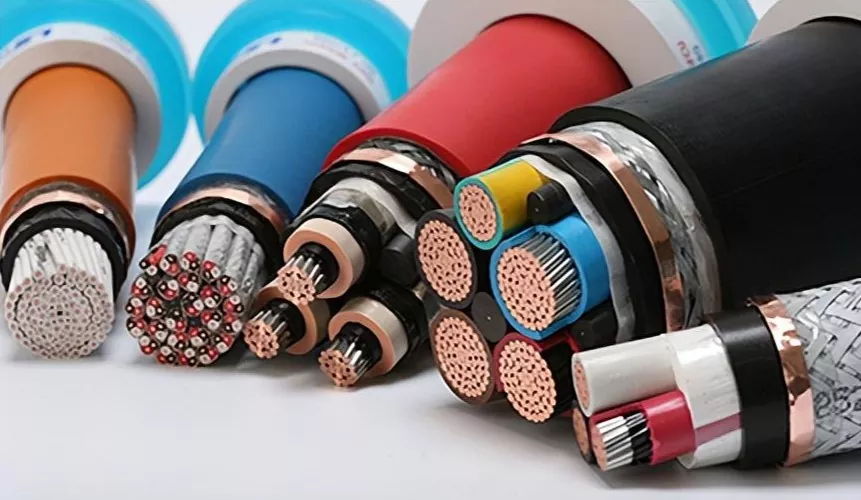
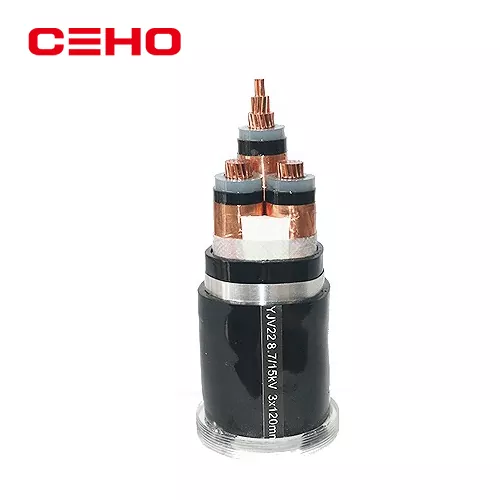
China Low Voltage Power Cable factory, Ceho, specializing in high-volume production with strict ISO quality control, offering OEM/ODM services.The Power Cable is a type of power transmission cable with a rated voltage not exceeding 1 kV (typically 0.6/1 kV). This product is widely used in residential, commercial, industrial and power distribution systems and is a fundamental component of modern power distribution networks.
Factory-direct Low Voltage Power Cable wholesale – 50% off bulk orders. Ceho’s cables include UL tray cable in power sizes and CSA Teck 90 cables (3 conductor with ground or 4 conductor with ground products) available in a variety of shielding or armor options. No matter which cable you choose, you'll experience outstanding reliability and maximum performance. Low Voltage Power Cables are essential components in modern electrical power systems, designed to efficiently transmit electricity across low voltage (LV), medium voltage (MV), and high voltage (HV) networks. These electrical cables feature excellent conductivity, robust insulation, and superior resistance to heat and weather, making them suitable for industrial, commercial, and infrastructure applications. With advanced materials and precision engineering, power cables ensure safe, stable, and long-lasting energy transmission in diverse environments.
Low-voltage cable sizing module
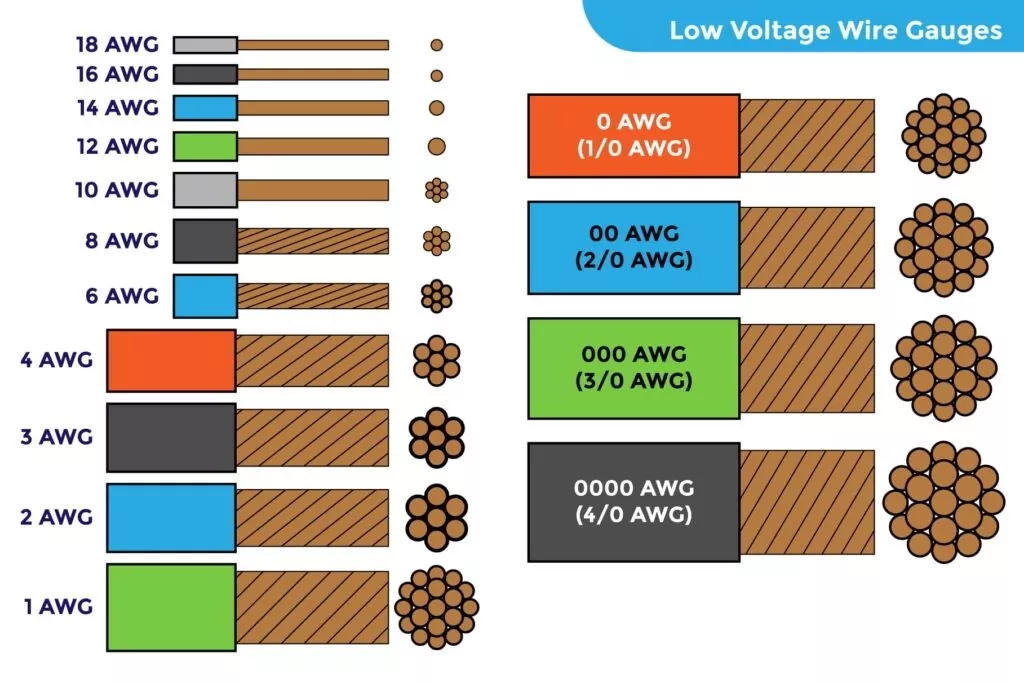
Clearly, different installation environments require different cable designs and materials. Ceho's selection module can calculate cable sizes for specific locations in a network based on any of the following standards:
● IEC 60364 5-52 Standard: Low-voltage electrical installations – Part 5-52: Selection and installation of electrical equipment – Cabling systems.
● NEC Method: NFPA-70-2011 National Electrical Code.
This module is suitable for radially balanced three-phase/single-phase systems. The calculation supports conductor materials of copper or aluminum, and insulation materials or cable types conforming to relevant standards.
Calculations
● Current Carrying Capacity – Taking into account the cable installation method, the software determines the cable size based on the installed current carrying capacity. Factors to consider when selecting low-voltage power cables include, but are not limited to, soil thermal resistance and temperature, and circuit grouping.
● Voltage Drop Limits under Normal Operating Conditions – Calculated based on the standard voltage drop formula. The software determines the cable size based on the specified voltage drop limits. Low-voltage power cables take into account cable resistance, reactance, and length, and provide data on the maximum permissible voltage drop.
● Short-circuit withstand capability (IEC standard only) – Calculates short-circuit temperature rise based on maximum fault current and fault duration. These parameters can be defined or based on performed short-circuit analysis.
● If multiple calculations are performed on the same device, optimal dimensions will be determined, and specific cables will be recommended from the cable library.
● Full-load current and power factor can be based on performed power flow analysis or defined by the user.
Cable library
Cable type is a key factor in cable selection. Ceho's software includes a comprehensive cable library containing single-core, three-core, and three-core cables with a ground conductor. All nominal and cable configuration data are available for calculation.
8 Steps to Low Voltage Power Cable Selection and Sizing
1. Determine the load requirements
Calculate the current demand based on the equipment power, operating time and load type (continuous/intermittent) to ensure that the cable can stably carry the load for a long time.
2. Select the cable type
Select insulating materials (such as cross-linked polyethylene), conductor materials (copper or aluminum), and structures (single-core or multi-core) based on the application scenarios (such as nuclear power plants, industrial or civil use).
3. Calculate the current-carrying capacity
Calculate the allowable current-carrying capacity based on the cross-sectional area of the cable, ambient temperature and laying method (such as direct burial, conduit or overhead) to ensure it does not exceed the rated value.
4. Consider short-circuit protection
Check the short-circuit withstand capacity of the cable to ensure it can withstand a certain period of time under fault current (such as the short-circuit capacity required by the AP1000 nuclear power plant).
5. Evaluate the voltage drop
Calculate the line voltage drop and ensure that the voltage fluctuation at the end is within the allowable range (usually ≤5%) to avoid abnormal operation of the equipment.
6. Economic analysis
Compare the initial investment (CAPEX) and operating cost (OPEX) of cables with different cross-sections, and select the solution with the best long-term cost.
7. Adjust environmental factors
Correct the current-carrying capacity of the cable: Use it at a reduced capacity in high-temperature environments, and select weather-resistant materials in damp or corrosive places.
8. Comply with safety regulations
Adhere to standards such as UL or ETAP to ensure that the Low Voltage Power Cable selection meets fire prevention, explosion prevention and personnel safety requirements (such as arc protection)
Send Inquiry
Contact Info
-
Address
No. 381, Jingqi Road, Economic Development Zone, Yueqing City, Zhejiang Province, China
-
Tel
-
Email
For inquiries about power transformer, box-type substation, switchgear or price list, please leave your email to us and we will be in touch within 24 hours.
Related Products

News Recommendations