
English
- English
- Español
- Português
- русский
- Français
- 日本語
- Deutsch
- tiếng Việt
- Italiano
- Nederlands
- ภาษาไทย
- Polski
- 한국어
- Svenska
- magyar
- Malay
- বাংলা ভাষার
- Dansk
- Suomi
- हिन्दी
- Pilipino
- Türkçe
- Gaeilge
- العربية
- Indonesia
- Norsk
- تمل
- český
- ελληνικά
- український
- Javanese
- فارسی
- தமிழ்
- తెలుగు
- नेपाली
- Burmese
- български
- ລາວ
- Latine
- Қазақша
- Euskal
- Azərbaycan
- Slovenský jazyk
- Македонски
- Lietuvos
- Eesti Keel
- Română
- Slovenski
- मराठी
- Srpski језик

Industry News
 09 2026-04
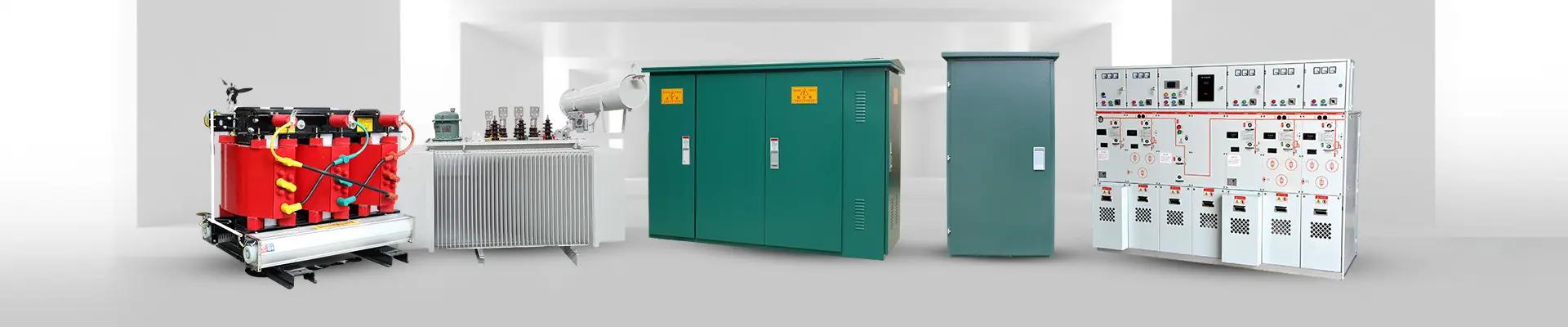
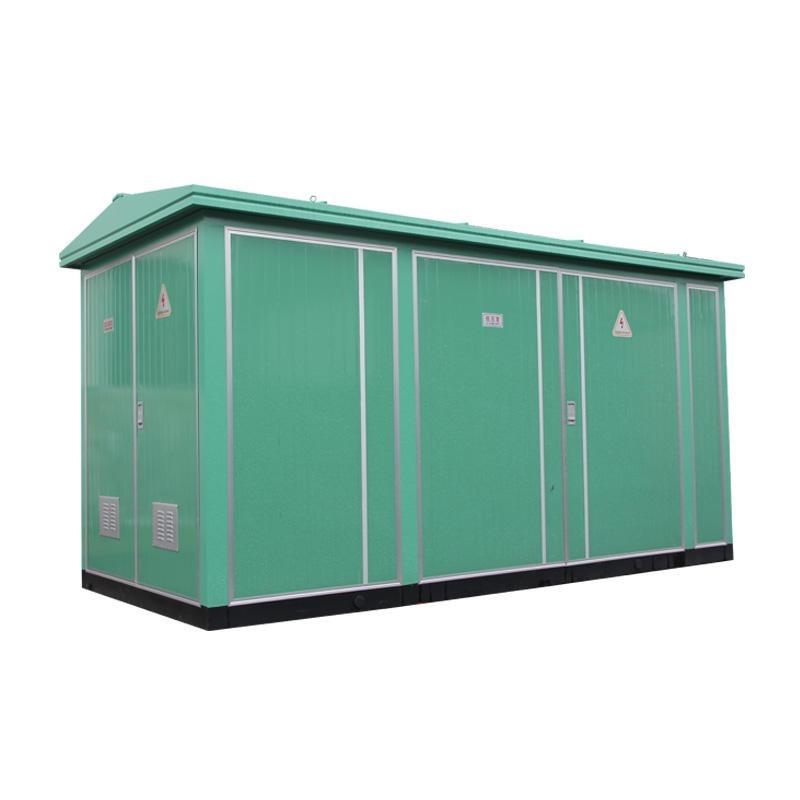
What is the technical analysis of box-type substations in Europe, the United States, and China?
From the perspective of electrical engineers, European, American, and Chinese (Chinese-style) containerized substations represent three distinct technical approaches based on differing grid standards, geographical environments, and market demands. The core differences lie in four key dimensions: structural integration, protection configurations, thermal management design, and standardization systems. These differences give rise to distinct application scenarios and evolutionary trajectories.
 03 2026-04
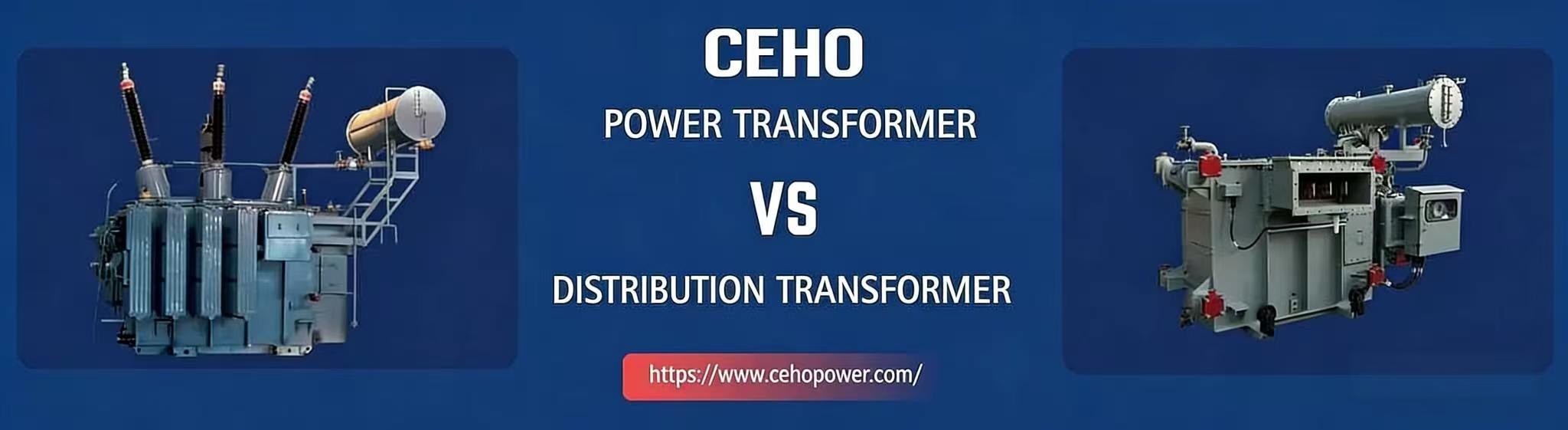
Difference Between Power Transformer and Distribution Transformer
Transformers are the backbone of every modern power grid. They regulate voltage levels according to demand, whether for interstate transmission or powering nearby homes. Without transformers, modern power systems would be inefficient, unsafe, and unreliable. From renewable energy grids in India to urban utilities in the United States, selecting the right transformer plays a critical role in ensuring reliable power delivery.
Within the power grid, there are two main categories of transformers: power transformers and distribution transformers. Global energy demand continues to rise. Understanding the differences between these two types is crucial for utility companies, EPC firms, industrial users, and infrastructure developers.
 01 2026-04
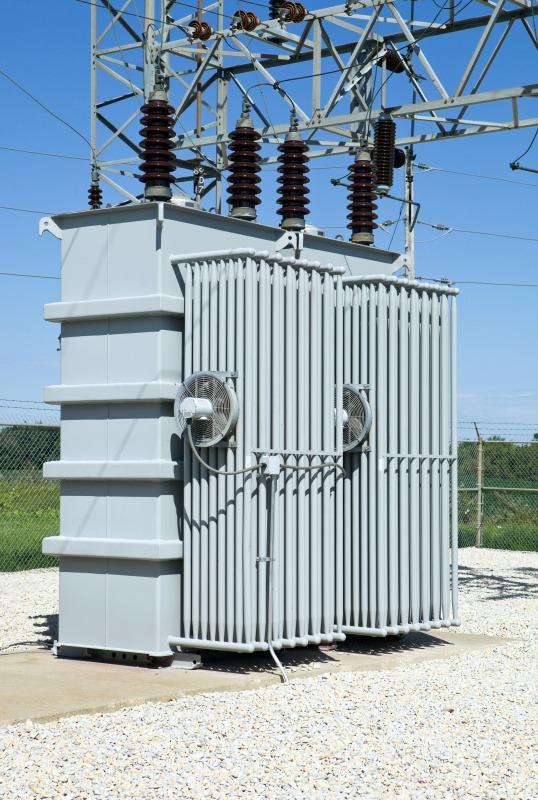
What Is a Power Transformer
A power transformer is a stationary electrical device designed to convert an AC voltage (or current) of a certain magnitude into one or more AC voltages (or currents) of different magnitudes but the same frequency. When an AC current flows through the primary winding, it generates an alternating magnetic flux. This alternating magnetic flux, through the magnetic conductivity of the core, induces an AC electromotive force in the secondary winding
Why Your Electricity Bills Are Still High: The Hidden Costs of Outdated Power Infrastructure
Many factories and commercial buildings struggle with high electricity costs because their electrical systems are outdated. Aging transformers, inefficient power distribution equipment, and the absence of real-time monitoring create hidden costs. This article explores how upgrading to modern power equipment like smart meters and efficient transformers can significantly reduce electricity bills.