English
- English
- Español
- Português
- русский
- Français
- 日本語
- Deutsch
- tiếng Việt
- Italiano
- Nederlands
- ภาษาไทย
- Polski
- 한국어
- Svenska
- magyar
- Malay
- বাংলা ভাষার
- Dansk
- Suomi
- हिन्दी
- Pilipino
- Türkçe
- Gaeilge
- العربية
- Indonesia
- Norsk
- تمل
- český
- ελληνικά
- український
- Javanese
- فارسی
- தமிழ்
- తెలుగు
- नेपाली
- Burmese
- български
- ລາວ
- Latine
- Қазақша
- Euskal
- Azərbaycan
- Slovenský jazyk
- Македонски
- Lietuvos
- Eesti Keel
- Română
- Slovenski
- मराठी
- Srpski језик

What ia A Box-Type Substation?
What ia A Box-Type Substation?
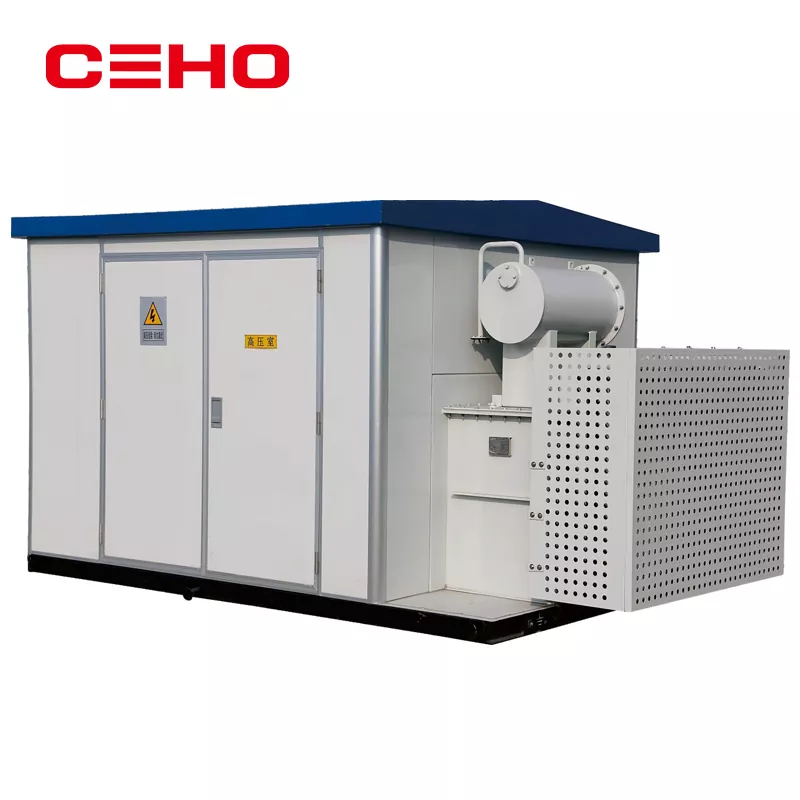
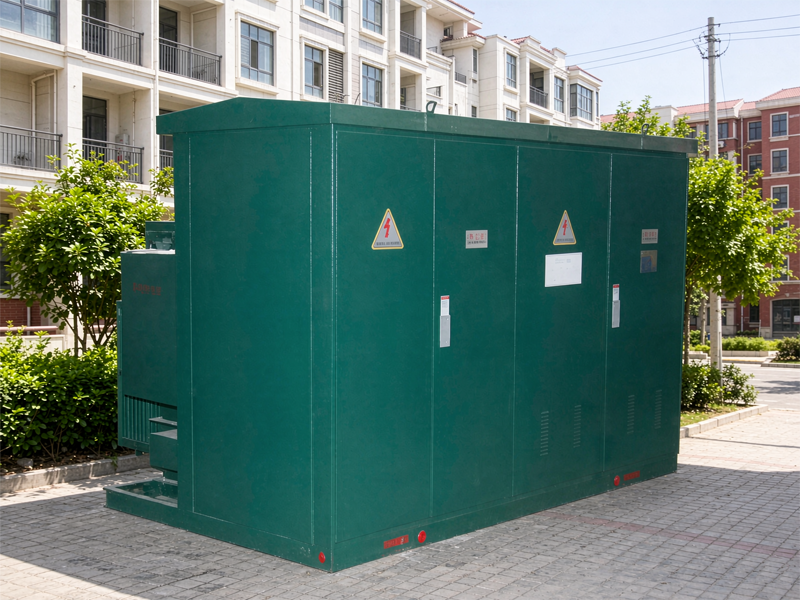
A Box-Type Substation also known as a prefabricatedor compact substation, is a factory-assembled, enclosed unit that integrates all the essential components of a traditional electrical substation into a single, weatherproof metal housing. It is designed for medium-voltage (MV) to low-voltage (LV) power transformation and distribution.
Think of it as a "plug-and-play" power distribution station that replaces large, brick-and-mortar substation buildings.
Components of a box-type substation
A box-type substation is designed with three main compartments: high-voltage switchgear, a transformer, and low-voltage distribution equipment. Each compartment plays a critical role in ensuring efficient power conversion and distribution.
High-Voltage Switchgear
Typically operates at a rated voltage of 10 kV or 35 kV.
Features domestically manufactured or imported ring main units and vacuum circuit breakers.
Equipped with current-limiting fuses to enhance safety.
Transformers
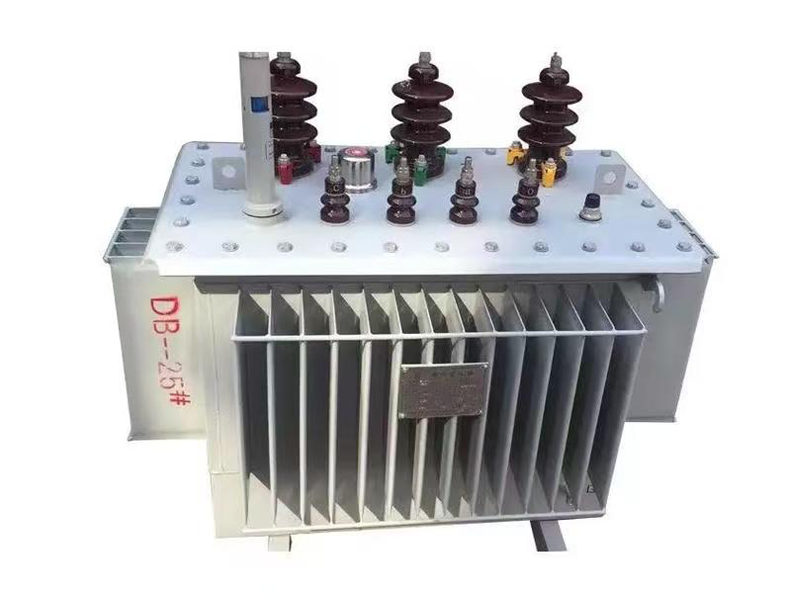
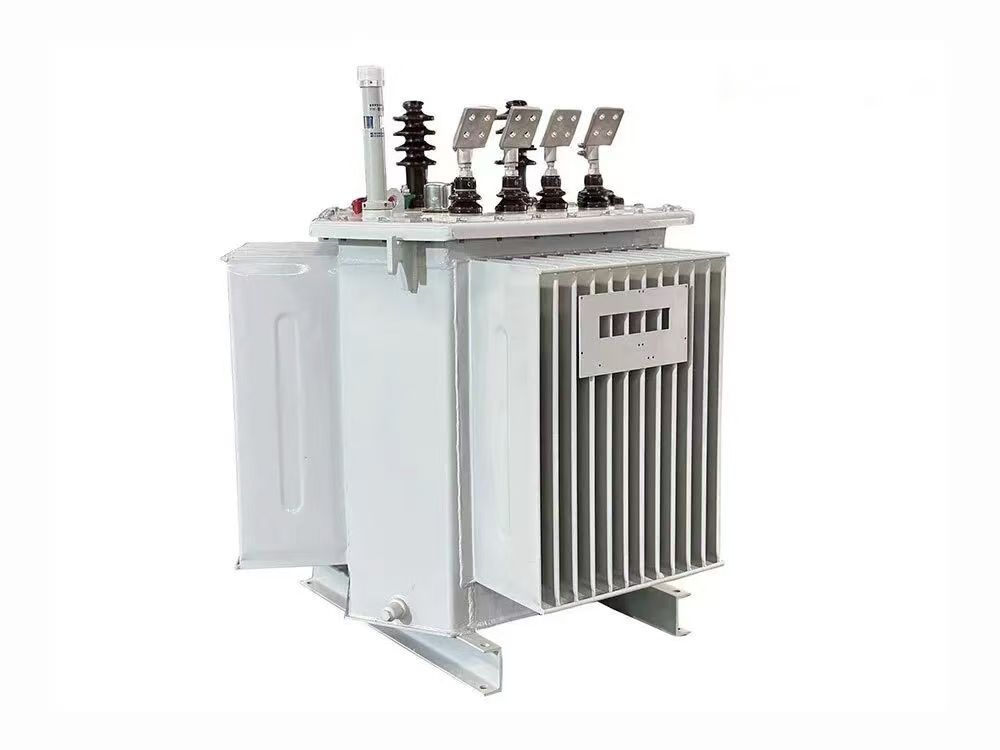
Available in both oil-immersed and dry-type configurations.
Capable of accommodating transformers up to 1600 kVA.
Features a protective enclosure made of insulating or metallic materials.
Low-Voltage Distribution Equipment
Includes power distribution panels, lighting panels, metering panels, and reactive power compensation panels.
Equipped with automatic temperature and condensation control systems.
Helps achieve efficient power delivery to the user end.
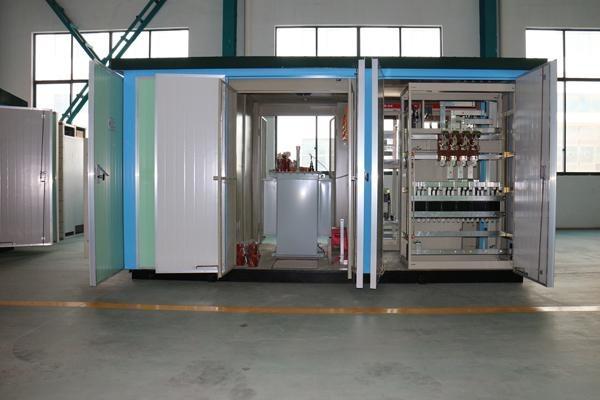
Features of Container-Type Substations
(1) Advanced technology, safe, and reliable; (2) High degree of automation; (3) Factory prefabrication; (4) Flexible configuration options; (5) Cost-effective with rapid results; (6) Compact footprint; (7) Aesthetically pleasing design that blends well with the surroundings.
Classification of Box-Type Substations
1) Modular type. High- and low-voltage switchgear and the transformer are housed within a metal enclosure, with an operational aisle reserved within the high- and low-voltage distribution equipment. This type of container-type substation is relatively large in size and is rarely used today.
(2) Integrated unit type. Instead of using existing complete sets of equipment, high- and low-voltage control and protection devices are installed directly inside the enclosure to form a single unit. Designed for maintenance-free operation, these enclosures lack an operating aisle and are compact; they are also known as European-style or standard-type box-type substations.
(3) Integrated Type. This design simplifies the high-voltage control and protection devices by housing both the high- and low-voltage distribution equipment and the main body of the transformer together within the transformer oil tank, forming a single unit. It is even more compact, with a volume comparable to that of an oil-immersed transformer of the same capacity—approximately one-third the size of a European-style box-type substation. It is also known as an American-style box-type substation or a compact-type box-type substation.
Types and Models of box-type substations
box-type substations are available in a variety of models and configurations to meet different operational needs. Each model is carefully designed to offer specific advantages and address users’ unique requirements.
Common Models
High-Voltage Switchgear Models
Dry-Type Transformer Cabinet Models
Low-Voltage Switchgear Models
Global Standard Models
European Style: Larger in size with centralized components.
American Style: Offers better cooling performance but is larger in size.
Integrated: Smaller footprint, but offers advantages similar to the American style.
Operation and Maintenance Guidelines
Effective operation and maintenance strategies are critical to the lifespan and reliability of box-type substations. Regular inspection and maintenance activities prevent unexpected failures and ensure uninterrupted power supply.
Basic Operational Requirements
Install on an elevated platform to prevent water ingress.
Ensure a reliable connection to the grounding grid to ensure safety.
Keep the area around the substation clean and free of debris.
Regular Inspections and Maintenance
Regularly inspect high-voltage equipment and transformers.
Conduct insulation tests to ensure safe operation.
Maintain the cooling system to prevent overheating.
Challenges and Considerations
While box-type substations offer numerous advantages, there are also challenges that require careful consideration. These challenges cover various aspects, including environmental impact and operational limitations.
Environmental and Safety Considerations
Risk of overheating and the need for adequate ventilation.
Potential environmental impacts from improper disposal of materials.
Security measures to prevent unauthorized access.
Operational Limitations
Capacity limitations of certain transformer models.
The need for ongoing maintenance to avoid operational issues.
Challenges related to integration with existing systems.
Conclusion
A box-type substation is a factory-assembled enclosed metal unit for MV-LV power transformation and distribution, integrating core components (high-voltage switchgear, transformer, low-voltage equipment) as a "plug-and-play" alternative to traditional substations.
It features advanced technology, flexible configuration, compact size and cost-effectiveness, with three main types (modular, European-style, American-style) and various models to meet different needs. Proper operation and maintenance are essential to address challenges like overheating and integration issues.
CEHO Electric excels with its core advantage of flexible customization, offering tailored solutions (voltage, capacity, application scenarios) covering all standard models. It uses high-quality core components and strictly controlled transformers for stability, plus intelligent low-voltage control. With standardized prefabrication, user-friendly maintenance and professional after-sales service, it provides efficient, safe and cost-effective power solutions.
If you have any related needs, please visit our website for more information or consult our professional team directly. Remember, choosing CEHO means choosing reliability and innovation!
Box-Type Substation (Prefabricated/Compact Substation) FAQS
Basic Information
Q1: What is a box-type substation?
A: A box-type substation, also called a prefabricated or compact substation, is a factory-assembled, enclosed unit that integrates all essential components of a traditional electrical substation into a single, weatherproof metal housing. It is used for medium-voltage (MV) to low-voltage (LV) power transformation and distribution, acting as a "plug-and-play" alternative to large brick-and-mortar substation buildings.
Q2: What are the main components of a box-type substation?
A: It consists of three main compartments, each with a critical role in power conversion and distribution:
High-voltage switchgear: Usually operates at 10 kV or 35 kV, equipped with ring main units, vacuum circuit breakers, and current-limiting fuses.
Transformers: Available in oil-immersed and dry-type configurations, capable of up to 1600 kVA, with a protective insulating or metallic enclosure.
Low-voltage distribution equipment: Includes power distribution panels, lighting panels, metering panels, reactive power compensation panels, and automatic temperature/condensation control systems.
Features
Q3: What are the key features of box-type substations?
A: The main features are: (1) Advanced technology, safe and reliable; (2) High degree of automation; (3) Factory prefabrication; (4) Flexible configuration options; (5) Cost-effective with rapid results; (6) Compact footprint; (7) Aesthetically pleasing design that blends with the surroundings.
Classification & Models
Q4: What are the main classifications of box-type substations?
A: There are three main types:
Modular type: High- and low-voltage switchgear and transformer are in a metal enclosure with an operational aisle; relatively large and rarely used now.
Integrated unit type: High- and low-voltage control/protection devices are directly installed in the enclosure (no operational aisle), maintenance-free, compact; also called European-style or standard-type.
Integrated Type: High- and low-voltage distribution equipment and transformer main body are housed in the transformer oil tank, more compact (about 1/3 the size of European-style); also called American-style or compact-type.
Q5: What models of box-type substations are available?
A: There are various models to meet different needs, including: High-Voltage Switchgear Models, Dry-Type Transformer Cabinet Models, Low-Voltage Switchgear Models, Global Standard Models (European Style: larger with centralized components; American Style: better cooling but larger; Integrated: smaller footprint with American-style advantages).
Operation & Maintenance
Q6: What are the basic operational requirements for box-type substations?
A: The basic requirements are: (1) Install on an elevated platform to prevent water ingress; (2) Ensure reliable connection to the grounding grid for safety; (3) Keep the area around the substation clean and free of debris.
Q7: What regular inspections and maintenance are needed for box-type substations?
A: Regular maintenance includes: (1) Inspecting high-voltage equipment and transformers; (2) Conducting insulation tests to ensure safe operation; (3) Maintaining the cooling system to prevent overheating.
Challenges & Considerations
Q8: What environmental and safety considerations should be noted for box-type substations?
A: Key considerations are: (1) Risk of overheating, requiring adequate ventilation; (2) Potential environmental impacts from improper material disposal; (3) Security measures to prevent unauthorized access.
Q9: What operational limitations do box-type substations have?
A: The main limitations are: (1) Capacity limitations of certain transformer models; (2) Need for ongoing maintenance to avoid operational issues; (3) Challenges in integrating with existing systems.
Related News
- Start by Choosing the Right JXF
- SG(B)10-10KV environmentally friendly dry-type transformer: How to deliver safe and green answers under non-encapsulated structure?
- What are the hazards of transformer overload operation? How to carry out real-time load monitoring?
- How can oil immersed transformers achieve future green development in the context of "dual carbon"?
- What does the internal structure of a dry-type transformer look like when disassembled?
- How to choose between power cabinet and lighting distribution box?
Leave me a message