
English
- English
- Español
- Português
- русский
- Français
- 日本語
- Deutsch
- tiếng Việt
- Italiano
- Nederlands
- ภาษาไทย
- Polski
- 한국어
- Svenska
- magyar
- Malay
- বাংলা ভাষার
- Dansk
- Suomi
- हिन्दी
- Pilipino
- Türkçe
- Gaeilge
- العربية
- Indonesia
- Norsk
- تمل
- český
- ελληνικά
- український
- Javanese
- فارسی
- தமிழ்
- తెలుగు
- नेपाली
- Burmese
- български
- ລາວ
- Latine
- Қазақша
- Euskal
- Azərbaycan
- Slovenský jazyk
- Македонски
- Lietuvos
- Eesti Keel
- Română
- Slovenski
- मराठी
- Srpski језик

News
We are glad to share with you about the results of our work, company news, and give you timely developments and personnel appointment and removal conditions.
 26 2026-05
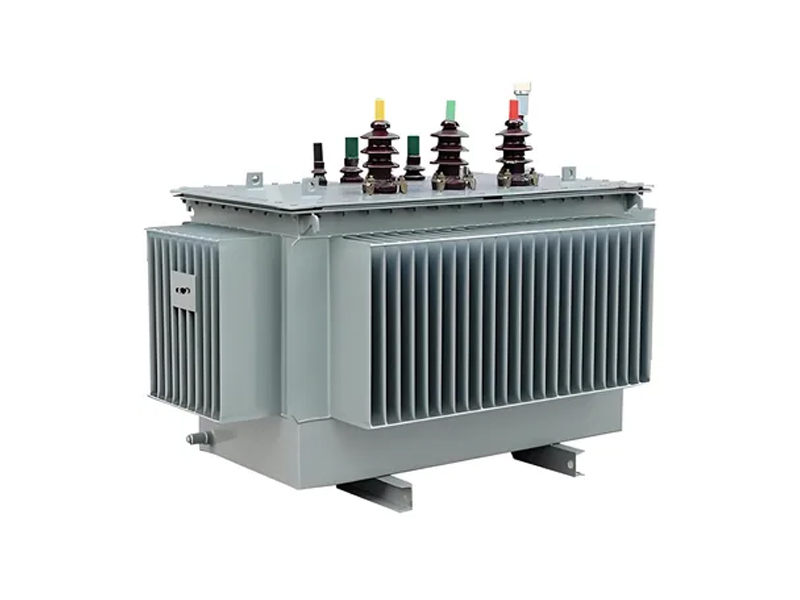
Which one has longer life, dry type transformer or oil immersed transformer?
In the selection and asset management of power equipment, the life expectancy of transformers is a crucial consideration. Regarding the question "Which life span is longer, dry-type transformer or oil-immersed transformer?", the conclusion is very clear: under the same normal maintenance conditions, the expected service life of oil-immersed transformer is generally longer than that of dry-type transformer.
Judging from industry standards and actual operation data, the typical design life of dry-type transformers is usually 20 to 25 years, and rarely exceeds 30 years in actual operation; while the design life of oil-immersed transformers is generally 25 to 30 years. If maintained properly, its actual service life can often easily exceed 40 years, or even reach 50 years.
The core reason for this life difference is mainly due to the fundamental differences between the two in insulating medium characteristics, heat dissipation mechanism and maintenance reversibility.
 23 2026-05
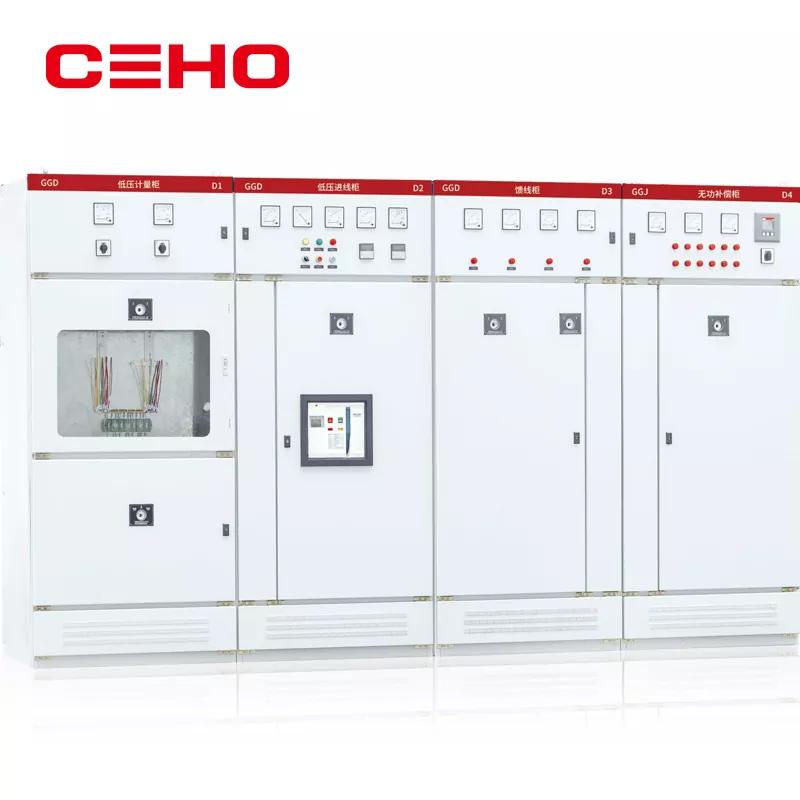
What Are the Core Technologies and Practical Applications of GGD Fixed Low-Voltage Switchgear?
The GGD AC low-voltage distribution cabinet is a standard indoor fixed AC low-voltage complete switchgear designed and manufactured in accordance with national standards for low-voltage complete switchgear. It is applicable to power-frequency low-voltage distribution systems, adopting a fully enclosed floor-standing cabinet and fixed electrical installation structure. It is mainly used for low-voltage power distribution, electric energy metering, line protection, reactive power compensation and circuit control. It is the most mature and widely applied standardized basic low-voltage power distribution device in the fields of industrial production, building construction, municipal supporting and new energy power distribution in China.
 22 2026-05
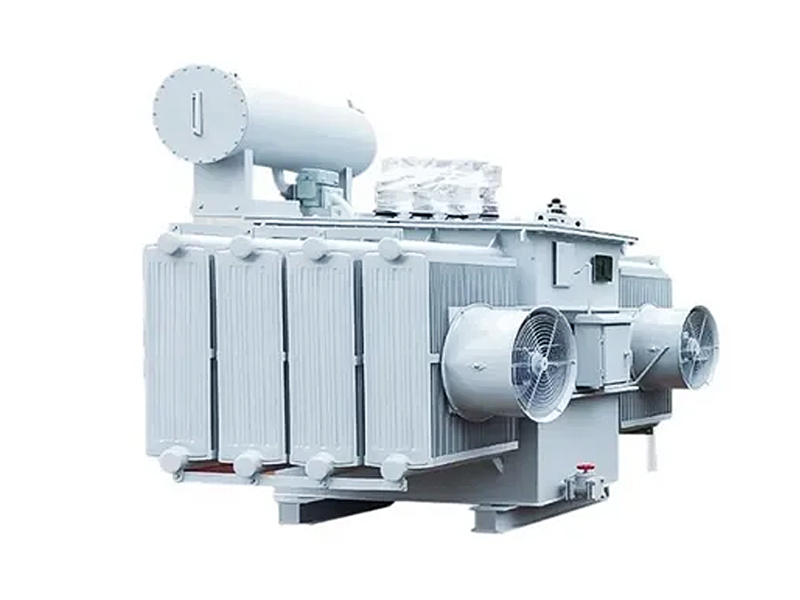
Construction of active protection system for power transformers: from passive response to active blocking
Active protection and safe operation of power transformers are inevitable requirements for the development of modern power grids. By introducing advanced monitoring technology, intelligent diagnosis methods and adaptive protection strategies, faults can be effectively prevented, equipment lifespan extended, and the power system can be operated safely, reliably and efficiently. Electric power companies should increase technological investment and promote the transformation of transformer operation and maintenance into active and intelligent operations, laying a solid foundation for building a new power system.
 19 2026-05
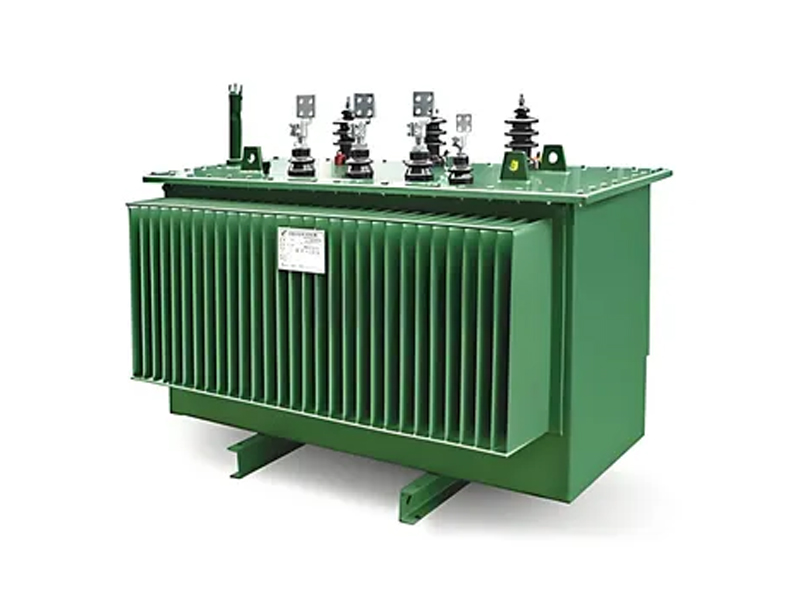
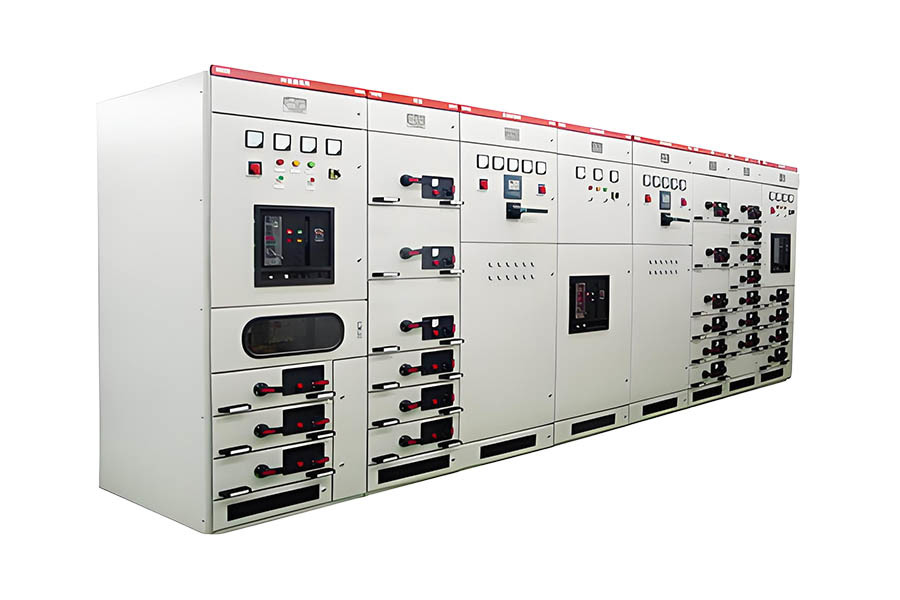
The Three Steps of Transformer Manufacturing: The Story Behind Winding, Assembly, and Testing
In our daily lives, electricity is as indispensable as air and water. The transformer, this seemingly bulky "iron lump", is the "heart" of the stable operation of the power system. How does it transform from a pile of metal and insulation materials into a reliable device that protects the security of the power grid? Today, let us walk into the transformer production workshop and uncover the precise story behind the three steps of "winding, installation and testing".
 18 2026-05
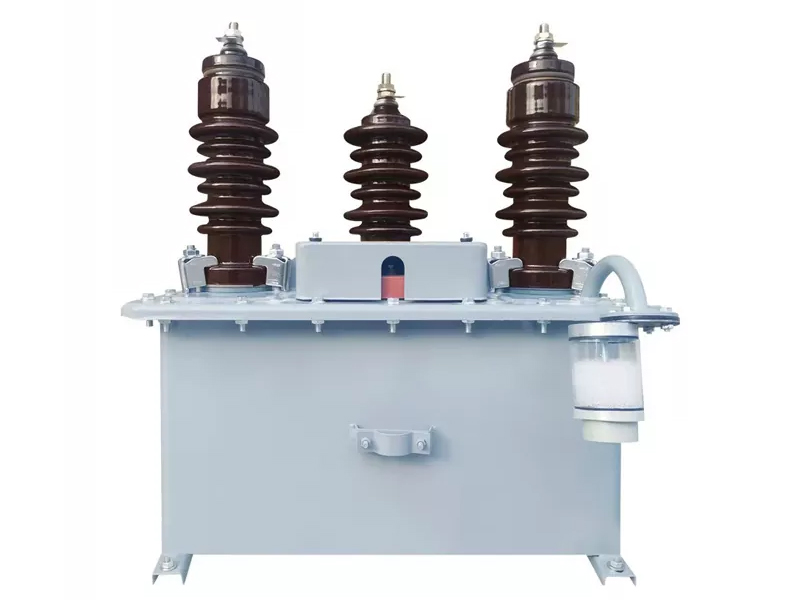
What is Low-Voltage Complete Set Equipment?
The design, production and operation of such equipment must strictly comply with the GB/T 7251 series of national standards, and must pass the China Compulsory Product Certification (CCC). At present, low-voltage complete set equipment is upgrading towards intelligence and digitalization. The international standard Additional Requirements for Intelligent Complete Set Equipment (IEC TS 63290), led and formulated by China, has been officially released, providing an international basis for industrial development. The new generation of intelligent equipment is generally equipped with digital gateways and wireless sensors, which can realize real-time monitoring of operating status, predictive maintenance of faults and remote control. For example, ABB MNS® 3.0 Digital low-voltage switchgear and the domestic Class 1E low-voltage complete set switchgear for Hualong One are typical representatives in the industry.
 16 2026-05
Do you know how a transformer works? From electromagnetic induction to high-efficiency conversion
As a key equipment in the power system, transformers play an irreplaceable role in voltage conversion, power transmission and distribution, and their stable operation is crucial to the reliability of the power system. The working principle of the transformer is based on electromagnetic induction, and the voltage conversion between the primary and secondary coils is achieved through Faraday's law of electromagnetic induction and Lenz's law. In terms of efficiency conversion, copper loss and iron loss are the main factors affecting transformer efficiency, and their occurrence is closely related to winding resistance, core material characteristics and load conditions.