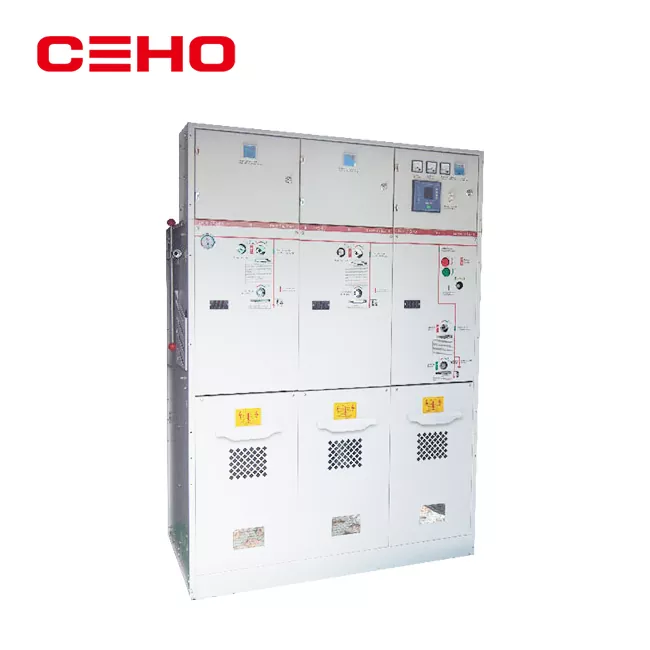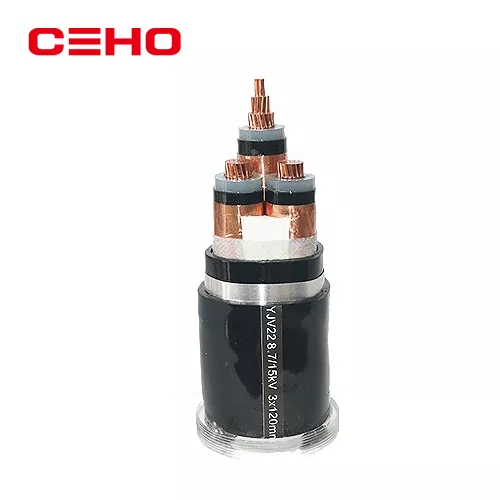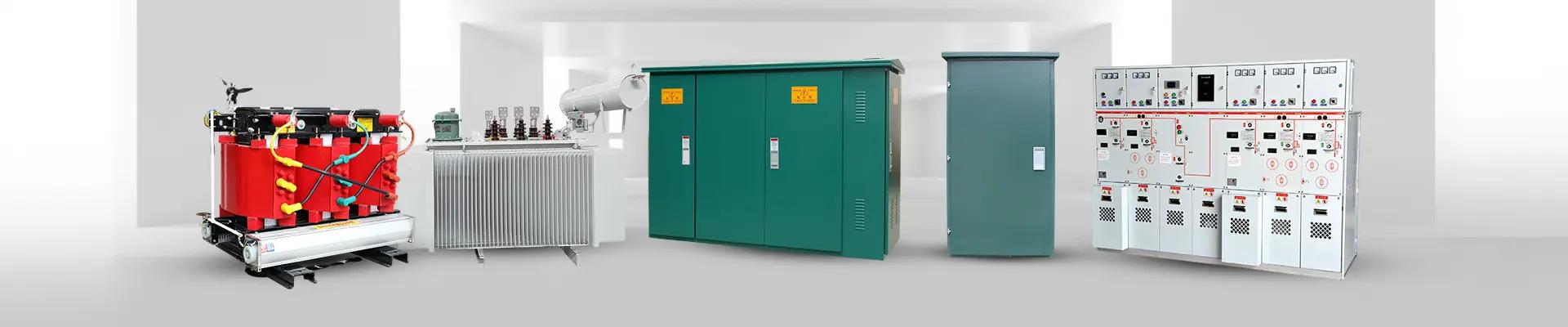
In the power system, transformers are regarded as the "heart" and are indispensable key equipment. Among them, dry-type transformers and oil-immersed transformers are the two most common types. Its service life is directly related to the stability and return on investment of the power supply system. Many users will be concerned about one question when choosing a transformer: Which one has a longer life, dry-type transformer or oil-immersed transformer?
The answer is: Under normal design and operation and maintenance conditions, the theoretical life of oil-immersed transformers is usually longer than that of dry-type transformers. But this is not absolute. The actual life span depends on the insulation system, heat dissipation method, operating environment and maintenance level.
Next, the life characteristics of these two transformers will be analyzed in detail from the aspects of design principles, working environment, maintenance requirements, etc.
I. Differences in working principle and structure
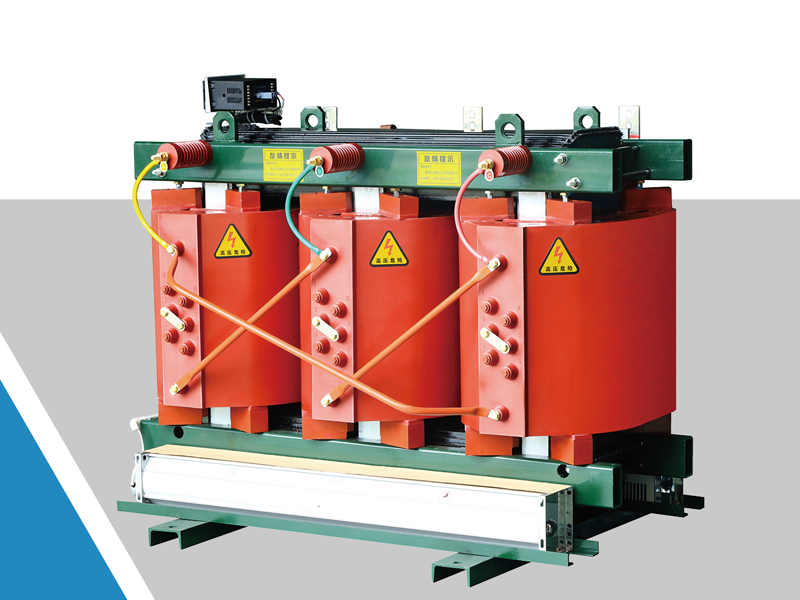
• Dry-type transformer: relies on air or solid insulating materials (such as epoxy resin) for insulation and heat dissipation. It does not contain flammable liquids. It is usually used indoors or in places with high fire protection requirements.
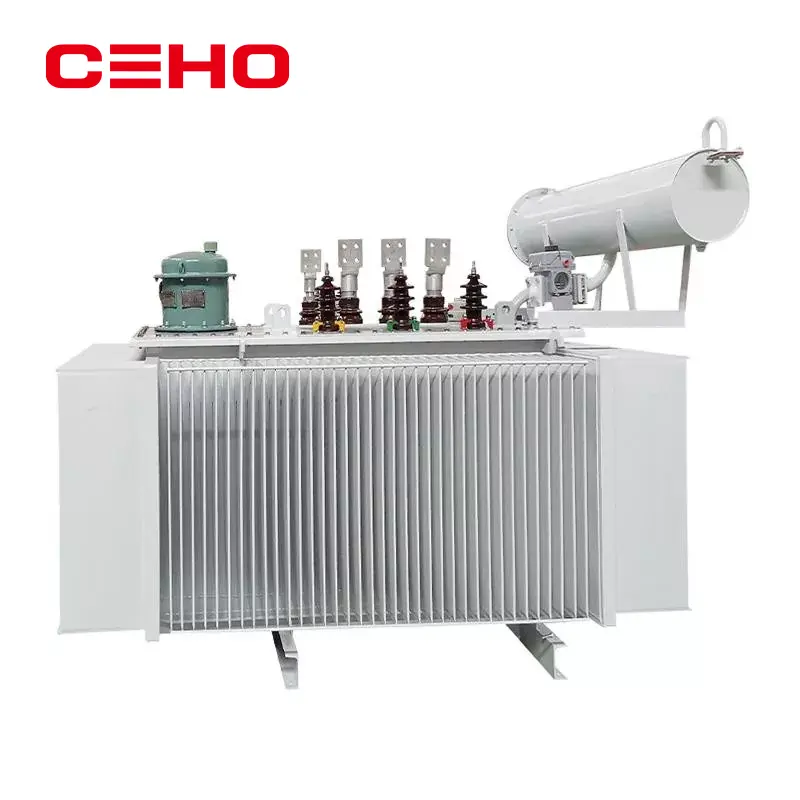
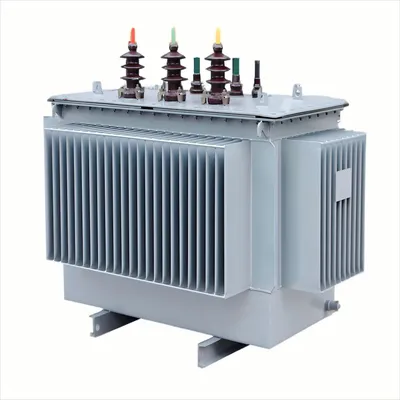
• Oil-immersed transformer: Using insulating oil (such as mineral oil) as the insulation and cooling medium, it has high heat dissipation efficiency, but there is a risk of oil leakage and flammability. It is mostly used outdoors or in large substations.
II. Analysis of factors affecting lifespan
(1) Insulation aging
• Dry-type transformer: Insulating materials (such as epoxy resin. Once epoxy resin develops micro-cracks due to thermal expansion and contraction, the insulation performance is difficult to recover after moisture enters), it is easy to age when exposed to heat, moisture or pollution for a long time, and its life span is greatly affected by ambient temperature and humidity.
• Oil-immersed transformer:
Insulating paper has been soaked in oil for a long time and has strong moisture-proof and oxidation-proof capabilities. Insulating oil will gradually deteriorate under the action of high temperature and oxygen, but aging can be delayed by regular filtration or oil changes.
(2) Heat dissipation and temperature rise
• Dry-type transformer: relies on natural air cooling or fan forced air cooling, and the heat dissipation efficiency is much lower than oil cooling. The heat dissipation capacity is poor, and long-term overload operation can easily lead to overheating of the insulation and shorten the service life.
• Oil-immersed transformer: Relying on mineral oil or synthetic ester insulating oil to circulate heat dissipation with high efficiency, thermal conductivity much higher than air, strong ability to withstand short-term overload, and good temperature rise control.
(3) Environmental adaptability
• Dry-type transformer: Afraid of moisture and dust, suitable for clean and dry indoor environments.
• Oil-immersed transformer: has a high level of protection and can adapt to outdoor humid and polluted environments, but oil leakage may pollute the environment.
III. Typical life comparison
• Dry-type transformer: In an ideal environment (controlled temperature and humidity, no overload), the design life is generally 20-30 years. Actual life is significantly affected by maintenance levels.
• Oil-immersed transformer: Typical design life can usually reach 20 to 30 years, and under standard operation and maintenance, it can reach 30 to 40 years, or even longer. Many oil-immersed transformers that have been in operation for more than 50 years are still in use, but require regular maintenance (such as oil testing, seal inspection).
IV. Maintenance and Cost
• Dry-type transformers: Maintenance is simple and there is no need to handle insulating oil, but it is important that the insulators are clean and protected from moisture. After the insulation is seriously aged, it often can only be replaced as a whole.
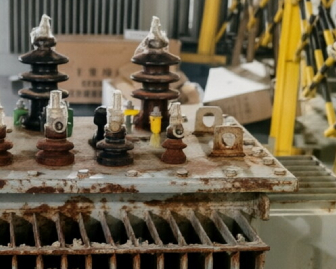
• Oil-immersed transformer: The oil quality, sealing and bushing conditions need to be monitored regularly, and the maintenance cost is high, but good maintenance can greatly extend the life. It is not uncommon for old oil-immersed substations to continue operating for 10 to 15 years after technical transformation.
V. Key variables affecting actual lifespan
In addition to structural differences, under the same conditions, the life of oil-immersed transformers is usually longer than that of dry-type transformers. This is because the heat dissipation and insulation stability of insulating oil are better than those of solid materials, and the oil-immersed structure is not sensitive to environmental influences. However, actual lifespan depends on a variety of factors:
1. Load rate and overload conditions
Long-term operation exceeding 80% to 90% of the rated capacity will significantly shorten the life of both transformers.
2. Operating environmental conditions
• Oil immersion deterioration: Underground moist and chemically corrosive environments will accelerate the aging of seals and the deterioration of oil quality.
• Dry transformer: Dust, salt spray, and high humidity environments can easily lead to surface creepage and insulation degradation.
3. Maintenance level
• Oil immersion changes: Regular oil testing, seal inspections, and cooling system maintenance are key.
• Dry type transformer: The focus is on cleaning and dust removal, temperature control fan maintenance, and environmental ventilation.
VI. How to choose?
When selecting a transformer, life is only one of the factors and must also be considered comprehensively:
Choose oil-immersed type, which is more suitable for:
• Scenarios that require long-term continuous operation, heavy load, and outdoor installation;
• Projects that require a long investment return period (>20 years);
• Users who have a professional operation and maintenance team and can accept regular maintenance.
Choose dry type changer, which is more suitable for:
• High fire protection requirements, installed indoors or in densely populated areas;
• Want maintenance-free, low fire risk, environmentally friendly and oil-free;
• The load is relatively stable and does not operate under extreme overload.
VII. Conclusion
In summary, oil-immersed transformers last longer under ideal maintenance, but dry-type transformers can also provide long-term stability in specific environments. Users should make choices based on actual needs, environmental conditions and maintenance capabilities, and insist on regular inspection and maintenance to truly extend the service life of the transformer. In actual projects, instead of simply comparing the life span, it is better to focus on: whether the model is selected according to the actual working conditions + whether a standardized operation and maintenance system is established.
This is why more and more projects will conduct transformer life cycle assessment (LCA) in the early stage, rather than just looking at the initial price.