The short answer
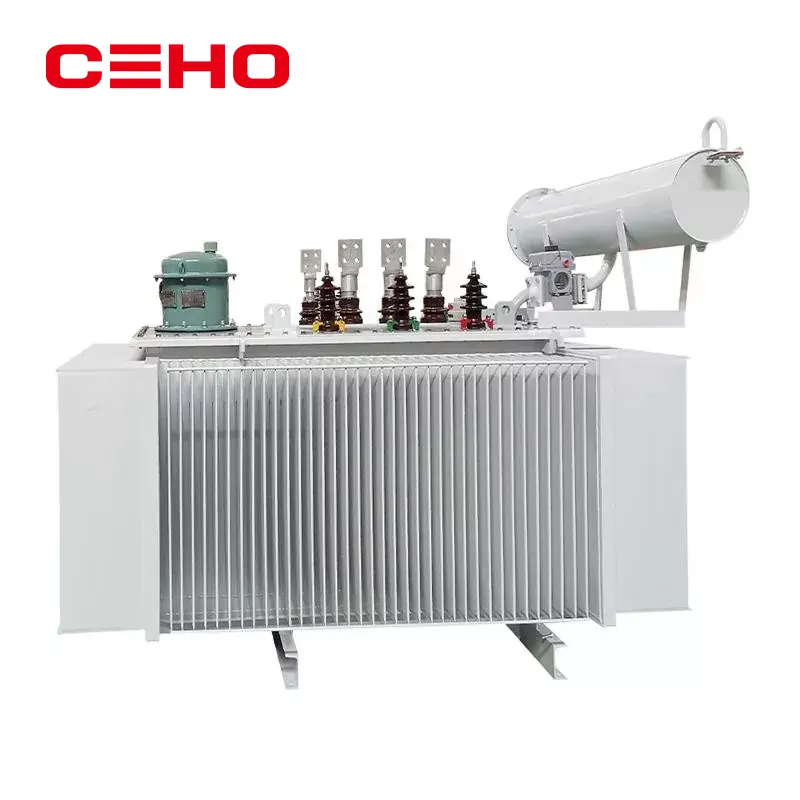
Copper windings are the mainstream choice for the majority of medium-to-high power, oil-immersed and dry-type transformers where reliability, efficiency and long service life matter.
Aluminum windings mainly appear in smaller, cost-sensitive or weight-critical equipment — small distribution transformers, toroidal and electronic transformers, lighting transformers, and some transformers used in new-energy vehicles.
Rule of thumb: choose copper when you need performance and reliability; choose aluminum when budget and weight are the priority — and only from a supplier that handles the connections properly.
I. Why the winding material matters so much
The windings (coils) are the core current-carrying components of a transformer. They directly determine:
So the winding material is not "anything that conducts will do". It is a core factor that defines efficiency, temperature rise, size, weight, reliability and cost.
II. Comparison of Copper Windings vs. Aluminum Windings
| Item | Copper windings | Aluminum windings |
|---|---|---|
| Electrical conductivity | High (approx. 58 MS/m, low resistivity) | About 61% of copper (higher resistance at same cross-section) |
| Required conductor size | Smaller cross-section, compact design | Cross-section must be ~1.6× larger for equivalent performance |
| Load losses (copper loss) | Low, high efficiency | Higher, slightly lower efficiency |
| Mechanical strength | High, strong short-circuit withstand | Softer, weaker; requires additional bracing |
| Weight | Heavier (density 8.9) | Light (density 2.7, about 1/3 of copper) |
| Material cost | High (copper is expensive) | Low (aluminum is roughly 1/3–1/4 of copper price) |
| Joint / termination | Mature, reliable soldering & crimping | Oxidises easily; needs special treatment (bi-metallic terminals, ultrasonic welding) |
| Thermal stability / life | Excellent long-term stability | Riskier if joints are poorly handled |
III. Is aluminum always a compromise?
Aluminum windings are not automatically "cutting corners". They have legitimate applications:
What you really need to watch out for
The real risk in the market is "aluminum passed off as copper" — a unit declared as all-copper but actually built with aluminum or copper-clad aluminum wire. Such products typically carry these risks:
IV. How to identify copper vs aluminum windings
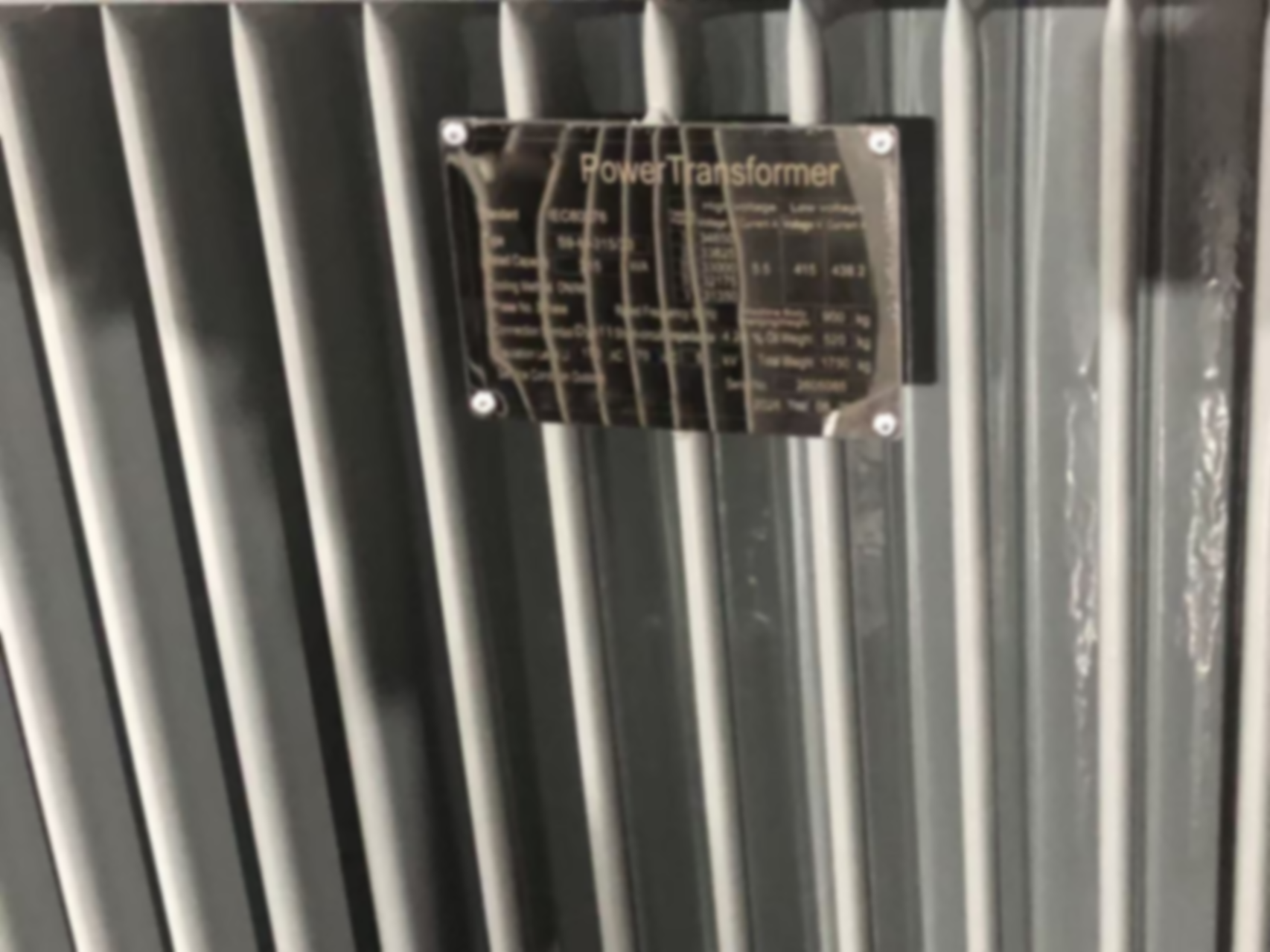
1. Read the nameplate and datasheet (indirect)
2. Check the price
For the same rating, model and brand, a quotation that is significantly below market average almost certainly cuts cost on the winding material. Copper prices are transparent — there is little room to save.
3. Inspect the leads and terminals (visual)
4. Professional methods
Safety note: do not disassemble an energised or important transformer yourself. During procurement, write the winding material (e.g. "oxygen-free copper" or "aluminum") into the contract and reserve the right to third-party inspection.
V. Which one should you choose?
Choose copper when…
Rating ≥ 500 kVA (oil-immersed or dry-type).
Ultra-high reliability is required — data centres, hospitals, semiconductor plants, telecom.
Long-term full-load or high load-factor operation.
High short-circuit current / high system fault level.
Budget allows, and you target low losses and high efficiency (e.g. IE3 / premium efficiency).
Aluminum can be considered when…
Small rating (≤ 100 kVA) with low load factor.
Strict weight limits (vehicle, mobile, aerospace).
Tight budget, and the supplier guarantees proper joint工艺 and cooling design.
The contract clearly specifies material, process standards and third-party testing.
VI. Summary
Copper windings win on overall performance and are the first choice for medium-to-large, high-reliability transformers. Aluminum windings win on weight and cost, and suit small, weight-critical or budget-driven projects. Whichever you choose, the biggest danger is "aluminum disguised as copper" — putting the material into the contract and verifying it through inspection matters more than anything else.