English
- English
- Español
- Português
- русский
- Français
- 日本語
- Deutsch
- tiếng Việt
- Italiano
- Nederlands
- ภาษาไทย
- Polski
- 한국어
- Svenska
- magyar
- Malay
- বাংলা ভাষার
- Dansk
- Suomi
- हिन्दी
- Pilipino
- Türkçe
- Gaeilge
- العربية
- Indonesia
- Norsk
- تمل
- český
- ελληνικά
- український
- Javanese
- فارسی
- தமிழ்
- తెలుగు
- नेपाली
- Burmese
- български
- ລາວ
- Latine
- Қазақша
- Euskal
- Azərbaycan
- Slovenský jazyk
- Македонски
- Lietuvos
- Eesti Keel
- Română
- Slovenski
- मराठी
- Srpski језик

How to Effectively Troubleshoot Common Faults of High-Voltage Switchgear for Safe Operation and Maintenance?
How to Effectively Troubleshoot Common Faults of High-Voltage Switchgear for Safe Operation and Maintenance?
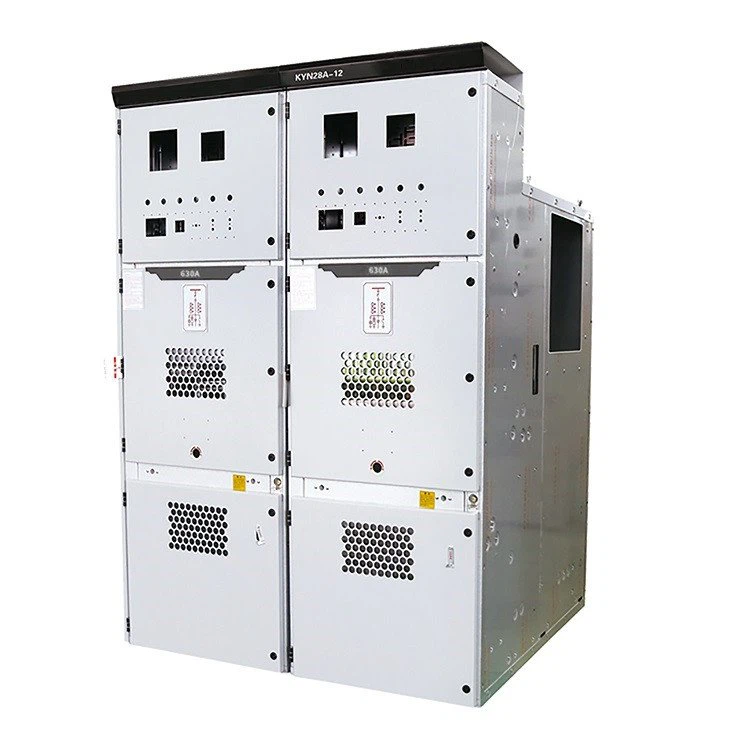
As a core equipment in the power system for receiving, distributing electrical energy, controlling and protecting high-voltage equipment, high-voltage switchgear is widely used in industrial production, power distribution, building power supply and other fields. Its safe and stable operation is directly related to the reliability of the power system and the safety of personnel and equipment. Combining on-site operation and maintenance practice, this article details common faults, root causes and scientific troubleshooting methods of high-voltage switchgear to provide comprehensive reference for operators.
I. Core Fault Types, Causes and Troubleshooting Methods
Faults of high-voltage switchgear are mainly concentrated in core components such as circuit breakers, handcart mechanisms, insulation systems and secondary circuits. Different faults have different manifestations, causes and troubleshooting methods, which need targeted investigation and standardized handling.
(1) Core Faults of Circuit Breaker: Refusal to Close, Refusal to Open and False Trip
As the "core switch" of high-voltage switchgear, circuit breaker faults directly affect power supply continuity. Common faults include refusal to close, refusal to open and automatic trip after closing.
——Refusal to Close: No action of the mechanism after pressing the closing button, unable to supply power normally. Root causes include mechanical factors (insufficient energy storage, energy storage motor failure, chain slip, poor lubrication, rust, foreign body jamming), electrical interlock factors (earthing switch not opened, handcart not in place, cabinet door not closed, five-prevention interlock locked), electrical factors (low control power voltage, air switch tripping, fuse blowing, closing coil burnout, loose wiring) and protection locking factors (comprehensive protection device fault locking, wrong remote/local mode setting).
Troubleshooting:
1. Follow the principle of "check energy storage first, confirm interlock second, and investigate electrical issues last". Check energy storage indication first; if insufficient, inspect the energy storage motor and chain, clean up jammed debris and lubricate.
2. Confirm the earthing switch is open, handcart is in place and cabinet door is closed to unlock the five-prevention interlock.
3. Check control power, fuse and closing coil, replace damaged coil, fasten wiring and adjust the protection device mode to ensure the closing circuit is smooth.
——Refusal to Open: Failure to open by protection action or manual operation, which is a high-risk fault prone to equipment overload and short circuit. Main causes include opening coil burnout, loose wiring, control power failure, stuck, rusted or deformed mechanism release, handcart not in place, interlock locked, and protection device not outputting trip signal.
Troubleshooting:
1. Check opening power, coil and wiring first, replace damaged coil and fasten wiring.
2. Try manual emergency opening, disassemble the mechanism release part, clean up rusted and jammed debris and lubricate.
3. Confirm handcart position and unlock the interlock mechanism.
4. Investigate the protection device to ensure it outputs trip signal normally to avoid fault expansion.
——Automatic Trip After Closing: Instant or short-term automatic trip after closing, affecting power supply stability. Main causes include closing contactor adhesion, false action due to too small protection setting value, invalid mechanism buffer, abnormal spring pressure, loose secondary wiring, electromagnetic interference and poor grounding.
Troubleshooting:
1. Disconnect control power first and check the closing contactor; replace it immediately if adhered.
2. Re-calibrate the protection setting value to meet the operation requirements.
3. Overhaul the mechanism buffer parts and correct the spring pressure.
4. Fasten secondary wiring and do a good job in shielding and grounding to eliminate electromagnetic interference and ensure stable operation after closing.
(2) Handcart and Moving Mechanism Faults: Jamming and Positioning Failure
As a movable component, the smoothness and positioning accuracy of the handcart are crucial for operation safety. Common faults are difficult pushing/pulling and positioning failure.
——Difficult Handcart Pushing/Pulling and Jamming: Large resistance when shaking the handcart, unable to push in or pull out normally. Main causes include unlocked interlock (circuit breaker not opened, earthing switch not opened), deformed track, foreign body jamming, deformed and stuck valve mechanism, worn or eccentric handcart wheels, and deformed cabinet welding or uneven installation.
Troubleshooting:
1. Confirm both circuit breaker and earthing switch are open to unlock the five-prevention interlock.
2. Clean up track debris, correct deformed track and lubricate the slideway.
3. Check the valve mechanism and correct deformed parts.
4. Overhaul handcart wheels, replace worn ones and adjust the cabinet installation level to ensure smooth pushing/pulling.
——Handcart Positioning Failure: Unable to stably lock the handcart in working or test position, prone to live hazards. Main causes include deformed positioning pin, misplaced interlock mechanism and damaged travel switch.
Troubleshooting:
1. Disassemble the positioning mechanism and correct the deformed positioning pin.
2. Adjust the interlock mechanism position to ensure accurate engagement.
3. Detect the on-off state of the travel switch; replace it immediately if damaged.
4. Conduct positioning test after replacement to ensure the handcart can be stably locked in working and test positions without loosening.
(3) Insulation Discharge Faults: Abnormal Noise, Spark and Condensation
Insulation system faults are accompanied by obvious abnormal noise and high safety risks, commonly manifested as "sizzling, popping" discharge sound in the cabinet, visible sparks at night, and even insulation breakdown and short circuit in severe cases.
Main causes include high environmental humidity, severe condensation, dirty, aged, cracked or damaged insulation parts (insulators, bushings), insufficient phase-to-phase or phase-to-ground distance, installation deviation, aged arrester with excessive leakage current, and loose bolts leading to poor conductor contact and tip discharge.
Troubleshooting:
1. Stop equipment operation immediately, do a good job in grounding protection and prohibit approaching the cabinet.
2. Strengthen ventilation and dehumidification, clean dust and stains on insulation parts, and replace aged and cracked insulation parts.
3. Correct the conductor installation position to ensure phase-to-phase and phase-to-ground distance meet standards.
4. Detect arrester leakage current and replace it in time if damaged.
5. Fasten loose bolts to eliminate tip discharge hazards; resume operation only after qualified insulation test.
In addition, severe condensation in the cabinet is also an important cause of insulation faults, mainly due to high environmental humidity, obvious temperature difference, no heater or poor ventilation in the cabinet, and moisture returning from the cable trench.
Troubleshooting:
Install dehumidification equipment or heater, improve cabinet ventilation, clean the cable trench regularly to prevent moisture return, and control the relative humidity in the cabinet within a reasonable range.
(4) Heating and Temperature Rise Faults: Overheating of Contacts and Terminals
Excessive heating and temperature rise are the most common on-site faults of high-voltage switchgear, manifested as overheating, redness and ablation of contacts, busbars and wiring terminals, which may melt parts and cause short circuit in severe cases.
Main causes include insufficient contact pressure of dynamic and static contacts, spring fatigue, increased contact resistance due to contact oxidation and silver plating wear, loose bolts and virtual connection after thermal expansion and contraction, oil stains and dust on contact surfaces, long-term overload operation, and uneven busbar lap joint without conductive paste.
Troubleshooting:
1. Reduce operation load immediately, fasten loose bolts after shutdown and cooling, polish contact oxidation layer and apply conductive paste, and replace fatigued pressure springs.
2. Clean oil stains and dust on contact surfaces, correct busbar lap joint to ensure flatness and apply conductive paste.
3. Strictly control operation load to avoid long-term overload and detect temperature rise regularly.
(5) Secondary Circuit and Protection Device Faults: False Alarm and Instrument Failure
The secondary circuit and protection device are responsible for monitoring, controlling and protecting equipment operation. Faults will lead to equipment out of control and monitoring failure. Common faults include false alarm and false trip of protection device, no voltage or current of instruments, and non-lighting indicator lights.
——False Alarm and False Trip of Protection Device: Main causes include loose, virtual or poor grounding of secondary wiring, reversed polarity, disconnection or insulation damage of current transformer (CT) and voltage transformer (PT), electromagnetic interference, ungrounded shielded wire, unreasonable or incorrect protection setting value, and internal component failure caused by temperature and humidity.
Troubleshooting:
1. Investigate secondary wiring one by one, fasten loose terminals and repair broken parts.
2. Calibrate CT and PT polarity and replace transformers with damaged insulation.
3. Do a good job in shielding and grounding to eliminate electromagnetic interference.
4. Re-set the protection setting value to meet operation requirements.
5. Detect internal components of the protection device, replace damaged parts and control temperature and humidity in the cabinet.
——No Instrument Display and Non-lighting Indicators: No reading of voltmeter and ammeter, no lighting indicators, unable to judge equipment operation status. Main causes include PT disconnection, fuse blowing, poor contact of secondary plug, loose terminals and secondary circuit disconnection.
Troubleshooting:
1. Check PT wiring and repair broken parts.
2. Replace blown fuse, fasten secondary plug and terminals, and investigate secondary circuit disconnection to ensure smooth circuit and normal display of instruments and indicators.
(6) Other Common Faults: Earthing Switch, Interlock and Energy Storage Abnormalities
——Abnormal Operation of Earthing Switch: Unable to close or open the earthing switch, affecting maintenance safety. Main causes include circuit breaker not opened, mechanical interlock forced to prohibit operation, and rusted, stuck, deformed or worn mechanism, connecting rod and gear.
Troubleshooting:
1. Confirm the circuit breaker is open first to unlock the mechanical interlock.
2. Derust and lubricate the mechanism, correct deformed connecting rod and gear, replace severely worn parts, and test the on-off state of the earthing switch after operation to ensure reliable grounding.
——Five-prevention Interlock Failure: A major safety hazard, manifested as live closing of earthing switch, entering live interval by mistake, etc., which is prone to safety accidents. Main causes include broken, deformed, misplaced or worn interlock pin and mechanism.
Troubleshooting:
1. Stop the machine immediately and prohibit operation.
2. Disassemble the interlock mechanism, replace broken and deformed interlock pins, adjust the mechanism installation position to ensure normal interlock function, and resume operation only after passing the test.
——Abnormal Energy Storage Motor: The energy storage motor keeps running or cannot store energy, affecting circuit breaker operation. Main causes include damaged or stuck energy storage limit switch, energy storage motor failure, loose wiring, and spring fatigue or breakage.
Troubleshooting:
1.Cut off the power immediately when the energy storage motor keeps running, check the limit switch, clean up jammed debris and replace it if damaged. 2.When the motor cannot store energy, check the motor and wiring, replace the faulty motor, and correct or replace the fatigued or broken spring to ensure normal energy storage.
——Unable to Open Cabinet Door: Unable to open the cabinet door normally, affecting maintenance work. Main causes include circuit breaker not opened, earthing switch not opened, five-prevention interlock locked, and mechanical jamming of the cabinet door.
Troubleshooting:
1. Confirm both circuit breaker and earthing switch are open to unlock the five-prevention interlock.
2. If there is mechanical jamming, apply a small amount of lubricating oil to assist unlocking; do not pry the door violently to avoid damaging the cabinet door and interlock mechanism.
II. Operation and Maintenance Suggestions and Safety Tips
To prevent faults from the source and ensure safe and stable operation of equipment, operators must strictly follow the following requirements:
① Environmental control: Keep the cabinet dry and ventilated, clean dust regularly, control environmental temperature and humidity, and install dehumidification and heating equipment to prevent condensation and insulation damage.
② Standard operation: Strictly implement five-prevention interlock operation, prohibit illegal operations such as pushing/pulling the handcart with load, opening the cabinet door without grounding, and illegal closing/opening. Wear insulating gloves and shoes during operation to do a good job in personal protection.
③ Regular maintenance: Conduct appearance inspection, wiring fastening, insulation detection, mechanism lubrication and component calibration according to daily, quarterly and annual cycles, and replace aged and damaged parts in time.
④ Emergency disposal: Master various fault investigation and handling methods proficiently; stop the machine immediately to investigate and dispose quickly after receiving fault alarm to avoid fault expansion; record after disposal for subsequent traceability.
⑤ Professional training: Strengthen professional skill training for operators to improve their ability of fault identification, investigation and emergency disposal.
The safe and stable operation of high-voltage switchgear is the foundation of reliable power supply in the power system. Only through standardized operation, regular maintenance and scientific investigation and disposal can various safety hazards be eliminated in time, ensuring safe, orderly and efficient power supply and providing solid guarantee for industrial production and people's livelihood electricity use.
III. Full Text Summary
Focusing on the core of safe operation and maintenance of high-voltage switchgear, this article systematically sorts out six categories of common faults, covering core components such as circuit breakers, handcart mechanisms, insulation systems, secondary circuits, earthing switches and energy storage mechanisms. It details the manifestations and root causes of various faults, and provides corresponding scientific and operable investigation and handling methods, clarifying the priority and standard process of fault disposal. At the same time, it puts forward five operation and maintenance suggestions combined with on-site practice, providing comprehensive and practical reference for operators.
In general, most faults of high-voltage switchgear are caused by three factors: irregular operation, untimely maintenance and poor environmental conditions, and various faults have obvious correlation (e.g., high environmental humidity is prone to insulation discharge, and loose bolts are prone to heating and discharge faults). Therefore, standardizing operation procedures, strengthening regular maintenance and strictly controlling the operation environment are the keys to preventing faults and ensuring safe and stable operation of equipment, as well as important support for ensuring reliable power supply of the power system.
IV. Frequently Asked Questions (FAQ)
1. What immediate measures should be taken when a "sizzling" discharge sound is heard from the high-voltage switchgear?
Answer: Stop operation immediately, ground the equipment and avoid approaching. Check humidity, insulation dirt and bolt tightness first; turn on dehumidification if condensation occurs, or replace aged/damaged insulation parts and resume operation after qualified insulation test.
2. Why should energy storage and five-prevention interlock be checked first when the circuit breaker refuses to close?
Answer: They are two core prerequisites for closing. Insufficient energy storage means no power for closing; unlocked interlock locks the closing circuit. Checking them first quickly eliminates common faults and improves efficiency.
3. Can the handcart be pushed hard when it is difficult to push/pull?
Answer: No. Forcible pushing damages components and causes hazards. Unlock the interlock first, clean the track, check parts and lubricate if needed before operating smoothly.
4. How to avoid overheating faults of contacts and terminals in high-voltage switchgear?
Answer: Fasten bolts regularly, polish contacts and apply conductive paste, control load to avoid overload, and keep contact surfaces clean.
5. Why must the machine be stopped immediately for maintenance when the five-prevention interlock fails?
Answer: It is a core safety device to prevent misoperation accidents. Failure may cause electric shock or short circuit, so stop operation immediately to repair and restore interlock function before reuse.
6. What auxiliary measures are there besides installing dehumidification equipment for severe condensation in the cabinet?
Answer: Clean the cable trench and seal gaps, place desiccants, improve ventilation, and check the cabinet heater regularly to control humidity between 50%-70%.
7. How to quickly investigate the cause of false trip of the protection device?
Answer: Check secondary wiring tightness, CT/PT polarity and insulation, adjust protection settings, eliminate electromagnetic interference, and detect protection device internal components.
Related News
- Start by Choosing the Right JXF
- SG(B)10-10KV environmentally friendly dry-type transformer: How to deliver safe and green answers under non-encapsulated structure?
- What are the hazards of transformer overload operation? How to carry out real-time load monitoring?
- How can oil immersed transformers achieve future green development in the context of "dual carbon"?
- What does the internal structure of a dry-type transformer look like when disassembled?
- How to choose between power cabinet and lighting distribution box?
Leave me a message