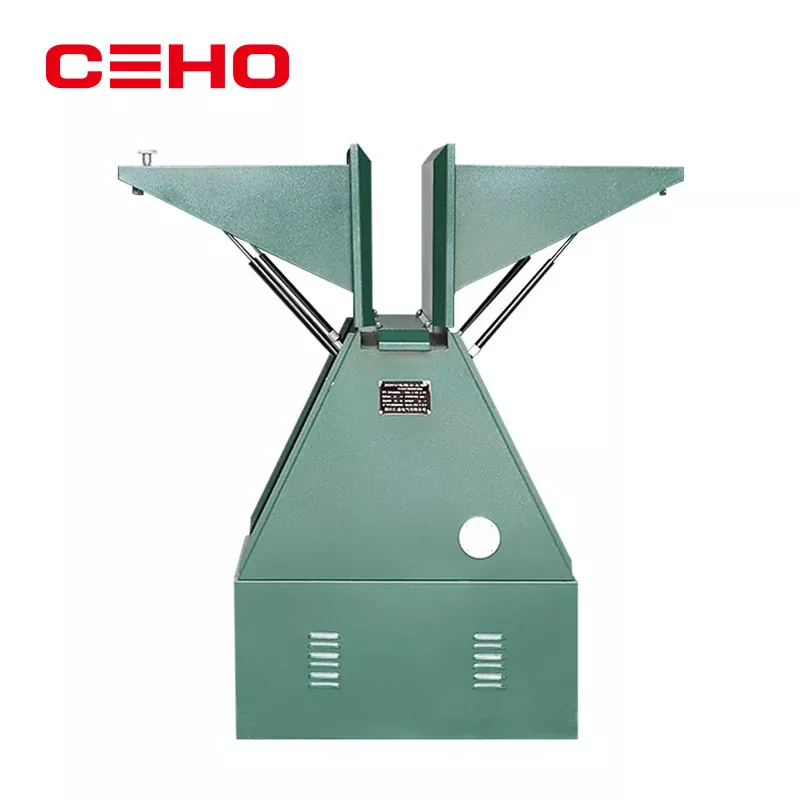
Primary Equipment (Core hardware for direct power handling)
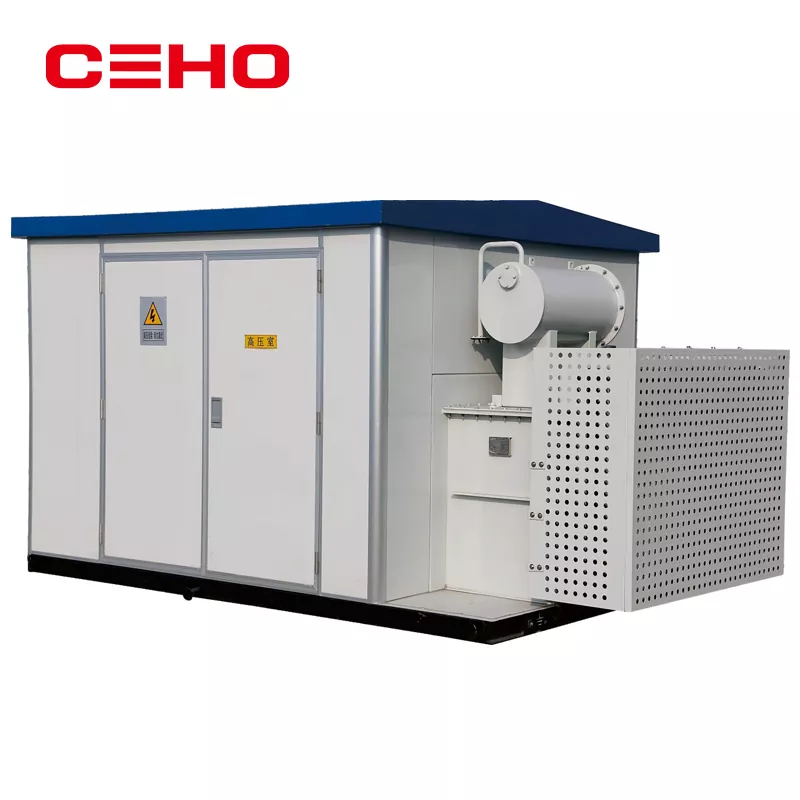
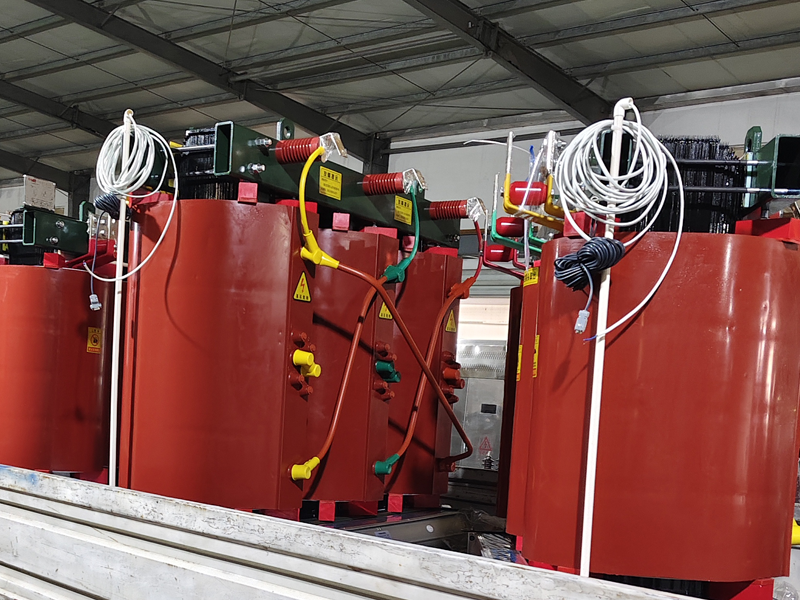
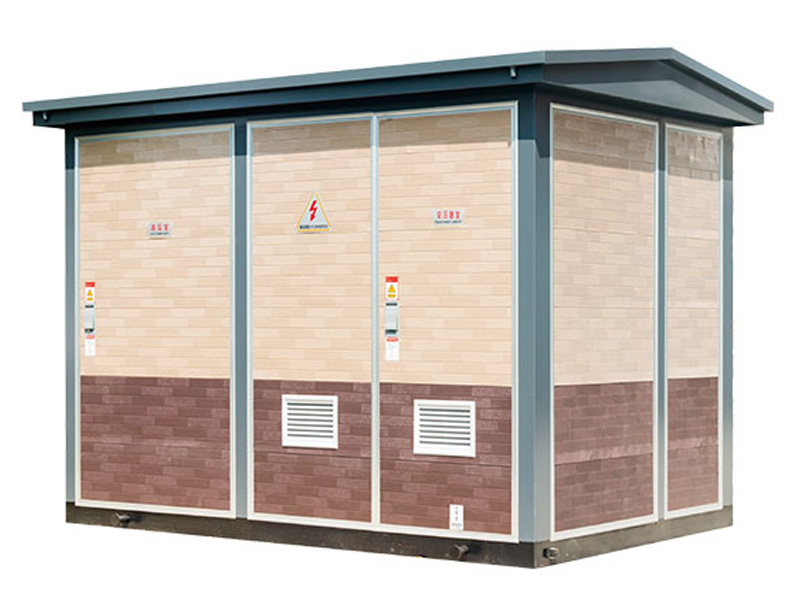
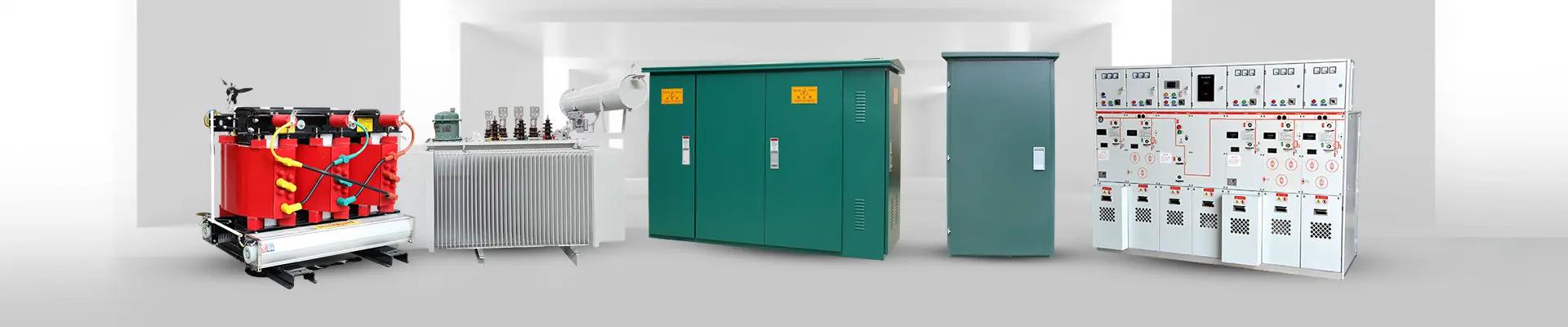
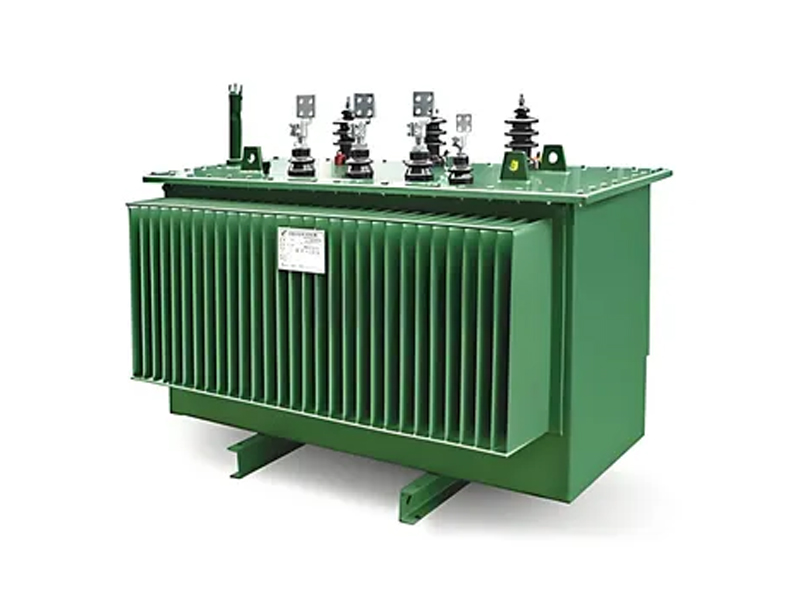
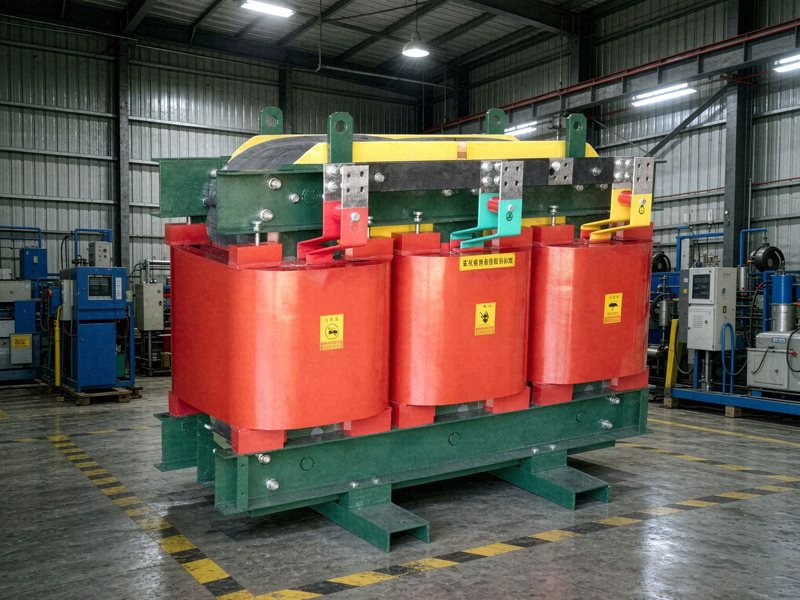
Power TransformerThe core equipment of a substation, which steps up or steps down voltage through electromagnetic induction to adapt to transmission and distribution requirements. Common types include oil-immersed transformers and dry-type transformers.
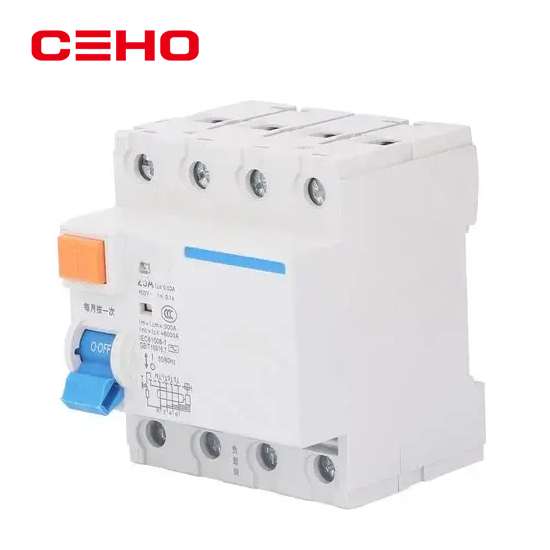
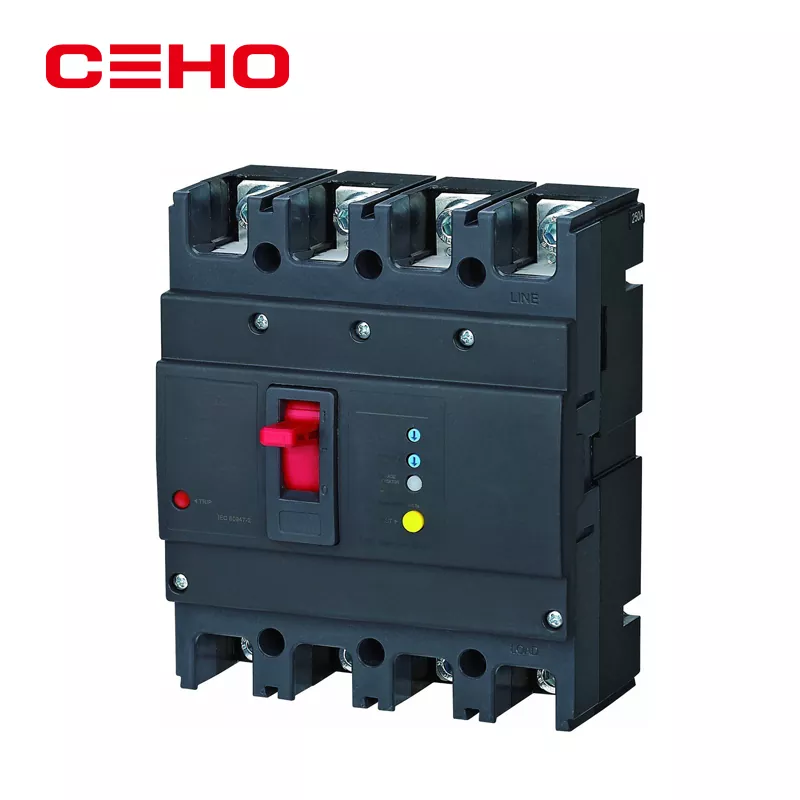
Circuit BreakerServes both control and protection functions. It can switch circuits on or off under normal conditions to adjust power supply, and quickly interrupt fault currents (such as short circuits or overloads) to prevent accidents from expanding. It has arc-extinguishing capability; common types include SF₆ circuit breakers and vacuum circuit breakers.
Disconnect SwitchMainly used to isolate the power supply during maintenance, creating a visible open point to ensure the safety of maintenance personnel. It has no arc-extinguishing capability and cannot be operated under load, so it must be used in conjunction with a circuit breaker.
Current Transformer (CT)Converts large currents in the line into standard small currents (usually 5A or 1A), providing signals for measuring instruments and relay protection devices, while isolating high and low voltages to ensure personnel and equipment safety.
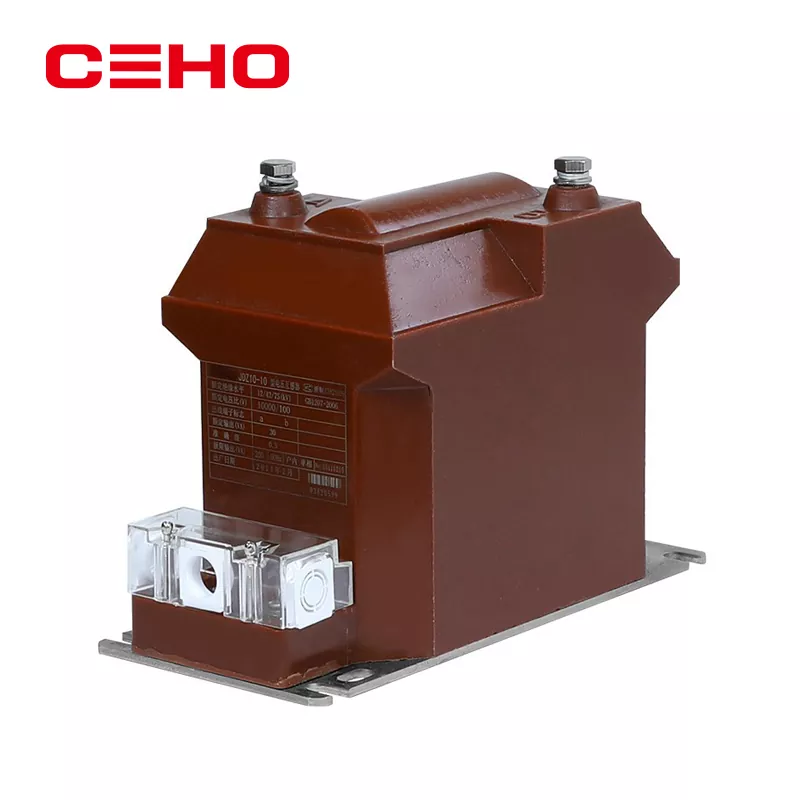
Voltage Transformer (PT)Converts high voltage into standard low voltage (usually 100V), providing accurate voltage signals for measurement and protection devices to ensure the accuracy of measurement and protection.
Surge ArresterMainly used to protect against overvoltages caused by lightning or switching operations. It discharges overvoltage charges to the ground through nonlinear resistors to protect equipment insulation; the most common type is the zinc oxide surge arrester.
BusbarThe "main artery" for power transmission inside the substation, used to collect, distribute, and transmit electrical energy. It is usually made of copper or aluminum, with various forms such as rectangular and tubular.
Power CableUsed for power transmission, featuring small footprint and high reliability, suitable for power transmission scenarios of different voltage levels.
ReactorMainly used to limit short-circuit currents and compensate for the capacitive reactive power of lines, improving the stability of the power system through series or parallel connection.
Capacitor BankUsed to compensate for the reactive power of the power grid, improve the power factor, thereby improving power quality, reducing line losses, and enhancing power supply efficiency.
Secondary Equipment (The "nerve center" for monitoring, control, and protection)
Relay Protection DeviceCollects fault signals such as current and voltage in real time, analyzes and judges them, and then sends tripping commands to circuit breakers to quickly remove fault sections, prevent accidents from expanding, and ensure system safety.
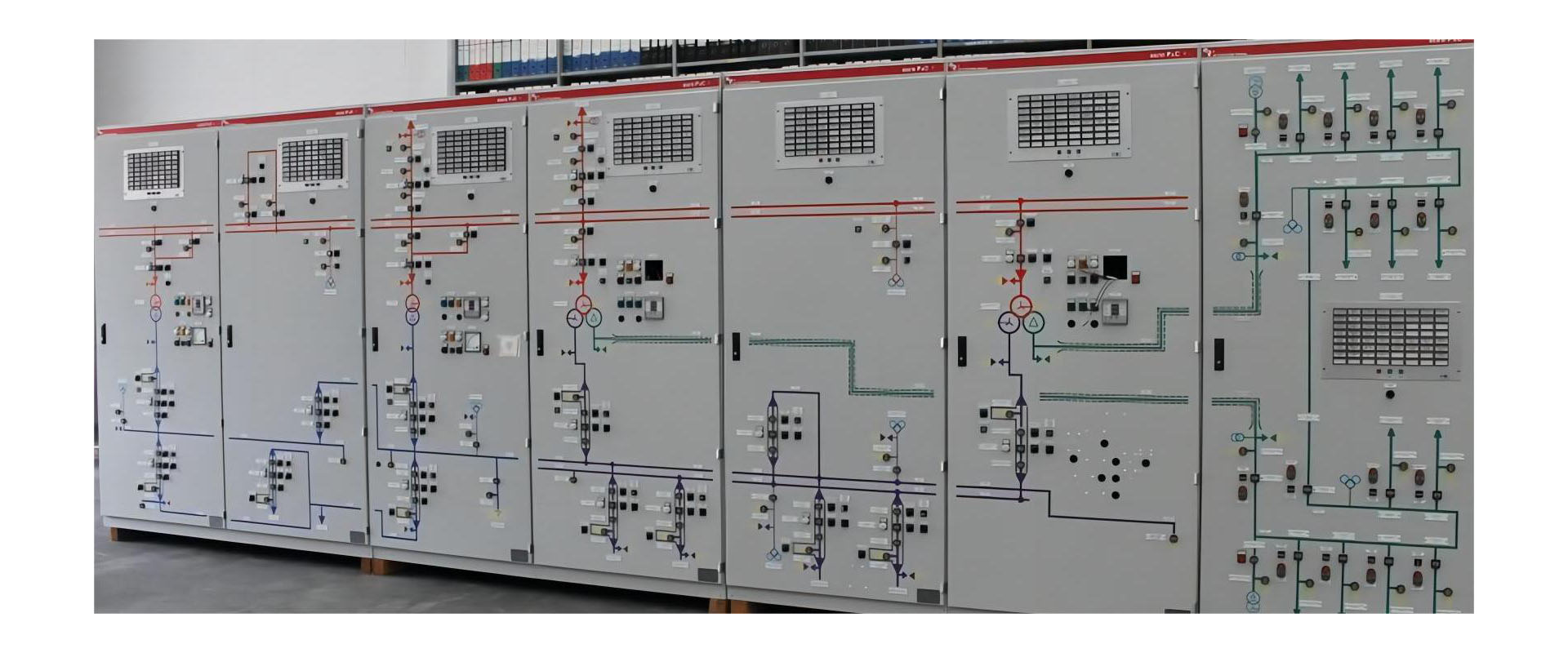
SCADA Monitoring SystemCollects real-time operation data of equipment (such as voltage, current, and temperature) and supports remote control operations, allowing maintenance personnel to remotely monitor equipment status and achieve unattended or minimally attended operation.
DC Power Supply DeviceProvides stable DC power for secondary equipment such as relay protection and monitoring systems, ensuring that key protection and control equipment can still work normally when the mains power is interrupted.
Metering DeviceAccurately measures the transmission and consumption of electrical energy for trade settlement and internal energy consumption statistics. It needs regular calibration to ensure measurement accuracy.