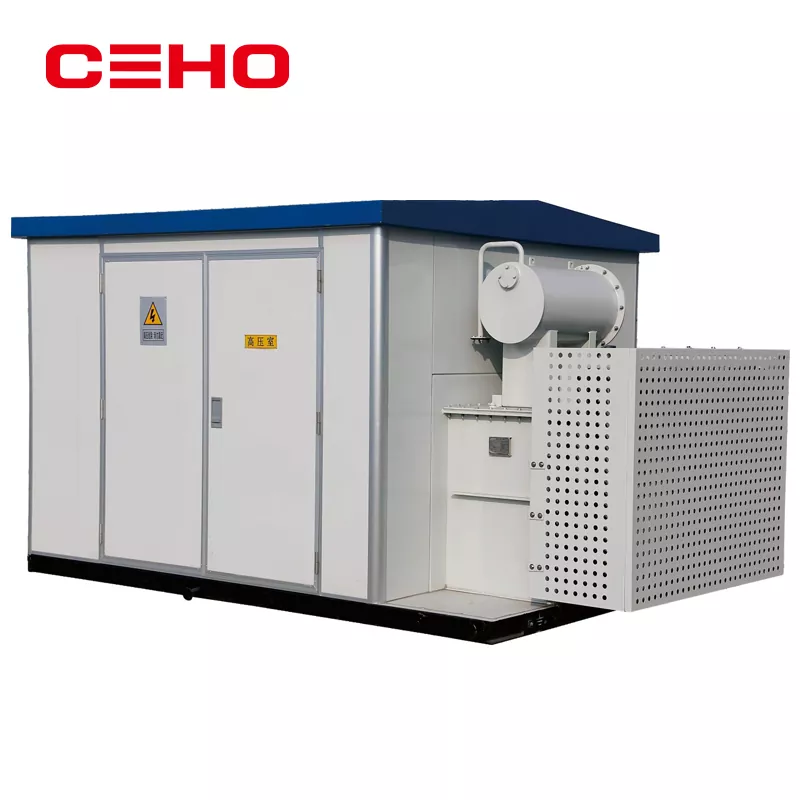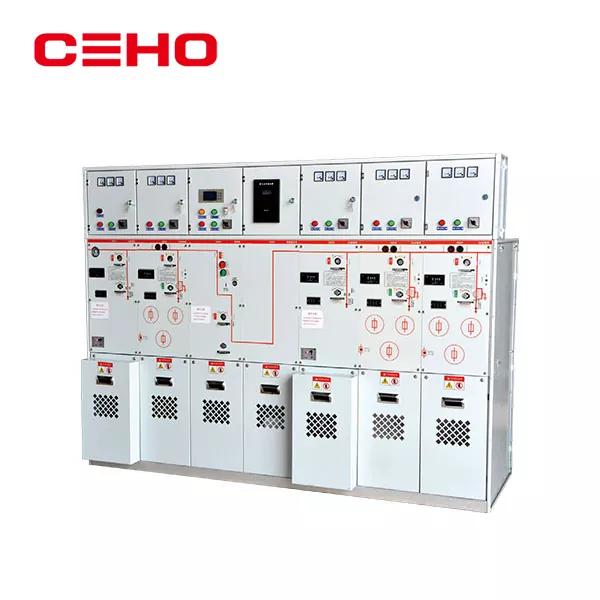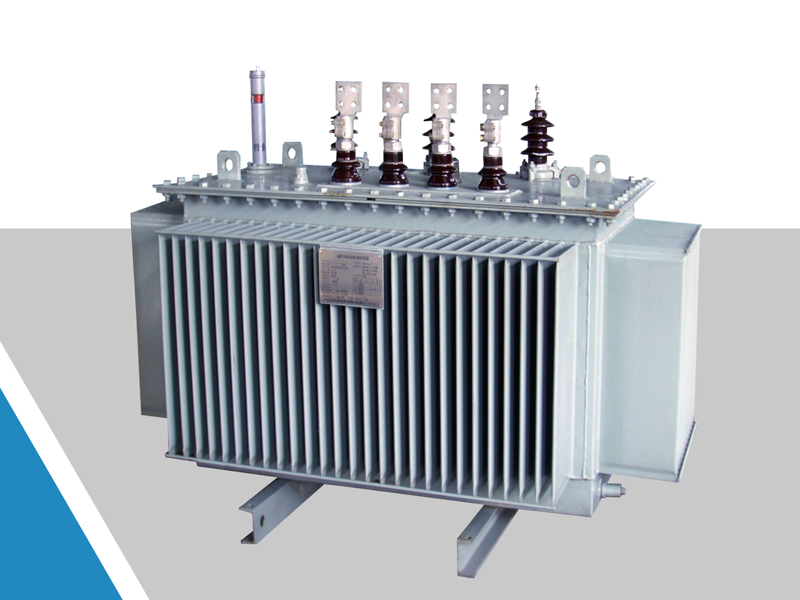
In the context of the "double carbon" goal and the construction of new power systems, oil-immersed transformers are being upgraded from traditional voltage conversion equipment to core nodes for power grid energy conservation, consumption reduction, new energy consumption and safe power supply. Its green development is not a single indicator optimization, but a system reconstruction of insulation media, body loss, intelligent operation and maintenance, and full life cycle management.
I. The underlying logic of green transformation
Transformers are often live equipment in power systems, and no-load losses occur around the clock. Industry statistics show that their total losses account for a high proportion of power transmission and distribution losses. Long-term operation of old, high-energy-consuming products will result in considerable carbon emissions. For oil-immersed transformers, green transformation faces triple pressure:
II. Insulation medium: from mineral oil to bio-based alternatives
Insulation medium innovation is the main breakthrough for the greening of oil-immersed transformers. Traditional mineral oil has shortcomings such as low ignition point and difficulty in degrading due to leakage. In the future, natural esters and synthetic esters will be the main alternatives.
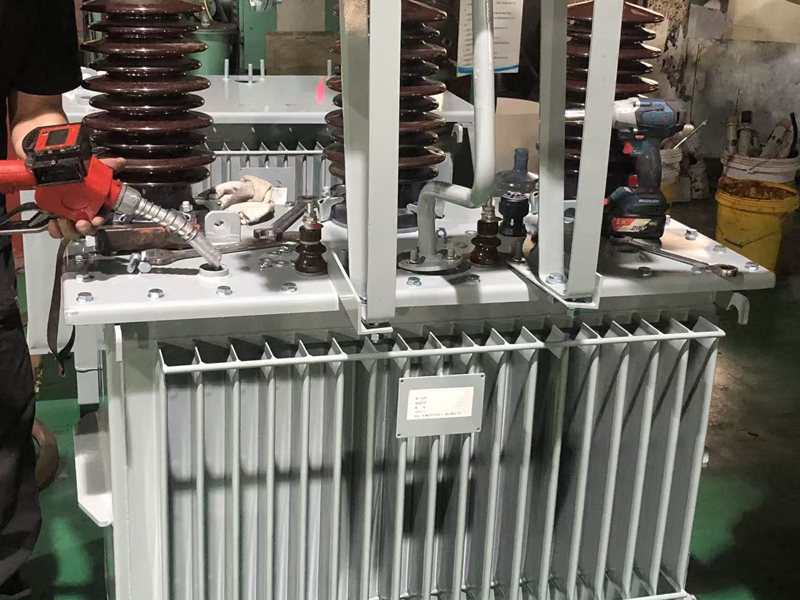
Natural ester vegetable insulating oil is refined and modified using soybean oil and rapeseed oil as raw materials. It has the advantages of high flash point, biodegradability, and renewable. Domestic soybean-based natural ester insulating oil for ultra-high voltage transformers has passed the type test, with a flash point of about 330°C, a degradation rate of nearly 100%, and full life cycle carbon emissions significantly lower than mineral oil. The vegetable oil main transformer put into operation in the Guangzhou 500kV Zengcheng substation can reduce carbon dioxide by about 72.8 tons per unit; the 10kV vegetable oil distribution transformer in Maduo, Qinghai, at a high altitude of 4,300 meters, has verified its stable operation capability in low temperature and low oxygen environments.
Synthetic ester insulating oil has more advantages in fire protection and low-temperature performance, and is suitable for special scenes such as urban indoors and high altitudes. Although the cost is higher than that of natural ester, it has stronger adaptability to working conditions. In the short term, natural esters and synthetic esters will become mainstream in parallel, and mineral oil will gradually shrink to existing equipment and cost-sensitive scenarios.
III. Ontology optimization: low loss and material upgrade
Insulating media solves environmental risks, and body loss control is the core of operational carbon reduction. Oil-immersed transformers explore losses through three technical paths:
High-grade oriented silicon steel + optimized magnetic circuit, using low-loss silicon steel with ladder laminations and low-magnetic parts optimization to reduce no-load loss and adapt to scenarios with medium load rates such as urban distribution networks; the no-load loss of amorphous alloy cores is significantly lower than silicon steel, and 110kV has been developed in China The amorphous alloy three-dimensional wound core oil-immersed transformer has energy efficiency better than Class 1 standards and is extending from distribution voltage to higher voltages. The three-dimensional wound core, copper windings and intelligent cooling work together to reduce losses through symmetrical magnetic circuit design and combine with dynamic cooling control to avoid ineffective energy consumption.
It should be noted that greening does not simply pursue "level 1 energy efficiency", but requires full-life selection based on load rate and operating hours: industrial transformers focus on load loss, urban distribution transformers focus on no-load loss, and new energy boost transformers need to take into account harmonics and power flow reversal.
IV. Intelligent operation and maintenance: from passive maintenance to status-driven
Problems such as excessive oil temperature and deterioration of oil quality during operation will offset energy-saving benefits, and intelligence has become an important support for greening. The core is to achieve status awareness through sensors and online monitoring: oil temperature, oil level, and pressure monitoring, dissolved gas analysis (DGA) in oil to detect discharge and overheating in the early stage, collection of oil quality parameters such as trace water and dielectric loss, and combined with load data to achieve life prediction and dynamic capacity control.
V. Policy-driven and full life cycle management
Policy correction will turn greening from advocacy to hard constraints. The "Implementation Plan for the High-Quality Development of Energy-Saving Equipment (2026-2028)" clarifies that by 2028, new energy-saving transformers will account for more than 75%, and environmentally friendly insulating oil and super-level 1 energy-efficiency products will be supported. After the implementation of the new energy efficiency national standards, S11 and earlier high-energy-consuming oil-immersed transformers will be phased out at an accelerated pace.
Full life cycle management needs to cover four links: establishing energy efficiency files and marking replacement priorities according to load rate and age; prioritizing replacement of high-energy-consuming equipment with amorphous or high-grade silicon steel products that have been in operation for more than 15 years; separate modeling of new energy side transformers to adapt to harmonic and low-load characteristics; standardizing waste oil recycling and equipment decommissioning disposal to avoid "green purchase and end-of-life pollution."
VI. Scenario Differentiation and Implementation Path
Greening paths in different scenarios have different priorities: urban dense areas prioritize natural esters, low noise and intelligent monitoring; new energy boost scenarios emphasize harmonic tolerance and dynamic cooling; high-altitude ecological zones focus on the low temperature and degradation safety of vegetable oils; industrial large-capacity scenarios focus on low load loss and online oil services.
For enterprises, it is necessary to build a product platform of "environmental-friendly oil + low loss + intelligence" to provide full-life cost calculations; user purchases should avoid only comparing the initial quotation, and need to integrate operating electricity charges, maintenance costs and decommissioning benefits.
Conclusion
The greening of oil-immersed transformers is a four-dimensional reconstruction of media innovation, loss optimization, intelligent operation and maintenance, and carbon management. In the short term, natural ester substitution, amorphous application and online monitoring are the core focus; in the long term, it will become a flexible node with low environmental risk in the new power system. For the industry, greening is not only an inevitable choice for reducing losses and carbon emissions, but also a key opportunity to seize the equipment update cycle.