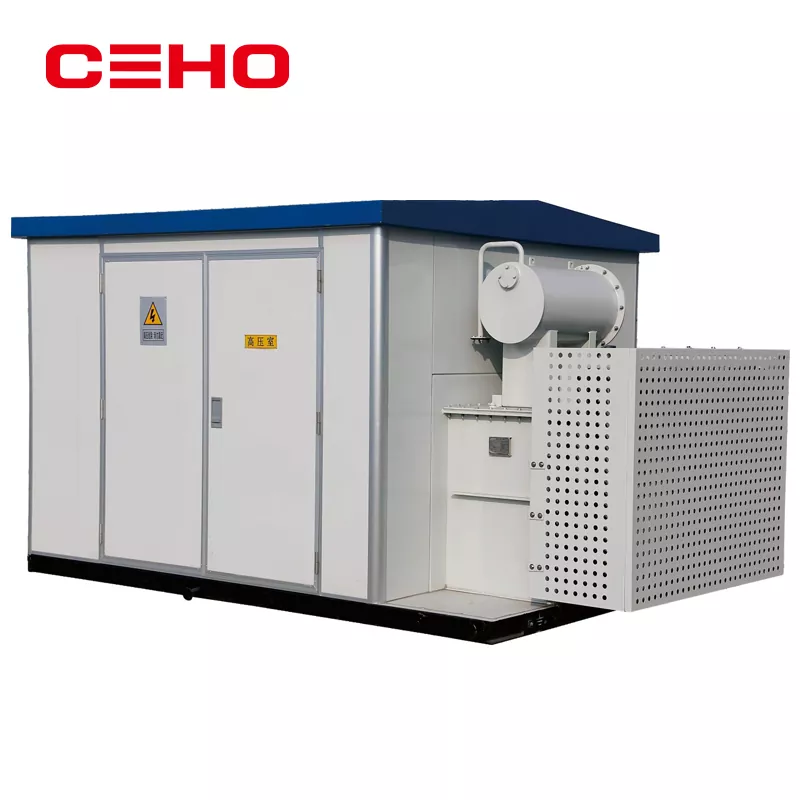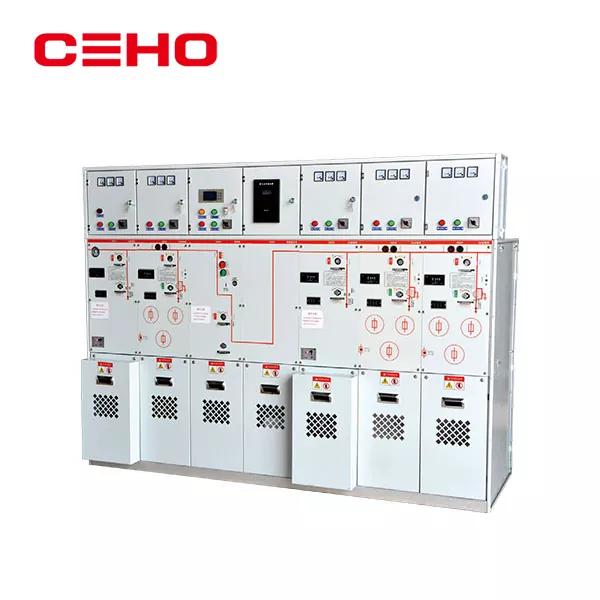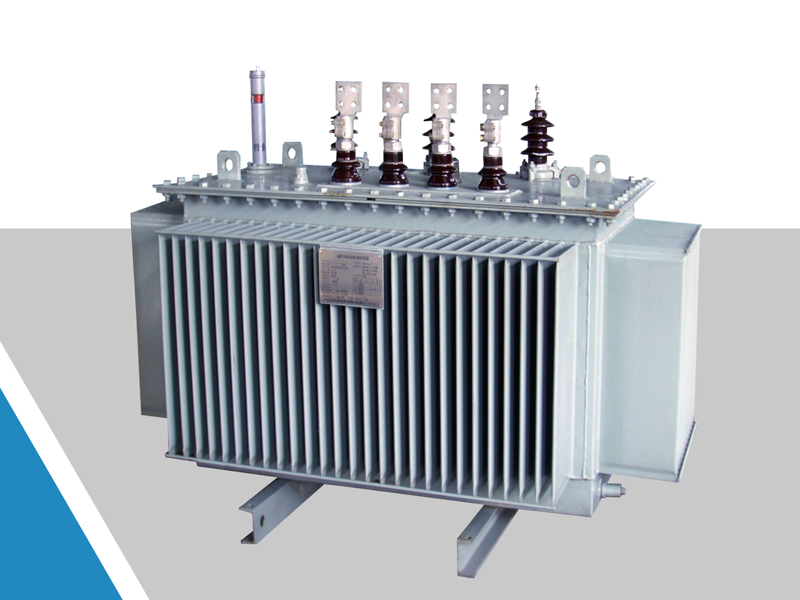
Today, when urban distribution networks are sinking deeply into "load centers", power distribution equipment is no longer just a silent iron cabinet hiding in a suburban substation. High-rise building basements, subway tunnels, hospital emergency buildings, and chemical workshops—these places that place stringent requirements on fire protection, environmental protection, and reliability are redefining the technical orientation of 10kV distribution transformers. SG(B)10-10KV environmentally friendly dry-type transformer is a typical representative of this trend.
I. The technical code behind the model
Only by understanding the model number can you clearly see the technical background of this device:
SG(B)10-XXX/10
• S: Three-phase
• G: Dry (air insulated, not oil immersed)
• (B): Low-voltage foil winding (B stands for Low-voltage Foil Winding)
• 10: Performance level code (10th generation design)
• XXX: rated capacity (kVA), normal range 30~2500kVA
• 10: Voltage level 10kV
This naming method directly exposes its two core identities: non-encapsulated open structure + H-class insulation system. Different from common epoxy resin casting types (such as SCB series), the coil of SG(B)10 is not "sealed" with resin, but uses NOMEX insulated paper-wrapped wire + VPI vacuum pressure impregnation process to form a solid whole and then solidified at high temperature - this is a more "breathable" and more environmentally friendly technical route.
II. Core Process: Why NOMEX + VPI
The technical core of SG(B)10 cannot bypass two key materials and processes.
1. DuPont NOMEX paper insulation system
The product uses DuPont NOMEX paper as the main insulation material, and the overall insulation reaches H level (heat resistance 180°C), and key parts reach level C (heat resistance 220°C). What’s special about NOMEX paper is:
• Not easy to age, resistant to shrinkage, compression, and strong elasticity. The coil still maintains a tight structure after several years of use
• All insulation materials are non-combustible, self-extinguishing, non-toxic, and flammable substances are less than 10% of epoxy cast products
• Almost no toxic smoke is produced under long-term combustion at 800℃ high temperature - this is the most important indicator in closed or high-security places such as subways, chemical industries, and ships.
( Comparative perspective: Dry epoxy casting will produce a large amount of toxic gases when burning, and after the resin and glass fiber are solidified and fused, they cannot be decomposed and recycled after their lifespan expires, and can only be treated as solid waste; while the NOMEX paper-based insulation system can be decomposed and recycled after its lifespan, and the material recycling rate can reach more than 85%, which is much higher than the 60% of the oil-immersed type. )
2. VPI vacuum pressure impregnation process
After the coil winding is completed, it goes through a complete VPI closed loop of preheating → vacuum degassing → soaking in impregnating paint → vacuuming again → pressurizing (about 6Pa) → drip drying → high temperature baking at 135~150°C for 8~10 hours → cooling. The direct benefits brought by this process are:
III. "Environmentally friendly" is not a marketing label
SG(B)10’s environmental attributes run through the entire life cycle:
Compared with traditional oil-immersed transformers, the dry structure also eliminates the need for supporting facilities such as oil pools and fire embankments, reducing land occupation and investment in fire protection facilities. This is a hidden project cost saving for urban central substations and underground distribution rooms.
IV. where does it fit in
Typical application scenarios of SG(B)10 can be understood in three categories:
++ Places with high fire protection requirements
High-rise building power distribution rooms, underground commercial complexes, subways, airports, hospitals, libraries - once an electrical fire occurs in these places, the consequences far exceed the equipment itself. The flame-retardant, self-extinguishing and smoke-free properties of SG(B)10 make it the preferred choice for such places.
++ Hard Industrial Environment
Metallurgical workshops, chemical plant areas, coastal power plants, hydropower stations - high humidity, high salt spray, lots of dust, and large load fluctuations. The three-proof performance and thermal shock resistance make it more "resistant" than the epoxy cast type here.
++ Urban Load Center
Densely populated areas, schools, data centers, and commercial centers are sensitive to noise, have high requirements for power supply continuity, and have compact installation spaces. The characteristics of low noise, maintenance-free and being able to penetrate deep into the load center are exactly suitable for this kind of scenario.
V. Three practical reminders for selection and deployment
No matter how good the equipment is, it is a waste if used in the wrong scenario. When implementing SG(B)10, there are three project details worthy of early attention:
1. Environment correction cannot be omitted
Standard applicable conditions are altitude ≤1000m, ambient temperature -25℃~+40℃, and good indoor ventilation. If the altitude is >1000m or the ambient temperature is out of range, the rating must be corrected according to GB/T 1094.11 "Power Transformer Part 11: Dry-type Transformer" - this is the most easily missed link in the design stage.
2. Ventilation is a lifeline
Unencapsulated structures rely on air convection to dissipate heat. When installed in a basement or poorly ventilated space, a forced heat dissipation device must be added, otherwise the best overload capacity will not be exerted.
3. The protection level must match the site
The standard configuration is IP00 (open type), but in dusty or slightly dripping environments, IP20 or IP23 enclosures should be selected. As the protection level is improved, some heat dissipation capabilities will be sacrificed, and a balance needs to be struck between enclosure selection and fan configuration.
Conclusion
The SG(B) 10-10KV environmentally friendly dry-type transformer is not a "new" product, but its technical route - non-encapsulated + NOMEX + H-class insulation - is more in line with engineering reality than ever before under today's "urban power distribution inward and downward" trend. The balanced performance in these three dimensions of safety redundancy, overload margin, and full life cycle environmental protection is the fundamental reason why it can continue to gain a foothold in harsh scenarios such as high-rise buildings, subways, hospitals, and chemical industries.