English
- English
- Español
- Português
- русский
- Français
- 日本語
- Deutsch
- tiếng Việt
- Italiano
- Nederlands
- ภาษาไทย
- Polski
- 한국어
- Svenska
- magyar
- Malay
- বাংলা ভাষার
- Dansk
- Suomi
- हिन्दी
- Pilipino
- Türkçe
- Gaeilge
- العربية
- Indonesia
- Norsk
- تمل
- český
- ελληνικά
- український
- Javanese
- فارسی
- தமிழ்
- తెలుగు
- नेपाली
- Burmese
- български
- ລາວ
- Latine
- Қазақша
- Euskal
- Azərbaycan
- Slovenský jazyk
- Македонски
- Lietuvos
- Eesti Keel
- Română
- Slovenski
- मराठी
- Srpski језик

How Can High-Efficiency Transformers Save Energy and Reduce Consumption for Smart Manufacturing?
In the era of smart manufacturing, energy efficiency has become a core element for enterprises to improve their competitiveness. As a key equipment in the power system, high-efficiency transformers play an irreplaceable role in energy conservation and consumption reduction. So, how do high-efficiency transformers contribute to the green development of smart manufacturing?
1. Introduction
1.1 Development status of intelligent manufacturing industry
As a core component of the modern industrial system, intelligent manufacturing is driving the transformation and upgrading of the global manufacturing industry at an unprecedented speed. With the advent of the Industry 4.0 era, intelligent manufacturing has significantly improved production efficiency and product quality by integrating advanced technologies such as automation technology, information technology, and artificial intelligence. It has also brought profound changes to the industrial production model. However, this rapid development is accompanied by a sharp increase in energy demand. According to relevant industry reports, energy consumption in smart manufacturing has increased exponentially in the past decade, especially in high-energy consumption scenarios such as automated production lines, intelligent warehousing systems, and large-scale data centers. This growth not only poses a challenge to the traditional energy supply system, but also aggravates the problems of resource shortage and environmental pollution. Therefore, how to optimize energy utilization while ensuring the efficient operation of intelligent manufacturing has become a focus of both academia and industry.
1.2 The urgency of saving energy and reducing consumption
Facing increasingly severe energy pressure, the issue of energy conservation and consumption reduction in the intelligent manufacturing industry cannot be ignored. From a macro level, the global "double carbon" goal puts forward clear requirements for energy conservation and emission reduction in the industrial field. As one of the main sources of industrial energy consumption, smart manufacturing's energy conservation and consumption reduction results are directly related to the realization of the overall goal. In addition, the continued rise in energy costs has also brought tremendous operating pressure to manufacturing companies, forcing them to re-examine their energy management strategies. Research shows that companies that fail to effectively implement energy-saving measures will face the risk of reduced competitiveness, and may even be eliminated from the market due to their inability to meet environmental protection regulations. In this context, energy conservation and consumption reduction are not only the intrinsic needs of the sustainable development of the intelligent manufacturing industry, but also an important guarantee for it to cope with external challenges and achieve long-term profitability.
1.3 The significance of high-efficiency transformers in energy saving and consumption reduction in intelligent manufacturing
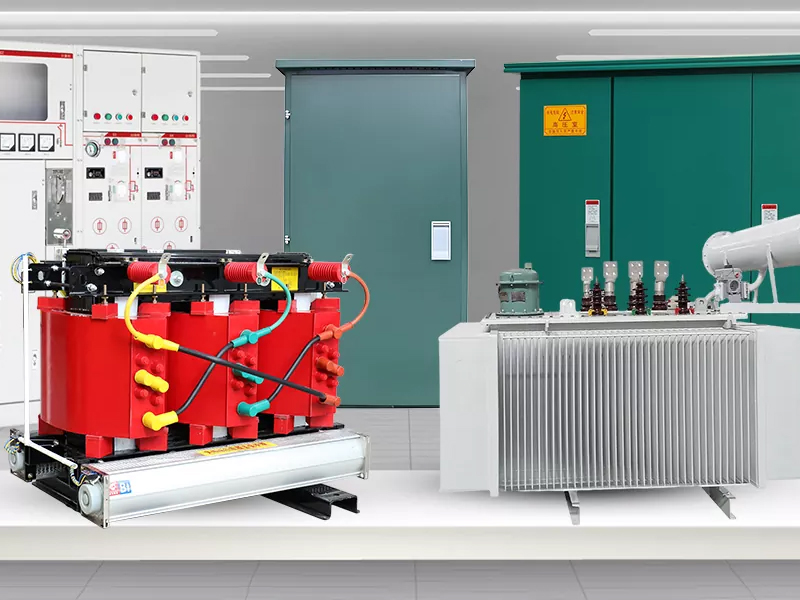
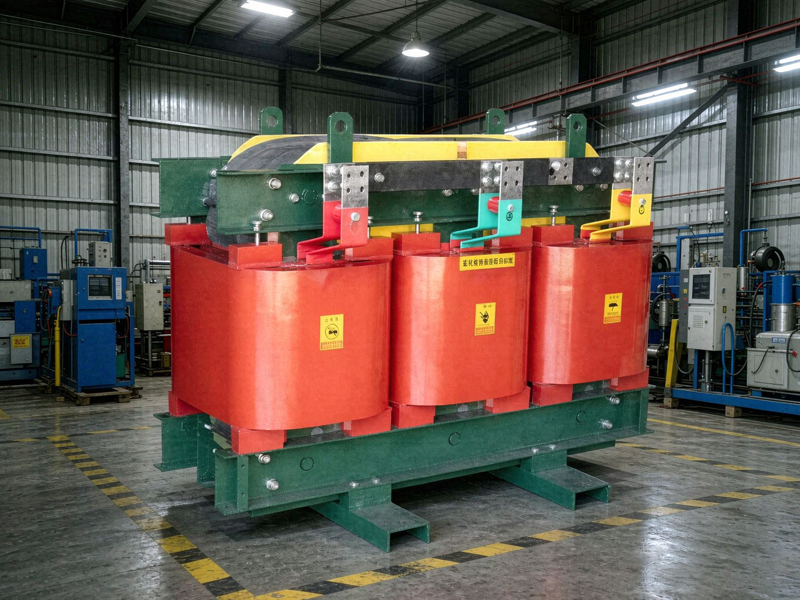
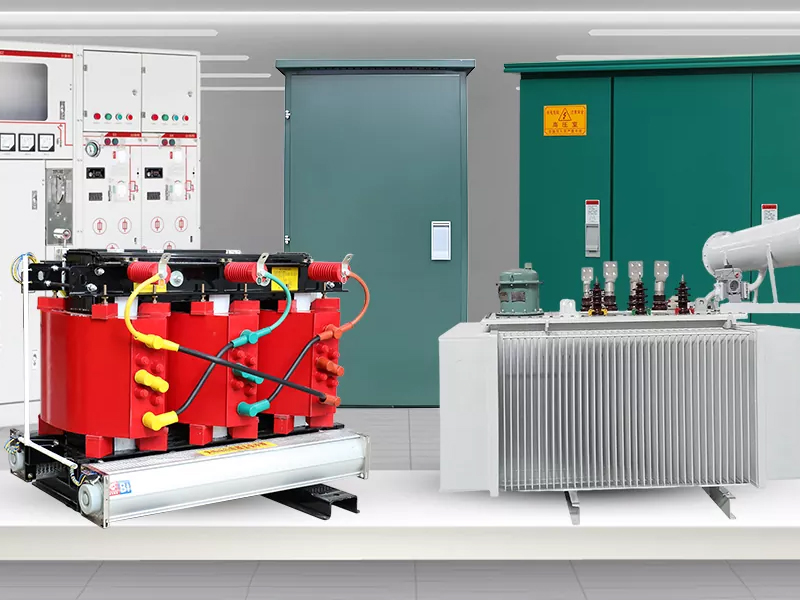
As a key equipment in the power transmission and distribution system, high-efficiency transformers play an irreplaceable role in achieving the goals of energy conservation and consumption reduction in intelligent manufacturing. Compared with traditional transformers, high-efficiency transformers can significantly reduce no-load losses and load losses by using new energy-saving materials, optimized designs, and advanced manufacturing processes, thereby improving power utilization efficiency. Especially in the field of smart manufacturing, the application of high-efficiency transformers not only helps reduce energy waste in power distribution, but also provides stable power support for production equipment, thereby improving the operational reliability of the overall system. In addition, the combination of high-efficiency transformers and intelligent control technology further enhances its adaptability in complex industrial environments and provides technical support for achieving refined energy management. Therefore, in-depth study of the technical principles of high-efficiency transformers and their application in intelligent manufacturing is of great significance for promoting the realization of the industry's energy saving and consumption reduction goals.
2. Core technology of high-efficiency transformers
High-efficiency transformers significantly reduce no-load losses and load losses by using high-permeability materials, optimizing core and coil designs, and improving manufacturing processes. Compared with traditional transformers, its efficiency can be increased to more than 99%, reducing energy waste during transmission and distribution.
2.1 Application of energy-saving materials
2.1.1 Core material
High-efficiency transformers have made significant progress in the application of energy-saving materials. The development and application of new core materials is one of the key factors in reducing no-load losses. As an important iron core material, amorphous alloy is widely used in high-efficiency transformers due to its unique microstructure and magnetic properties. The iron core of amorphous alloy has lower hysteresis loss and eddy current loss, which is mainly attributed to its amorphous structure that can effectively reduce energy loss during the movement of magnetic domain walls. In addition, amorphous alloys have higher magnetic permeability and can achieve higher magnetic flux density at lower magnetic field strengths, thereby further reducing no-load losses. Research shows that high-efficiency transformers using amorphous alloy iron cores can reduce no-load losses by about 60% to 80% compared with traditional silicon steel core transformers. This advantage not only significantly improves the energy efficiency level of the transformer, but also provides important technical support for energy conservation and consumption reduction in the field of intelligent manufacturing.
In addition to amorphous alloys, other new core materials such as nanocrystalline alloys are also gradually attracting attention. These materials further optimize magnetic properties while maintaining high magnetic permeability through fine control of grain size and chemical composition. For example, nanocrystalline alloys have excellent magnetic properties under high-frequency conditions and are suitable for applications that have special requirements for power quality in smart manufacturing. By rationally selecting and optimizing core materials, high-efficiency transformers can achieve lower energy loss under different working conditions while meeting the needs of smart manufacturing systems for stable power supply. Therefore, the innovative application of core materials is not only the core of the development of high-efficiency transformer technology, but also an important way to promote the realization of energy saving and consumption reduction goals in intelligent manufacturing.
2.1.2 Winding materials
In the design of high-efficiency transformers, the optimization of winding materials also plays a crucial role in reducing load losses. Traditional transformers usually use copper conductors as winding materials, but with the advancement of electrical material technology, high-efficiency transformers have begun to introduce high-conductivity materials or special-structure windings to further improve performance. For example, using superconducting materials or copper alloys as winding materials can significantly reduce winding resistance, thereby reducing load losses. In addition, by optimizing the structural design of the winding, such as using multi-layer winding or spiral winding form, the eddy current loss and circulating current loss in the winding can be effectively reduced, while improving the uniformity of current distribution. This design optimization not only reduces load losses, but also improves the thermal stability and operational reliability of the transformer.
It is worth noting that the optimization of winding materials needs to be comprehensively considered in conjunction with specific smart manufacturing application scenarios. For example, in automated production lines, high-efficiency transformers require frequent starts and stops, which places higher requirements on the fatigue strength and heat resistance of winding materials. To this end, researchers have developed new winding materials with high strength and high temperature resistance to meet the needs of smart manufacturing equipment for efficient and stable operation. At the same time, the lightweight design of winding materials has also become one of the research hotspots. By reducing the amount of materials, it not only reduces production costs, but also further improves the energy efficiency level of transformers. In summary, the optimization and innovative design of winding materials are important technical means for high-efficiency transformers to achieve energy saving and consumption reduction goals, and provide solid technical support for sustainable development in the field of intelligent manufacturing.
2.2 Advanced Design Optimization
2.2.1 Structural Design
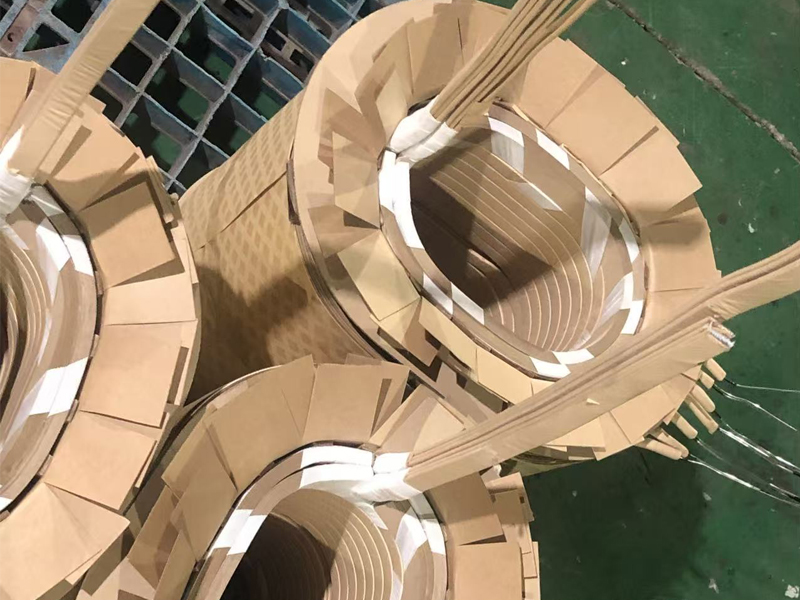
The structural design of high-efficiency transformers plays a key role in improving their energy-saving performance, especially in optimizing the core structure and winding layout. The core structure of traditional transformers usually adopts a laminated design. Although the process is mature, it is prone to significant hysteresis and eddy current losses under high load conditions. In contrast, high-efficiency transformers can significantly reduce hysteresis and eddy current losses by improving the core structure, such as using wound or amorphous alloy integral forming technology, thereby improving energy efficiency. In addition, optimizing the cross-sectional shape and size distribution of the iron core can further improve the magnetic flux distribution characteristics, reduce the occurrence of local magnetic flux saturation, and thus enhance the overall performance of the transformer.
In terms of winding layout, high-efficiency transformers effectively reduce magnetic leakage and circulating current losses in the windings by using multi-layer segmented windings and interleaved winding designs. For example, multi-layer segmented winding design can reduce electromagnetic coupling losses between windings and improve the uniformity of current distribution by reasonably allocating the number of winding layers and turns. The interleaved winding design further optimizes the distribution characteristics of the magnetic field by alternately arranging high-voltage windings and low-voltage windings, thereby reducing magnetic leakage losses and additional losses. These structural design innovations not only significantly improve the energy efficiency level of high-efficiency transformers, but also enhance their adaptability and stability under complex working conditions of intelligent manufacturing. Therefore, the optimization of structural design is an important technical guarantee for high-efficiency transformers to achieve energy saving and consumption reduction goals, and provides important support for efficient energy utilization in the field of intelligent manufacturing.
2.2.2 Cooling system design
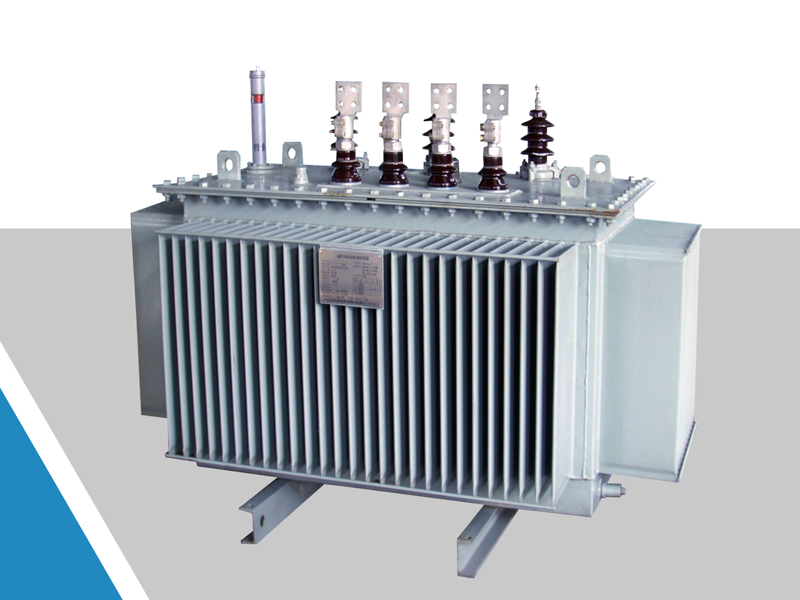
The design of the cooling system of a high-efficiency transformer is an important guarantee for its operating efficiency and stability, especially in application scenarios that require high equipment reliability and long-term operating performance in the field of intelligent manufacturing. Traditional transformers usually use natural air cooling or forced air cooling. However, under high load conditions, these cooling methods are often difficult to meet the heat dissipation needs, causing the temperature of the transformer to rise too high, thus affecting its operating efficiency and lifespan. In contrast, high-efficiency transformers can significantly improve heat dissipation efficiency and maintain stable operation of equipment by introducing advanced cooling system designs, such as oil-immersed self-cooling, forced oil circulation cooling or evaporative cooling technology.
3. Application value in intelligent manufacturing
1. Stable power supply and ensure production continuity: High-efficiency transformers can provide more stable voltage output and reduce the impact of power fluctuations on precision manufacturing equipment, thereby reducing equipment failure rates and improving production efficiency.
2. Reduce operating costs: Due to reduced energy consumption, businesses can significantly save on electricity bills. In large-scale manufacturing plants, transformers account for a large proportion of energy consumption. After using high-efficiency equipment, the annual energy saving effect can reach hundreds of thousands of kWh.
3. Intelligent monitoring and optimization: Combined with Internet of Things technology, high-efficiency transformers can monitor operating status in real time, predict potential faults through data analysis, and automatically adjust loads to achieve dynamic optimal distribution of energy.
4. Reduce carbon emissions: Energy efficiency improvements directly reduce electricity demand, help reduce carbon dioxide emissions from thermal power generation, and support global carbon neutrality goals.
4. Application effect analysis
4.1 Energy saving data analysis
Through data analysis of the actual application of high-efficiency transformers in the field of smart manufacturing, its significant effect in energy saving can be clearly quantified. Taking a heavy industry enterprise as an example, after the enterprise completely replaced its power distribution system with high-efficiency transformers, its annual total energy consumption dropped by 18.3% compared with before. Specifically, high-efficiency transformers are particularly outstanding in reducing no-load losses and load losses. For example, under light-load conditions, the no-load loss of a high-efficiency transformer using an amorphous alloy iron core is about 60% lower than that of a traditional transformer; under heavy-load conditions, through optimized winding design and cooling system, the load loss is also reduced by about 15%. In addition, high-efficiency transformers reduce additional energy consumption caused by harmonic pollution and voltage fluctuations by improving power quality. These data fully demonstrate that high-efficiency transformers have significant energy-saving effects in the field of smart manufacturing and can effectively alleviate the energy pressure faced by enterprises.
4.2 Economic benefit analysis
The application of high-efficiency transformers not only brings significant energy-saving effects, but also creates considerable economic benefits for enterprises. First of all, in terms of electricity expenses, because high-efficiency transformers can significantly reduce energy consumption, companies have reduced their annual electricity expenses. Take an electronics manufacturing company as an example. After introducing high-efficiency transformers in its production workshop, it saved more than 2 million yuan in electricity bills every year. Secondly, the long life and low maintenance characteristics of high-efficiency transformers also significantly reduce the entire life cycle cost of the equipment. For example, the average service life of transformers using advanced materials and designs is about 30% longer than that of traditional transformers. At the same time, the reduction in maintenance costs due to lower failure rates has also reached an average of more than 500,000 yuan per year. In addition, high-efficiency transformers indirectly reduce production losses caused by shutdowns by improving the operational stability of equipment. Taken together, the application of high-efficiency transformers plays an important role in reducing corporate operating costs and improving economic benefits, providing strong support for the sustainable development of intelligent manufacturing.
5. Problems and challenges faced by the application of high-efficiency transformers
5.1 Initial Investment Cost Issue
Compared to traditional transformers, high-efficiency transformers have significant technological advantages in design and material selection, but their high initial investment cost has become one of the main obstacles restricting their widespread application. High efficiency transformers typically use new core materials (such as amorphous alloys) and high conductivity winding materials, which have high research and production costs and directly lead to an increase in equipment procurement expenses. In addition, advanced design optimization and manufacturing processes have further increased the price of individual transformers, putting significant economic pressure on their promotion in small and medium-sized enterprises. For small and medium-sized enterprises with limited financial resources, the high initial investment in high-efficiency transformers may exceed their budget range, especially when it is difficult to achieve cost recovery through energy-saving benefits in the short term. Enterprises are more inclined to choose traditional transformers to reduce one-time expenses. Therefore, how to lower the initial investment threshold for high-efficiency transformers through policy support, financial innovation, and other means is one of the key issues that urgently needs to be addressed.
5.2 Technical compatibility issues
The integrated application of high-efficiency transformers in smart manufacturing systems also faces challenges in technical compatibility. First of all, the voltage matching problem is one of the main difficulties in the compatibility of high-efficiency transformers with existing power systems. Due to the new design and materials used in high-efficiency transformers, their rated voltage range and operating characteristics may differ from traditional systems, which may lead to voltage fluctuations or instability in actual applications. Secondly, the compatibility issue of communication protocols cannot be ignored. As smart manufacturing systems develop towards intelligence and automation, high-efficiency transformers need to communicate efficiently with other electrical equipment such as monitoring systems and data acquisition equipment. However, equipment produced by different manufacturers often use different communication protocols. This phenomenon of inconsistent standards may lead to poor information transmission and even system failure. In addition, during the integration process of high-efficiency transformers with existing power distribution networks, the overall operating efficiency may be affected due to mismatch in interface design. These technical compatibility issues not only increase the complexity of system integration, but also have a negative impact on the practical application of high-efficiency transformers.
5.3 Maintenance technical requirements issues
The widespread application of high-efficiency transformers also brings new challenges with increased maintenance technical requirements. Since high-efficiency transformers use a variety of new technologies and materials, their maintenance work places higher demands on the professional capabilities of technicians. For example, although amorphous alloy iron core materials can effectively reduce no-load losses, their special physical properties require special attention to avoid mechanical damage during installation and maintenance, otherwise it may lead to performance degradation or even equipment failure. In addition, the introduction of advanced functional modules such as high-efficiency transformer cooling systems and intelligent monitoring devices has also increased the complexity and technical difficulty of maintenance work. The normal operation of these modules relies on high-precision sensors and complex control systems. Once a fault occurs, maintenance personnel with relevant professional knowledge are required to diagnose and repair it in a timely manner. However, many companies still have insufficient technical reserves and personnel training in equipment maintenance, making it difficult to meet the high-level maintenance capabilities required for high-efficiency transformers. This problem may not only lead to a reduction in equipment operating efficiency, but may also increase the company's long-term operating costs, further affecting the promotion and application of high-efficiency transformers.
6. Coping strategies
6.1 Cost optimization strategy
In order to reduce the restrictions on enterprise application and promotion caused by the high initial investment cost of high-efficiency transformers, cost optimization can be achieved through government subsidies and equipment leasing. As a direct means of economic support, government subsidies can effectively alleviate the financial pressure on enterprises when purchasing high-efficiency transformers. For example, in some countries and regions, the government has introduced relevant policies to provide special financial subsidies or tax exemptions to companies that adopt energy-saving and environmentally friendly equipment, which has significantly increased the enthusiasm of companies to apply high-efficiency transformers. Additionally, the equipment leasing model provides businesses with another flexible option. Through financial leasing, companies can convert large one-time investments into rent payments in installments, thus reducing the burden of short-term funds. This approach not only lowers the initial investment threshold for enterprises, but also enables enterprises to plan capital flows more flexibly and focus on core production activities. Both of the above strategies have high feasibility and significant effects, especially in the context of policy support and financial market improvement, which can further promote the widespread application of high-efficiency transformers in the field of intelligent manufacturing.
6.2 Technology improvement strategies
In view of the problems that high-efficiency transformers may encounter in terms of technical compatibility, technical improvements need to be made from the development of universal interfaces and unified communication protocols. The development of common interfaces is one of the key measures to solve the problem of connecting high-efficiency transformers with existing systems. By designing standardized electrical interfaces and physical connection structures, we can ensure that high-efficiency transformers can seamlessly connect with smart manufacturing equipment of different brands and models, avoiding energy loss or abnormal equipment operation caused by interface mismatch. At the same time, unified communication protocols are crucial to achieve intelligent integration of efficient transformers and intelligent manufacturing systems. In current smart manufacturing systems, information interaction between devices relies on communication protocols, and devices from different manufacturers often use proprietary protocols, leading to communication barriers. Therefore, formulating and promoting unified communication protocol standards can greatly improve the collaborative efficiency of high-efficiency transformers and other smart devices, ensuring real-time data transmission and precise control. These technology improvement strategies not only help solve current technology compatibility issues, but also lay the foundation for the in-depth application of high-efficiency transformers in the field of smart manufacturing in the future.
6.3 Talent development strategy
High-efficiency transformers use new technologies and materials, which place higher requirements on the technical capabilities of maintenance personnel. Therefore, it is particularly important to strengthen the technical training of enterprise maintenance personnel and establish a professional maintenance team. First of all, enterprises should develop systematic technical training plans and regularly organize maintenance personnel to participate in professional skills training courses, covering the principles, structures, common fault diagnosis and maintenance methods of high-efficiency transformers. Through the combination of theoretical learning and practical operation, the professional skills of maintenance personnel can be improved so that they can master the operating characteristics and maintenance points of high-efficiency transformers. Secondly, establishing a professional maintenance team is an important organizational measure to ensure the stable operation of high-efficiency transformers. The professional maintenance team should be composed of technical backbones with rich experience and high-quality young technicians to form a reasonable talent echelon. Team members can efficiently complete daily equipment inspections, troubleshooting, emergency repairs and other tasks through division of labor and collaboration, ensuring that high-efficiency transformers are always in optimal operating condition. In addition, enterprises should also focus on cooperation with universities and scientific research institutions, and continuously absorb new technologies and knowledge through joint training, technical exchanges, etc., to provide a solid talent guarantee for the long-term and stable operation of high-efficiency transformers.
7. Future development trends
With the advancement of new materials and digital technology, the next generation of transformers will be more intelligent and miniaturized. They will be deeply integrated with intelligent manufacturing systems to achieve comprehensive automation of energy management and inject new impetus into sustainable industrial development.
In summary, high-efficiency transformers are not only energy-saving devices, but also indispensable smart nodes in the intelligent manufacturing ecosystem. Investing in efficient transformers means investing in a greener, more efficient, and more competitive future.
Related News
- Start by Choosing the Right JXF
- SG(B)10-10KV environmentally friendly dry-type transformer: How to deliver safe and green answers under non-encapsulated structure?
- What are the hazards of transformer overload operation? How to carry out real-time load monitoring?
- How can oil immersed transformers achieve future green development in the context of "dual carbon"?
- What does the internal structure of a dry-type transformer look like when disassembled?
- How to choose between power cabinet and lighting distribution box?
Leave me a message