In modern urban construction and industrial development, the stability and flexibility of power supply are crucial. With the increasing shortage of land resources and the acceleration of power grid construction, problems such as traditional civil substations occupy a large area, long construction period, and noise pollution have gradually become prominent. It is against this background that box-type substations (referred to as "box-type substations") have become a new star in the field of power distribution with their "plug and play" characteristics.
I. Structural analysis: the “internal organs” of box-type transformer
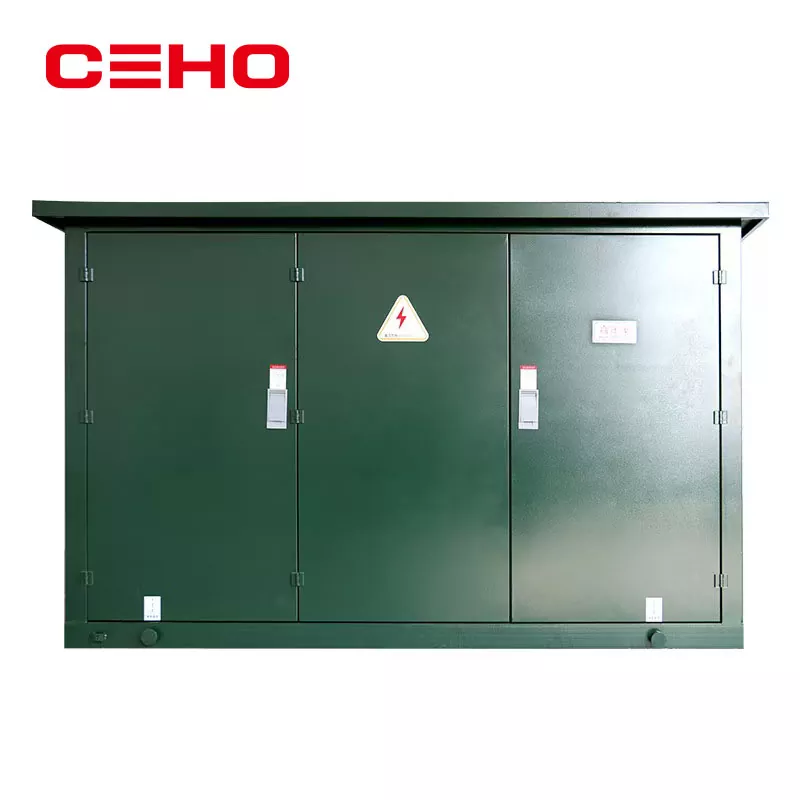
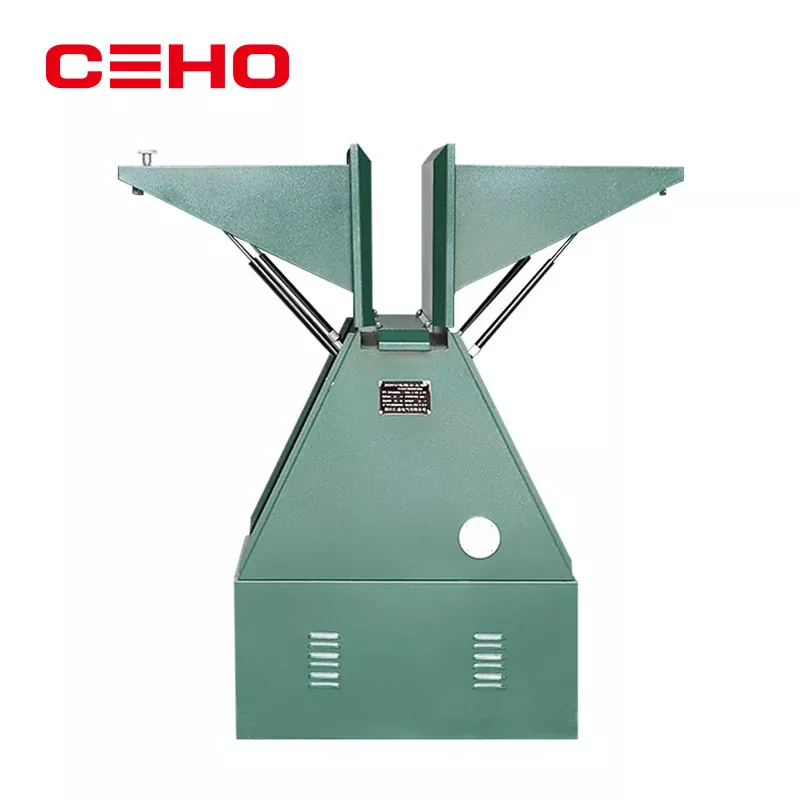
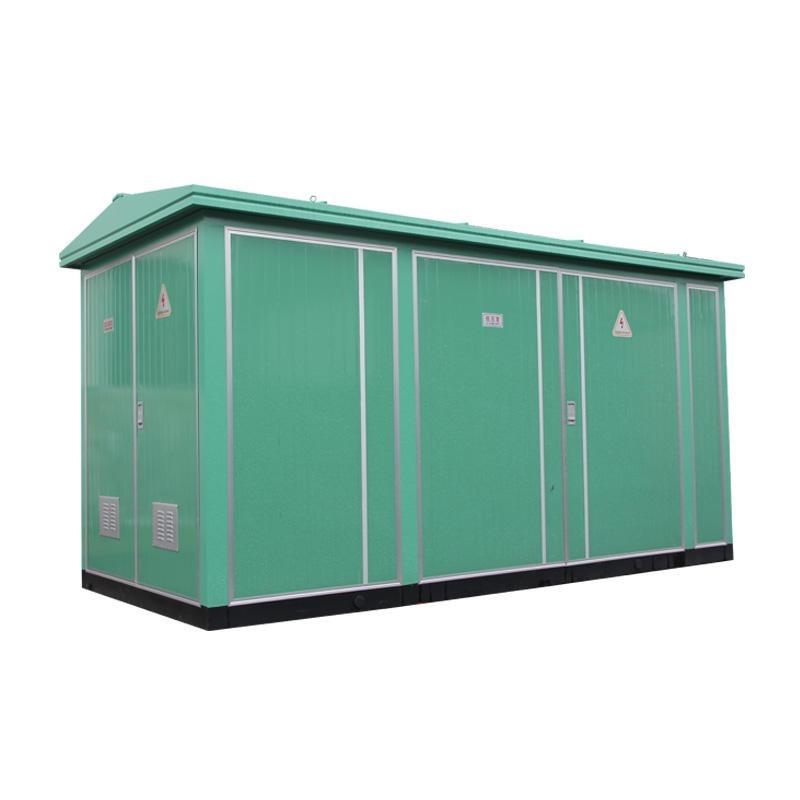
A box-type substation is not a simple iron box, but a highly integrated complete set of power distribution equipment. It usually consists of three core compartments, with a "pin"-shaped or "mou"-shaped layout.
1. High pressure chamber (input end)
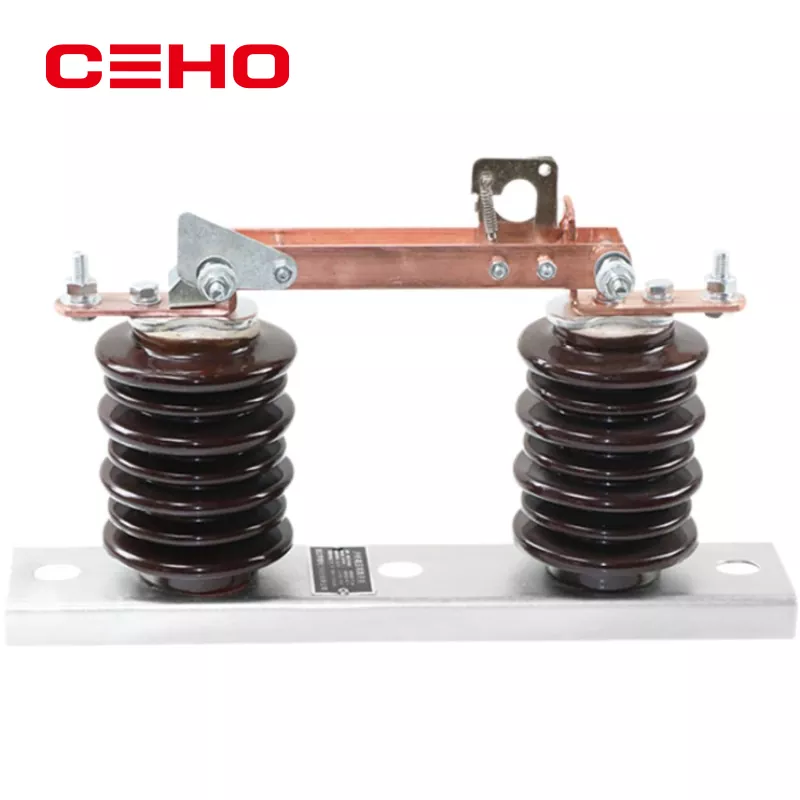
This is the entrance of electricity, mainly responsible for receiving high-voltage power from the grid (usually 10kV or 35kV).
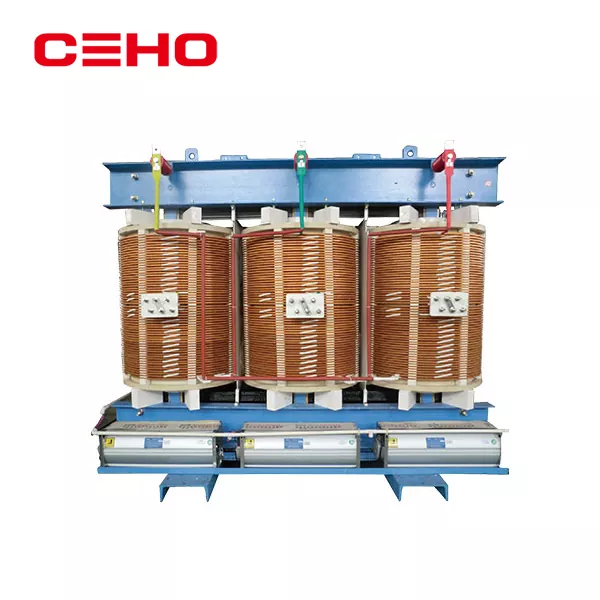
2. Transformer room (energy conversion core)
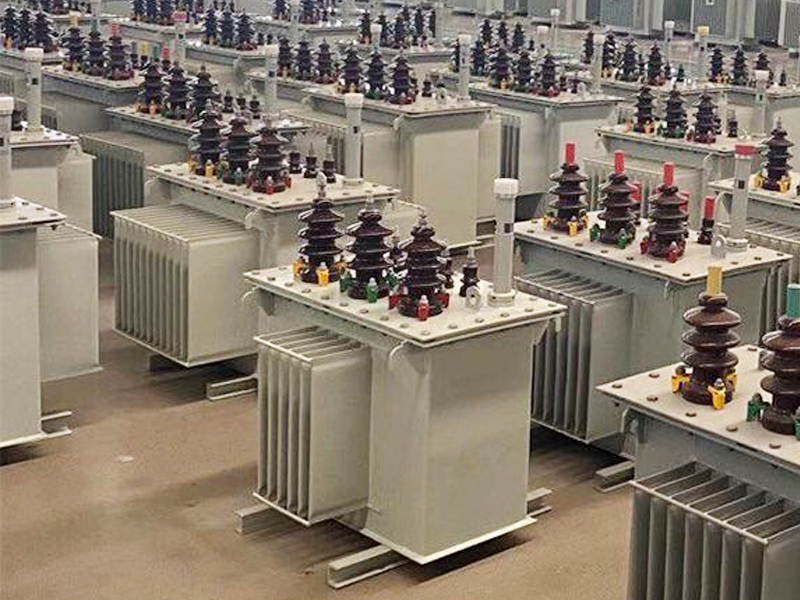
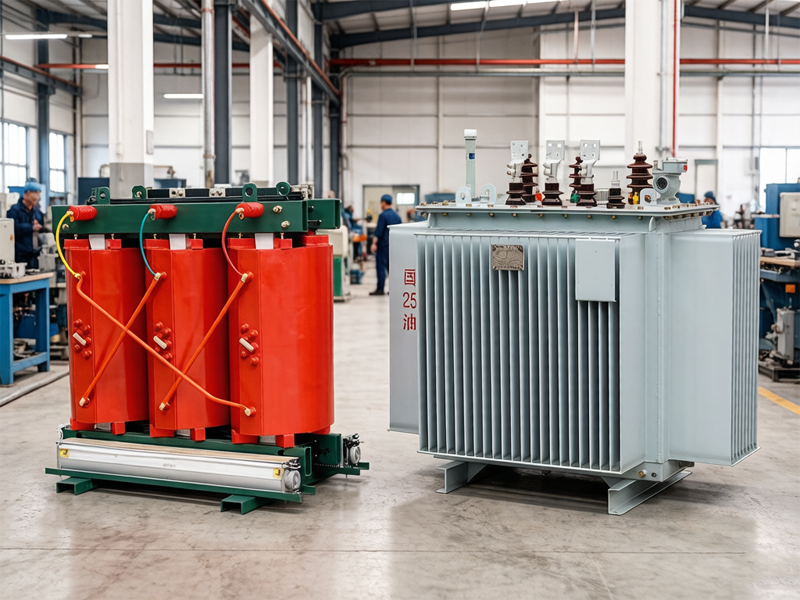
This is the "heart" of the box-type transformer, which is responsible for reducing the high-voltage power to the low-voltage power (such as 400V) required by the user.
3. Low voltage chamber (output)
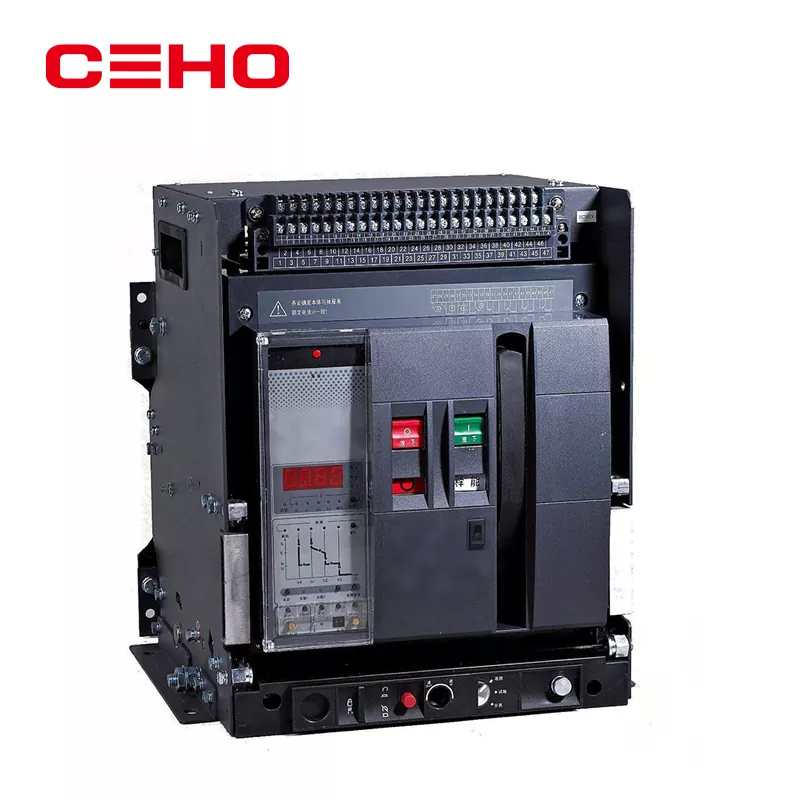
This is the center of electricity distribution, directly to the end user.
Shell material:
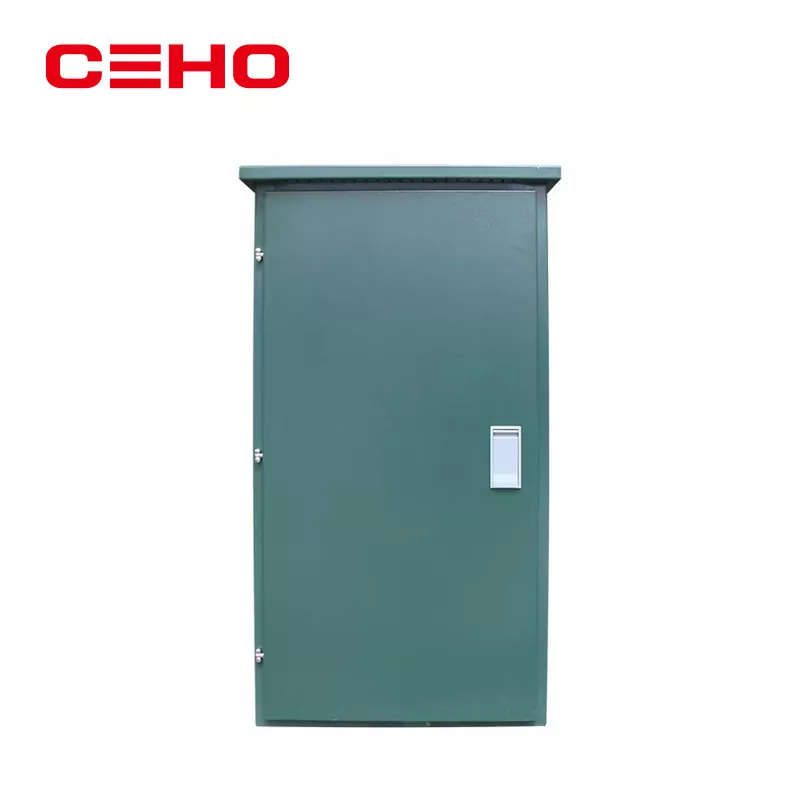
The casing of the box transformer is usually made of aluminum-zinc coated steel plate, stainless steel or non-metal (such as fiberglass reinforced plastic). These materials not only have extremely high mechanical strength, but also have excellent anti-corrosion, waterproof, and dust-proof properties, and the protection level usually reaches IP33 or IP54.
II. Core advantages: Why are box-type substations so popular?
Compared with traditional civil substations, box-type substations have all-round advantages:
1. Small footprint and flexible location selection
This is the most intuitive advantage of box-type transformers. A standard 10kV box transformer usually occupies only 3-5 square meters, less than 1/10 of a traditional substation. It can be installed in green belts, roadsides, or even underground, which greatly saves land resources and is especially suitable for urban centers where land is at a premium.
2. Extremely short construction period
Traditional substations require multiple links such as civil construction, interior decoration, and equipment installation, which take several months. The box transformer is prefabricated in the factory, and all equipment has been installed and debugged before leaving the factory. After being transported to the site, it only needs simple hoisting, wiring and debugging, and it can usually be put into operation in 1-2 days.
3. Low investment cost
Since a large amount of civil construction costs, internal decoration costs and on-site construction labor costs are saved, the overall cost of box-type substations is usually 30%-50% lower than that of civil construction stations of the same capacity.
4. Beautiful and environmentally friendly
The shell design of modern box-type transformers pays more and more attention to the integration with the environment, and can be made into landscape style, European style or American style. At the same time, the fully enclosed structure effectively isolates the noise and electromagnetic radiation during operation of the transformer, reducing the impact on surrounding residents.
5. High reliability and maintenance-free
Box-type transformers mostly use maintenance-free or low-maintenance components inside, with high protection levels and can withstand severe weather and man-made damage. Its fully sealed structure also reduces the erosion of internal equipment by dust and moisture, extending its service life.
III. Typical application scenarios: the "useful place" of box-type transformers
With the above advantages, box-type substations have penetrated into almost all areas that require temporary or permanent power distribution.
1. Urban power grid and residential areas
In the transformation of urban distribution networks and new residential areas, box-type substations are the first choice. It can be easily hidden in the green belt of the community to provide power for residential buildings and commercial facilities. Its beautiful appearance will not damage the overall landscape of the community.
2. Industrial parks and factories and mines
Factories have a large power load and often need to flexibly allocate power between different workshops. Box-type transformers can be modularly arranged near each workshop to reduce low-voltage transmission losses and improve power supply efficiency. For places with harsh environments such as mines, dustproof, moisture-proof, and explosion-proof box transformers can also be customized.
3. New energy fields (wind power, photovoltaic)
In wind farms and photovoltaic power stations, box-type transformers are called "Huabian" or "box-inverter integrated machine". A box-type transformer is usually installed directly at the bottom of the wind turbine tower or in the photovoltaic array area to boost the generated electricity and then integrate it into the power grid. Its compact structure is very suitable for long-term operation in harsh outdoor environments.
4. Electricity for temporary construction
Box-type substations are the perfect solution for construction sites, bridge construction, large-scale activities (such as concerts, sports events) and other occasions that require temporary power consumption. After the project is completed, the box-type substation can be lifted away as a whole and transferred to the next project for continued use, realizing the recycling of assets.
5. Transportation hubs and remote areas
In places such as highway service areas, along railway lines, and mountainous tourist attractions, due to complex terrain or long power supply radius, the use of box-type transformers can significantly reduce line laying costs and solve the problem of difficult construction in remote areas.
IV. Selection and future trends
When selecting a box-type substation, users need to make comprehensive considerations based on factors such as the size of the power load, installation environment (temperature, humidity, altitude), and wire entry method (ring network or terminal).
In the future, with the development of smart grids, box-type substations will also evolve towards intelligence. By adding sensors, smart terminals and communication equipment, future box-type substations will have advanced functions such as remote monitoring, fault warning, and automatic reactive power compensation, becoming "smart nodes" in the distribution network.
Conclusion
As a mature technology in the power industry, box-type substations perfectly balance the relationship between efficiency, cost and environment. It is not only the hero behind the urban modernization construction, but also the key equipment to promote the development of new energy. Whether it is planning a new city or lighting a street lamp, box-type substations are providing stable and reliable power to our world in its unique way.