News

What is the function and replacement cycle of transformer oil?

2026-04-23 0 Leave me a message


1. What is transformer oil?

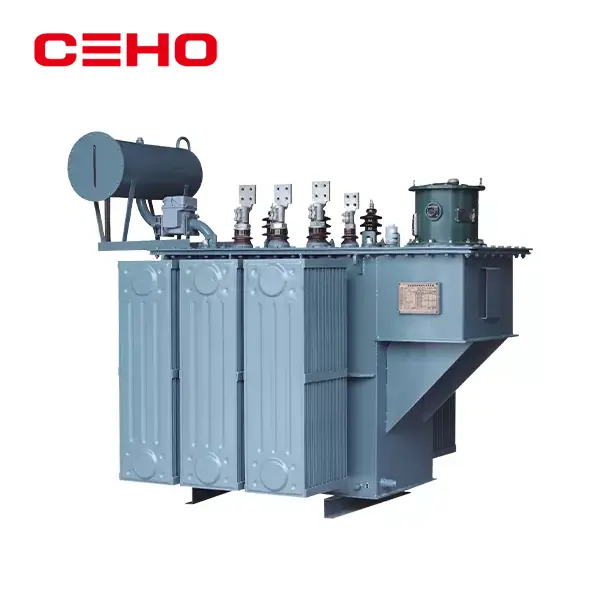
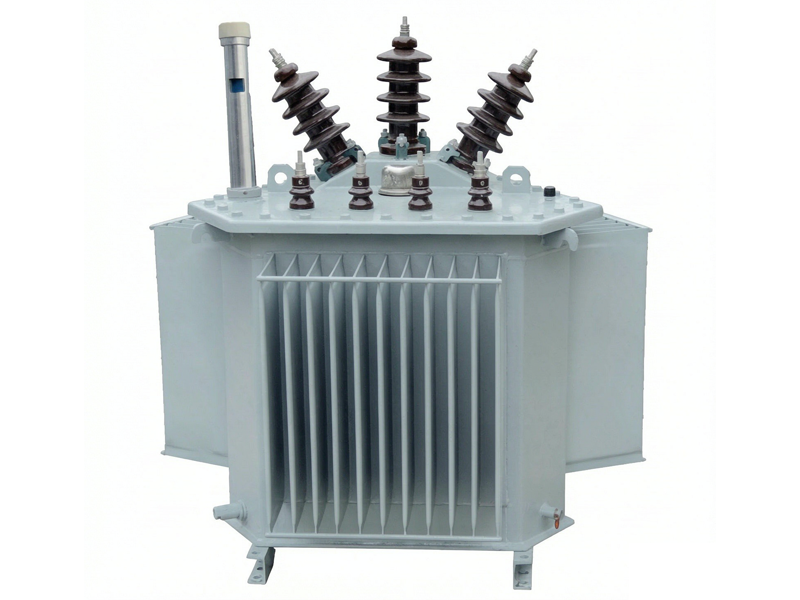
Transformer oil, also known as insulating oil, is a specialized liquid insulation and cooling medium used in high-voltage electrical equipment such as oil immersed power transformers, reactors, and circuit breakers. It is usually made of deeply refined mineral oil or synthetic esters, known as the "blood" of transformers, and plays a crucial role in the safe, stable, and long-lasting operation of equipment.


2. The function of transformer oil

  • Insulation function (anti breakdown)

       Transformer oil has extremely high dielectric strength and can effectively fill the gaps between the internal windings, iron cores, and bushings of transformers. As an insulating medium, it prevents discharge or breakdown between live parts and is the first line of defense to ensure electrical safety of equipment.

  • Cooling effect (heat dissipation)

      The winding of a transformer generates a large amount of heat during operation. Transformer oil circulates through convection, taking heat away from the winding and iron core, conducting it to the tank wall, and then dissipating it into the air through heat dissipation fins. It is like a coolant, maintaining the operation of transformers within a safe temperature range and preventing insulation materials from aging due to overheating.

  • Arc extinguishing and protection (arc extinguishing)

      When partial discharge or arc occurs inside the transformer, the transformer oil can quickly decompose and absorb the arc energy, suppressing the expansion of the arc. At the same time, it can dissolve and discharge the gas generated during faults, and provide fault warnings for equipment in conjunction with gas relays (gas relays).

  • Diagnostic function

      By regularly testing the physical and chemical properties of transformer oil, the operational status of the transformer can be determined. For example, changes in gas content, acid value, moisture and other indicators dissolved in oil can reflect potential faults inside transformers and provide important basis for equipment maintenance and repair.


3. Replacement Cycle of Transformer Oil

Once the transformer oil ages (such as excessive acid value, increased moisture content, and decreased breakdown voltage), its insulation and heat dissipation performance will deteriorate sharply. Therefore, regular oil testing and strict adherence to replacement cycles are of utmost importance for the maintenance of electrical equipment.

The following are the main factors that affect the replacement cycle of transformer oil:


  • The Degree of Oil Aging

      During operation, transformer oil is subjected to high temperatures, oxygen, moisture, and impurities, leading to gradual chemical reactions such as oxidation and cracking, which result in diminished insulation and cooling performance.By testing indicators such as the oil's acid value, dielectric strength, and moisture content, the degree of oil aging can be determined, thereby deciding whether replacement is necessary.

  • Device Operating Environment

      The operating environment of a transformer significantly influences the aging rate of its transformer oil.For example, in high-temperature, high-humidity, and dusty environments, transformer oil is more susceptible to contamination and oxidation, necessitating shorter replacement intervals.Furthermore, if a transformer is subjected to prolonged overload conditions, the oil's aging rate will also accelerate.

  • Operating Years of The Equipment

     As the service life of a transformer increases, the aging rate of its transformer oil gradually accelerates.Generally, in the first few years after a new transformer is commissioned, the oil's performance remains relatively stable, allowing for an appropriate extension of the replacement cycle.However, as the equipment operating time increases, the frequency of oil replacement must be correspondingly increased.

  • Oil Test Results

      Regular testing of transformer oil is a crucial basis for determining whether replacement is necessary.According to national standards and industry specifications, all parameters of transformer oil (such as acid value, dielectric strength, moisture content, and gas content) have clearly defined limits.If the test results exceed the permissible limits, it indicates that the oil's performance no longer meets operational requirements and requires immediate replacement.

  • Device Failure Condition

     If a transformer experiences internal faults (such as partial discharge or short circuits), it may result in severe contamination or degradation of the transformer oil.In such circumstances, even if the oil test results have not exceeded the permissible limits, the oil should be replaced based on actual conditions to ensure the safe operation of the equipment.


4. Standard for replacement of transformer oil

There is no fixed "replacement upon expiration" period for transformer oil, and its replacement cycle follows the principle of "priority for testing and replacement as needed".

According to the national standard GB/T 7595-2017 Quality of Transformer Oil in Operation, the replacement standards for transformer oil mainly include the following aspects:


  • Acid Value

      Acid value is an important indicator for measuring the degree of aging of transformer oil. If the acid value of the oil exceeds 0.1 mgKOH/g, it indicates that the oil has undergone significant oxidation and needs to be replaced in a timely manner.


  • Dielectric Strength

       Dielectric strength is a key indicator for measuring the insulation performance of transformer oil. If the dielectric strength of the oil is lower than 30 kV/2.5 mm, it indicates that the insulation performance of the oil has decreased and needs to be replaced.


  • Moisture Content

      Moisture is one of the main causes of transformer oil aging and insulation performance degradation. If the moisture content in the oil exceeds 30 ppm, measures need to be taken to dehydrate or replace the oil.


  • Gas Content

       By detecting the dissolved gas content in the oil (such as hydrogen, methane, acetylene, etc.), the internal operating status of the transformer can be determined. If the gas content increases abnormally, it indicates that there may be a potential malfunction in the equipment and further inspection and oil replacement are required.


  • Appearance and Odor

      If the color of transformer oil becomes darker, cloudy, or has an odor, it indicates that the oil has been contaminated or aged and needs to be replaced in a timely manner.


5. The Process of Replacing Transformer oil

Power Outage and Oil Discharge

Before replacing the transformer oil, it is necessary to power off the transformer and completely drain the old oil. During the oil discharge process, attention should be paid to preventing oil pollution to the environment.


Cleaning Equipment

Before injecting new oil, it is necessary to thoroughly clean the interior of the transformer to remove any remaining old oil and impurities.


Inject New Oil

Inject new oil that meets the standards into the transformer, paying attention to controlling the injection speed and temperature of the oil to avoid the formation of bubbles.


Testing and Debugging

After replacing the oil, it is necessary to conduct a comprehensive inspection and debugging of the transformer to ensure the normal operation of the equipment.


6. Summary

Transformer oil plays a crucial role in power equipment, and its performance directly affects the safe operation and service life of transformers. By regularly inspecting and replacing transformer oil, equipment failures can be effectively prevented and the service life of the equipment can be extended. In practical operation, the replacement cycle of transformer oil should be reasonably formulated according to the specific situation and operating environment of the equipment to ensure the stable operation of the power system.


Related News
Leave me a message
X
We use cookies to offer you a better browsing experience, analyze site traffic and personalize content. By using this site, you agree to our use of cookies. Privacy Policy
RejectAccept