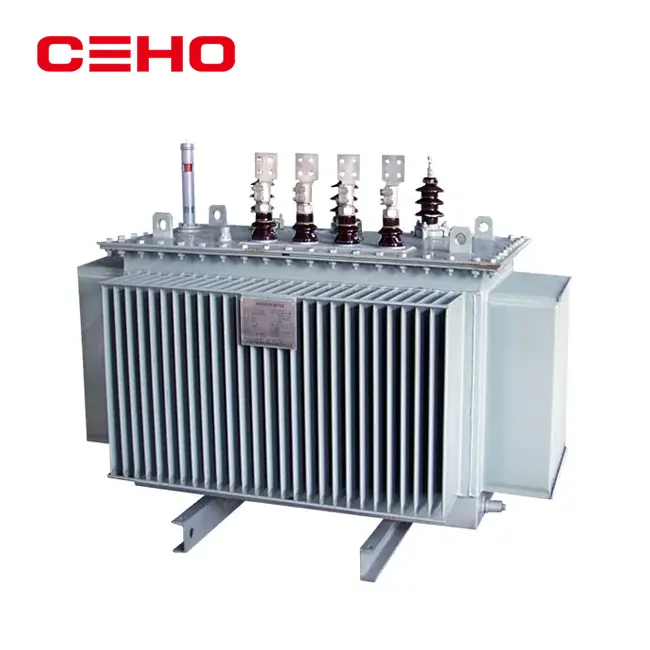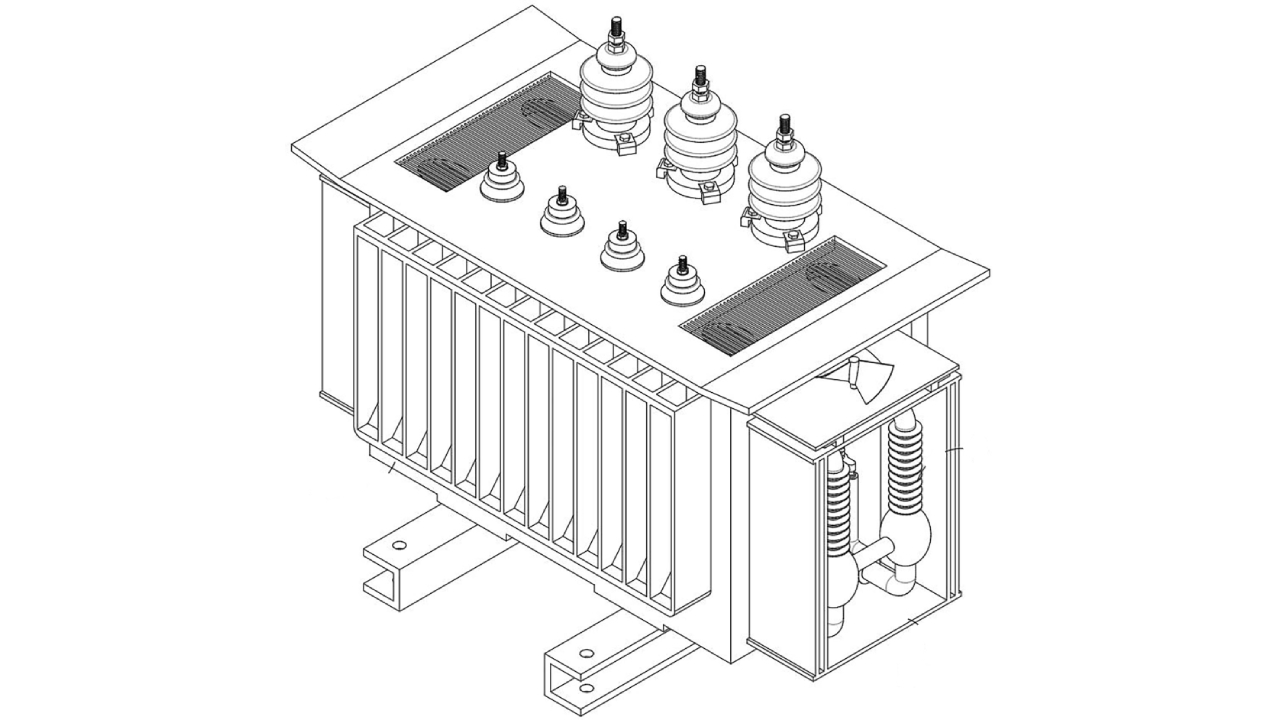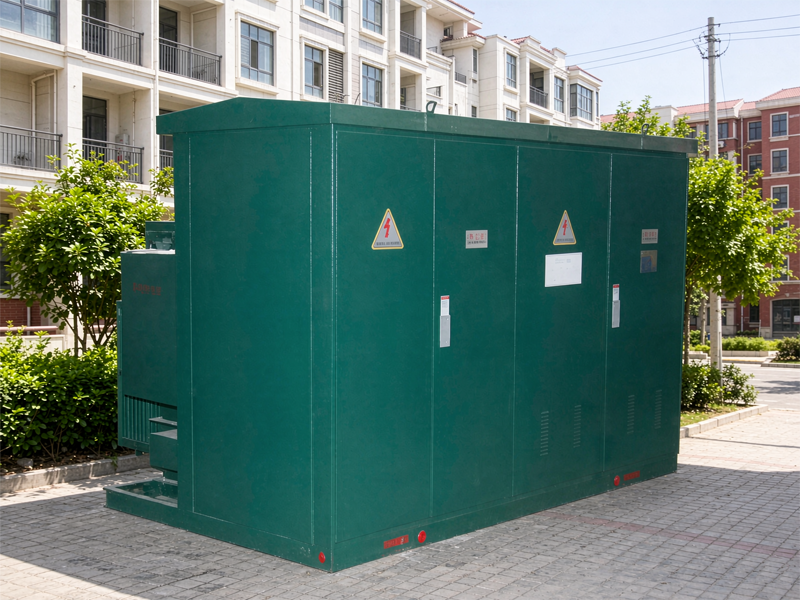
Transformers are essential equipment in power systems, whose main function is to change the AC voltage level to achieve efficient power transmission and distribution. During the operation of transformers, in addition to no-load losses (mainly generated by core magnetization), load losses are also an important performance indicator. Load loss, also known as copper loss or short-circuit loss, refers to the thermal energy loss generated by the current flowing through the high and low voltage winding resistors of a transformer during operation with a load.
Load loss mainly comes from two aspects:
1. The DC resistance loss of the winding conductor, which refers to the Joule heating generated by the resistance when the current passes through the winding;
2. Additional losses caused by leakage magnetic fields, including eddy current losses in windings and stray losses in metal structural components. These losses not only result in energy waste, but also raise the temperature of the transformer, affecting insulation life and operational efficiency.
Measures to reduce load loss
To reduce the load loss of transformers, the following measures can be taken:
The magnitude of load loss is proportional to the square of the load current. Therefore, when designing transformers, it is usually necessary to optimize winding materials (such as using high conductivity copper), improve insulation structures, design magnetic circuits reasonably, and use more efficient cooling systems to reduce losses. For the power system, reducing transformer load losses helps improve the overall energy efficiency of the grid, reduce operating costs, and support the sustainable development goals of low-carbon and environmental protection.
In practical applications, the measurement of transformer load loss is usually carried out through short-circuit tests. In the experiment, one side of the winding is short circuited, and a rated frequency voltage is applied to the other side to pass the rated current through the winding. The measured power at this time is the load loss value. This data is of great significance for the selection, economic operation, and energy efficiency evaluation of transformers.
In short, transformer load loss is a key parameter for measuring its energy efficiency and design level. With the advancement of energy-saving technology and the improvement of energy efficiency standards, further reducing load losses has become an important direction for transformer manufacturing and power system optimization.