News

Dry-Type Transformer vs Oil-Immersed Transformer: Which One Does Your Project Really Need?

2026-03-25 0 Leave me a message

When it comes to power distribution, transformers are the backbone of every electrical system. But choosing the wrong transformer type can lead to safety risks, costly maintenance, and project delays. That is why engineers and contractors worldwide ask themselves one critical question: should I choose a dry-type transformer or an oil-immersed transformer?


The answer depends entirely on your application, environment, and budget. Let us break it down in detail.


How Do Dry-Type Transformers Work?


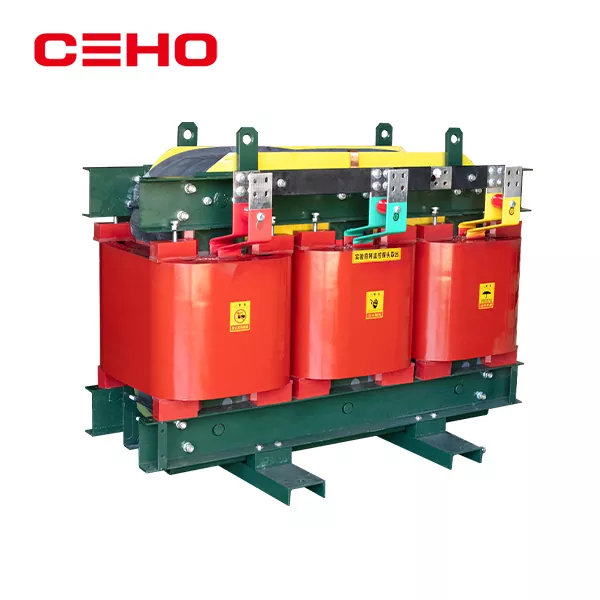
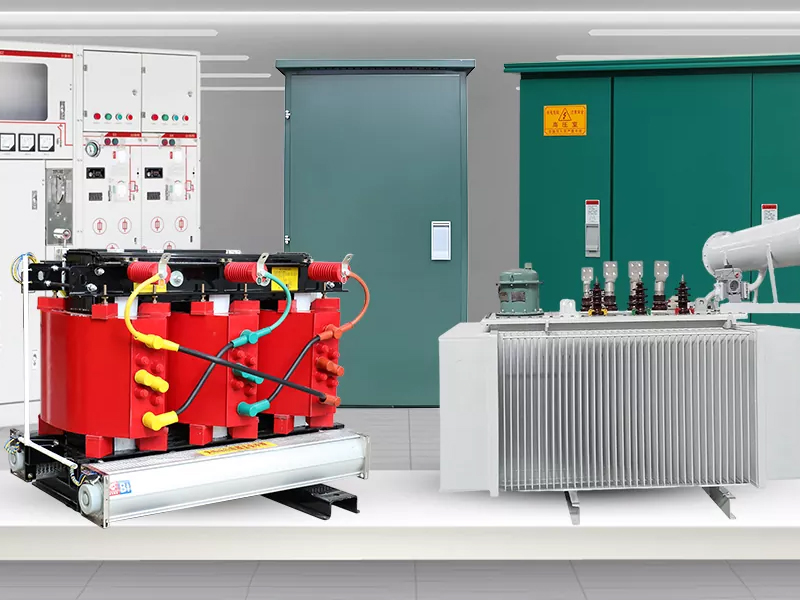
Dry-type transformers use air or epoxy resin as the cooling and insulation medium. The windings are typically encapsulated in cast resin or varnished with high-temperature insulation materials. Because there is no oil involved, dry-type transformers eliminate the risk of oil leaks, fire hazards, and environmental contamination.


These transformers are commonly used in indoor environments such as commercial buildings, hospitals, schools, shopping malls, and industrial facilities where fire safety is a top priority.


How Do Oil-Immersed Transformers Work?


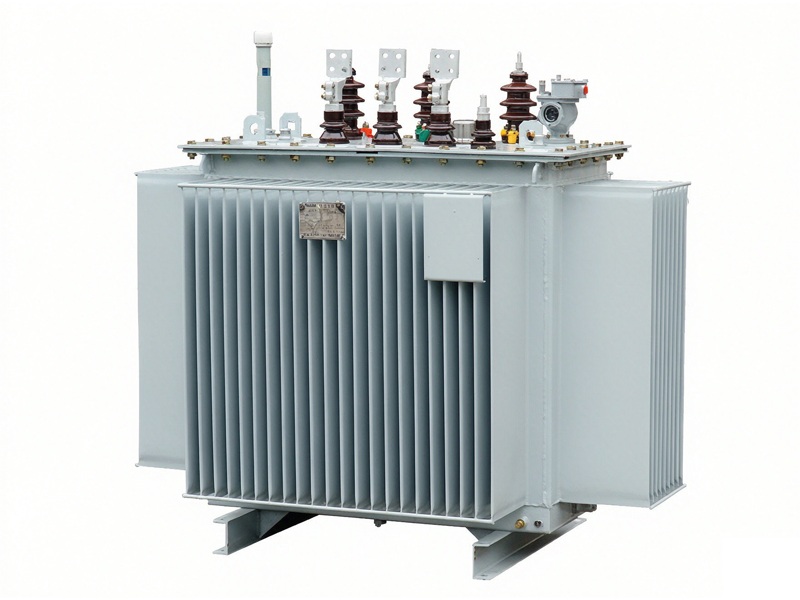
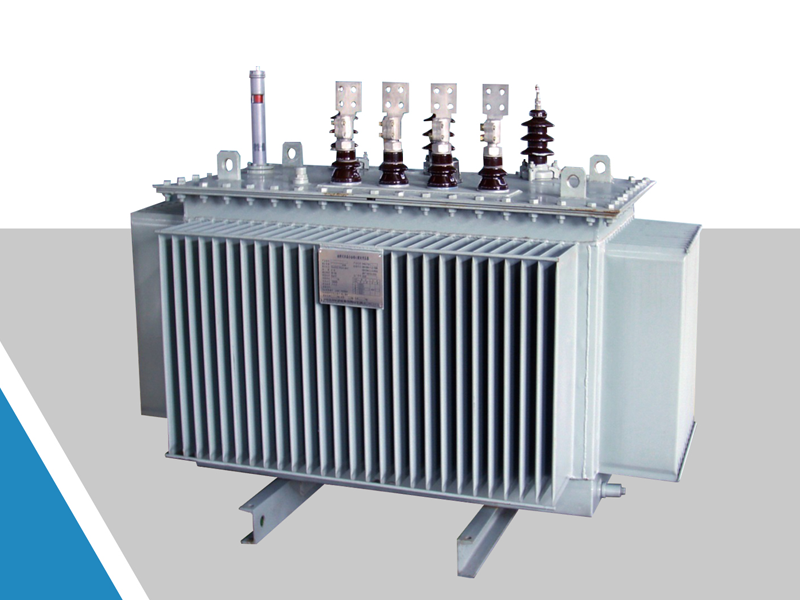
Oil-immersed transformers use transformer oil as both a cooling medium and an insulator. The core and windings are submerged in oil, which efficiently dissipates heat and provides superior dielectric strength. This allows oil-immersed transformers to handle higher loads and operate more efficiently under heavy-duty conditions.


Oil-immersed transformers are the standard choice for outdoor substations, power plants, industrial plants, and large-scale grid applications.


Key Differences at a Glance


Feature  Dry-Type Transformer  Oil-Immersed Transformer


Cooling Medium  Air / Epoxy Resin  Transformer Oil

Fire Safety  High — indoor safe  Moderate — requires fire protection

Maintenance  Low  Moderate — oil testing required

Load Capacity  Up to 10MVA  Above 10MVA

Installation  Indoor / Outdoor (sheltered)  Outdoor only

Lifespan  20-30 years  25-35 years

Cost  Higher upfront  Lower upfront


Why Choose Dry-Type Transformers?


If your project involves any of the following, dry-type transformers are the clear choice: Indoor commercial buildings and high-rise residential complexes. Hospitals and healthcare facilities where fire hazards are unacceptable. Schools, universities, and public institutions. Shopping malls and entertainment centers with high foot traffic. Underground substations and tunnels. Renewable energy projects such as solar and wind farms.


The primary advantages are fire safety, low maintenance requirements, and ease of installation in occupied buildings. Dry-type transformers from quality manufacturers like Ceho Power comply with IEC 60076 and IEEE C57.12 standards, ensuring reliable performance and international compatibility.


Why Choose Oil-Immersed Transformers?


Oil-immersed transformers are the preferred solution when: High power capacity is required (typically above 10MVA). Outdoor installation in harsh environments. Continuous operation under maximum load. Cost-effective solution for large-scale power distribution.


The superior heat dissipation of transformer oil makes oil-immersed units significantly more efficient at handling heavy loads over extended periods. This makes them indispensable for utility substations, industrial plants, and national grid infrastructure.


Understanding Transformer Specifications That Matter


Whether you choose dry-type or oil-immersed, these specifications determine real-world performance. Rated Power (kVA / MVA) defines the transformer's load capacity. Common dry-type ratings range from 50kVA to 5000kVA. Primary and Secondary Voltage must match your power system requirements (e.g., 11kV/0.4kV, 33kV/0.4kV). Vector Group Dyn11 and Yyn0 are the most common configurations for international projects. Impedance Voltage typically 4% to 6%, affecting short-circuit current levels and system stability. Insulation Class for dry-type, F-class (155°C) and H-class (180°C) are standard. For oil-immersed, Class A (105°C) is most common. Standards IEC 60076 for power transformers, IEEE C57.12 for North American compliance.


Why Source Transformers from China?


China has become the world's leading transformer manufacturing hub. Chinese manufacturers produce transformers for utilities, EPC contractors, and industrial buyers across Southeast Asia, Africa, the Middle East, Europe, and the Americas. The advantages are compelling: Competitive pricing — 30-50% lower than European or American equivalents. Full compliance — IEC 60076, IEEE C57.12, and other international standards. Flexible MOQ — Many manufacturers accept small orders for sample testing. Fast production — Lead times typically 2-6 weeks depending on specifications. Custom design — OEM and ODM services available for branded products.


Ceho Power: Your Trusted Transformer Partner


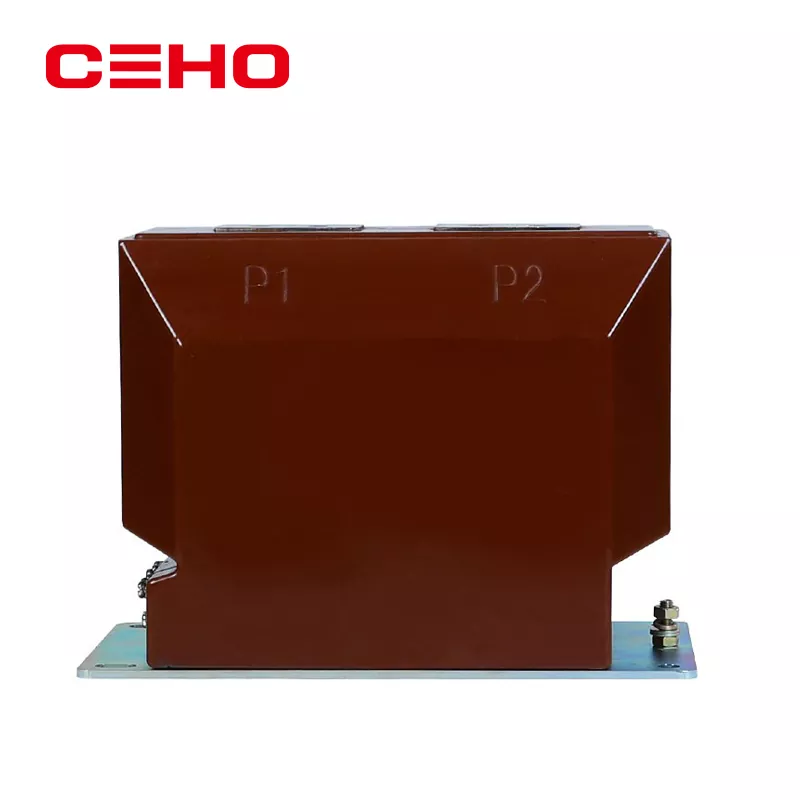
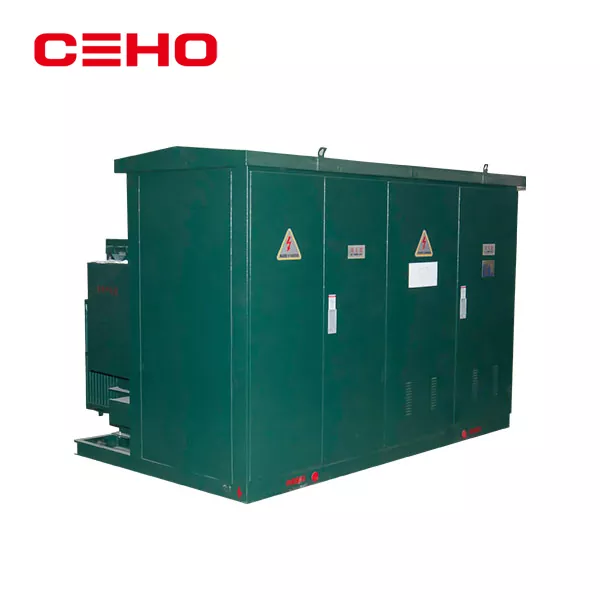
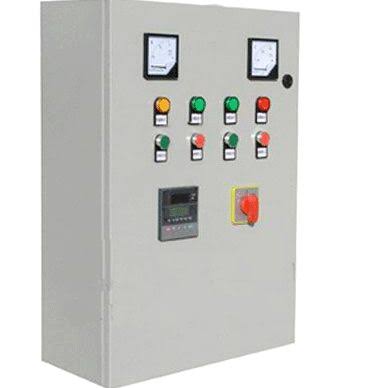
Ceho Power is a professional transformer manufacturer in China, specializing in both dry-type and oil-immersed transformers for global markets. Our product range includes: Dry-type transformers from 50kVA to 5000kVA (cast resin and varnished). Oil-immersed distribution transformers from 100kVA to 10MVA. Box-type substations (compact substations). Low-voltage and high-voltage switchgear. Instrument transformers (current transformers and voltage transformers).


All Ceho Power transformers undergo rigorous factory testing before shipment, including no-load loss measurement, load loss measurement, induced voltage test, and partial discharge test. Our quality management system is certified to ISO 9001 standards.


Get in Touch


Share your project specifications — rated power, voltage class, application environment, and destination country — and our engineering team will recommend the most suitable transformer solution. We respond to all inquiries within 24 hours.


Related News
Leave me a message
X
We use cookies to offer you a better browsing experience, analyze site traffic and personalize content. By using this site, you agree to our use of cookies. Privacy Policy
RejectAccept