News

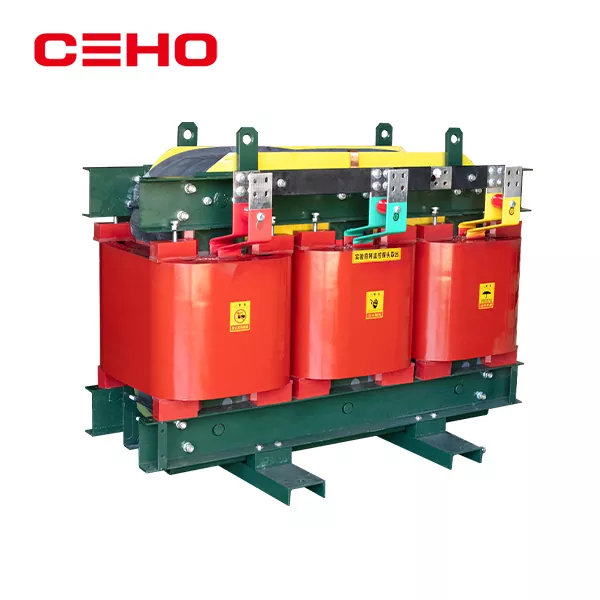
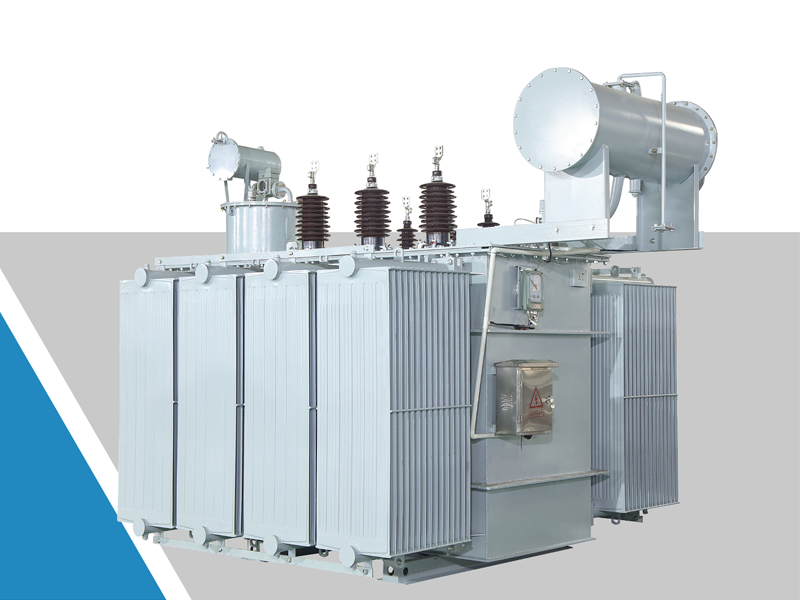
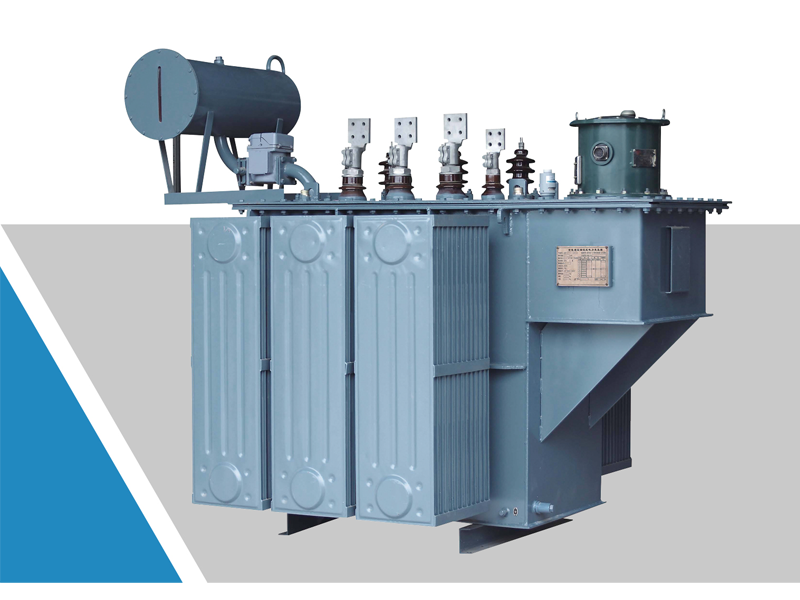
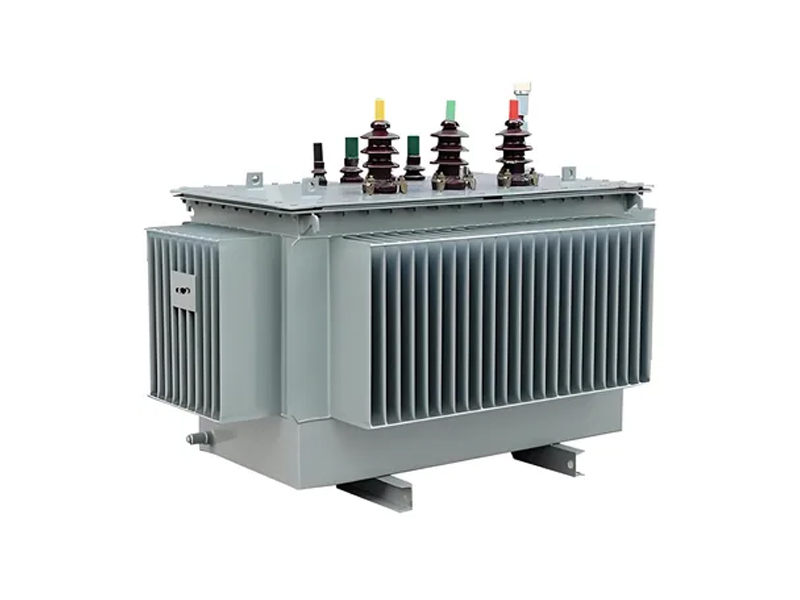
The Main Reason for Transformer Burnout

2026-04-17 0 Leave me a message


8 Main Reasons for Transformer Burnout


1. Long-term Overload Operation

When a transformer continuously operates overload, the coil temperature rises, insulation ages rapidly, becomes brittle and falls off, leading to inter-turn short circuits, and eventually burns out the transformer. Many users have increased their electricity consumption, but the transformer capacity has not been increased in time, resulting in long-term overload operation.


2. Insulation Aging and Moisture Ingress

After years of operation, the internal insulation of the transformer ages naturally and loses its insulating performance. In addition, aging and cracking of rubber beads and gaskets cause oil leakage. Once the insulating oil becomes damp, its insulation performance degrades greatly, causing discharge and short circuit faults.


3. Winding Short Circuit

In case of outlet short circuit, the huge electrodynamic force generated by the short-circuit current will instantly twist and deform the windings and break down the insulation. When an internal winding short circuit occurs, the electric arc rapidly vaporizes the insulating oil and causes a sharp surge in internal pressure, which may easily lead to transformer explosion.


4. Lightning Overvoltage

Thunderstorm seasons bring high operational risks. Lightning surges invade the transformer through overhead power lines, breaking down insulation and causing short circuits. Distribution transformers damaged by lightning account for more than 30% of all major maintenance cases.


5. Failure of Protection Devices

If fuses are not installed on the high and low voltage sides, or standard fuse elements are illegally replaced with aluminum or copper wires, the protection devices cannot operate and blow normally during low-voltage short circuits, resulting in direct transformer burnout.


6. Poor Contact of Tap Changer

Defective tap changer quality, insufficient spring pressure and poor contact between moving and static contacts will cause local overheating and electric sparks, further leading to insulation breakdown and combustion of the tap changer.


7. Unbalanced Three-Phase Load

Severe unbalanced three-phase load causes long-term overload of a single phase, which accelerates insulation aging and is one of the most common causes of transformer burnout.


8. Manufacturing Quality Defects

Unreasonable design, rough manufacturing processes and insufficient mechanical strength of windings result in inherent weak anti-impact capability. Transformers are delivered with hidden factory defects and are prone to burnout during daily operation.


How to Prevent Transformer Burnout?

Follow these four key measures to reduce the transformer burnout risk by 80%:

① Regular testing: Conduct annual insulation resistance detection and oil quality analysis to identify problems in a timely manner.

② Reasonable protection configuration: Equip standard fuses in line with specifications and replace damaged parts promptly.

③ Strengthen patrol inspection: Monitor three-phase current balance, and check oil temperature and oil level regularly.

④ Lightning protection management: Install lightning arresters in standard compliance and ensure the grounding resistance reaches the specified standard.


Transformer burnout is seldom caused by a single factor, but the superposition of multiple potential hidden dangers.


Related News
Leave me a message
X
We use cookies to offer you a better browsing experience, analyze site traffic and personalize content. By using this site, you agree to our use of cookies. Privacy Policy
RejectAccept