News

How to choose between dry-type, oil-immersed, and box-type transformers based on the type of load

2026-08-25 0 Leave me a message


I. Dry-type transformer: the first choice for “clean” loads under high safety requirements

Dry-type transformers rely on air convection for cooling, and their cores and windings are directly exposed to the air (or sealed by epoxy resin casting). Their biggest features are "flammable, self-extinguishing, and oil-free."


1. Core load portrait

  • Places with extremely high fire protection requirements: such as large commercial complexes, subways, airports, hospitals, high-rise buildings, etc. Once such a load catches fire, the consequences will be disastrous, so oil combustibles must be eliminated.
  • Precision loads with high power quality requirements: such as data centers, semiconductor manufacturing, servers and precision machine tools in large financial trading centers. Dry-type transformers (especially SCB series epoxy resin cast dry transformers) have strong short-circuit resistance and relatively low operating noise, and can effectively ensure the purity of power supply for precision loads.
  • Places with limited internal environment cleanliness: such as mines, chemical plants and other areas where corrosive gas or dust exists. The fully sealed epoxy resin cast dry deformation can effectively resist the erosion of harsh environments.


2. In-depth analysis of model selection

For the above loads, although the initial purchase cost of dry-type transformers is about 30%-50% higher than that of oil-immersed transformers of the same capacity, from the perspective of life cycle cost (LCC), its advantages of maintenance-free, no leakage, and no need to set up independent fire separation distances have greatly reduced civil construction and later operation and maintenance costs.


Summary of applicable scenarios: indoor installation, densely populated areas, where the load has high requirements for power supply continuity and the environment is relatively closed.


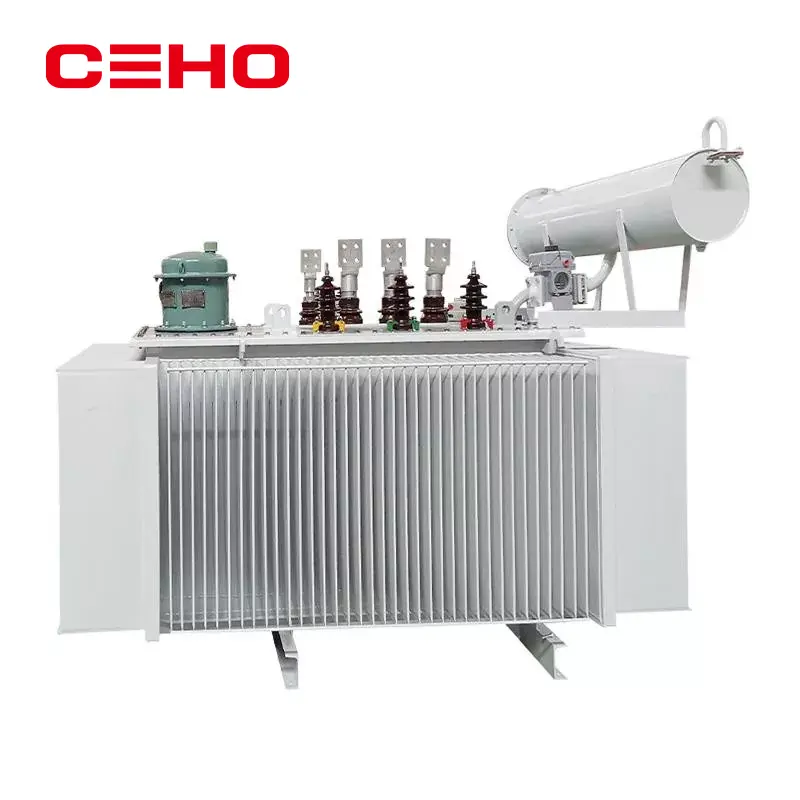
II. Oil-immersed transformer: the “endurance king” for heavy loads and outdoor scenes

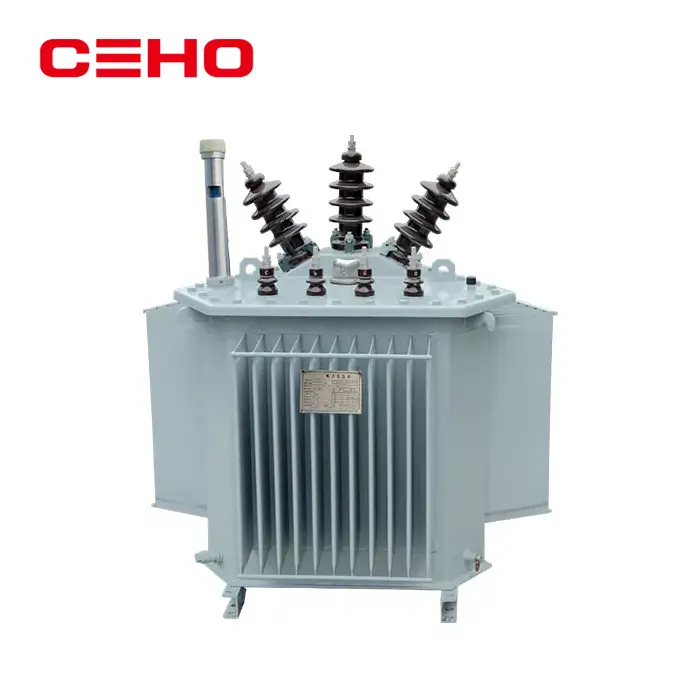
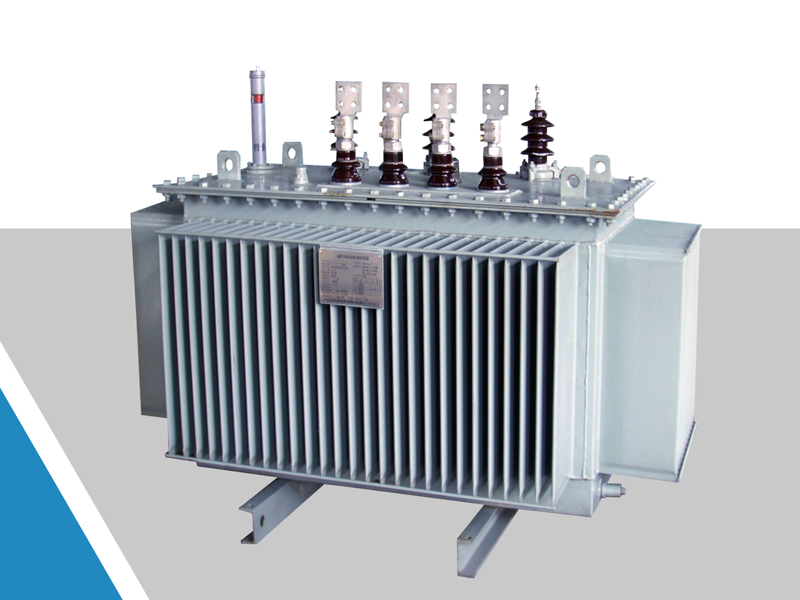
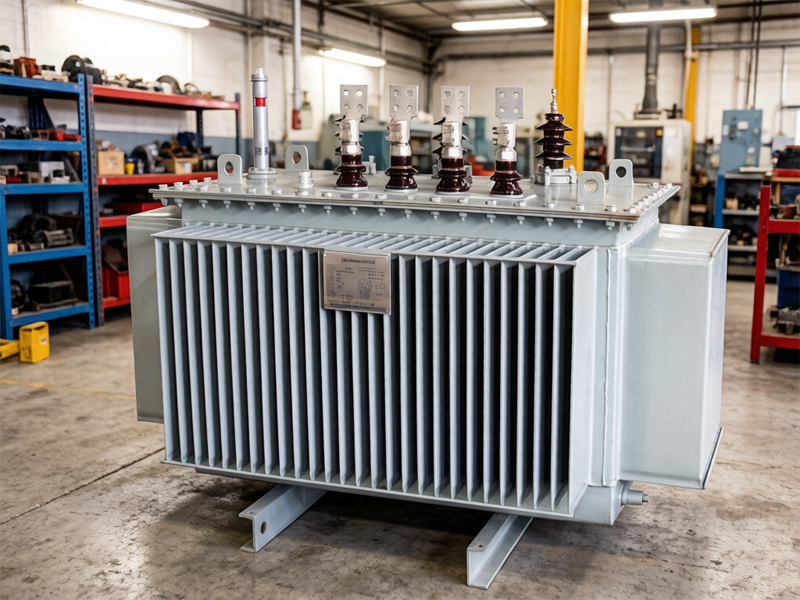
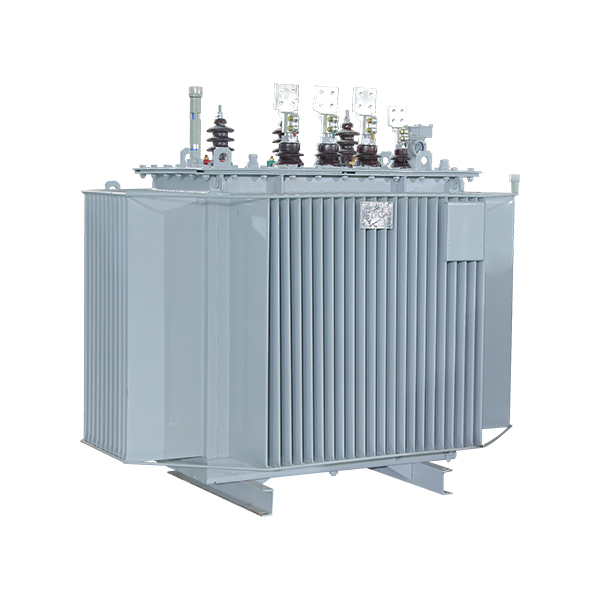
Oil-immersed transformers utilize insulating oil as cooling and insulating medium. Oil has a large specific heat capacity and high heat dissipation efficiency, which makes oil-immersed transformers have natural advantages in withstanding overload and coping with harsh outdoor weather.


1. Core load portrait

  • Outdoor heavy loads and impact loads: such as mine hoists, rolling mills in steel rolling mills, and traction power supply of electrified railways. This type of load not only has a large capacity (usually thousands of kVA or more), but is often accompanied by instantaneous large current surges. The oil-immersed heat dissipation structure can better cope with the temperature rise challenge.
  • Rural power grid and long-distance power distribution: farmland irrigation, township enterprises and other scenarios with dispersed loads and long power supply radius. Oil-immersed transformers are cheap, can withstand outdoor wind and sun, and can be operated with drop-out fuses.
  • Power loads of traditional industrial and mining enterprises: Conventional industrial loads such as large fans, water pumps, compressors, etc. are usually installed in independent outdoor substations.


2. In-depth analysis of model selection

The core advantage of oil-immersed transformers is the cost-effectiveness per unit capacity. Under heavy load conditions where the load factor is higher than 70% all year round, the loss performance of oil-immersed transformers is usually better than that of dry transformers. However, operation and maintenance costs must be considered during model selection: oil samples need to be taken regularly for chromatographic analysis, and oil storage tanks or oil retaining facilities must be set up to meet fire protection regulations.


Summary of applicable scenarios: outdoor installation, large load capacity, strong impact, and not demanding fire separation distance requirements.


III. Box-type substation: flexible and changeable "integrated" load terminal

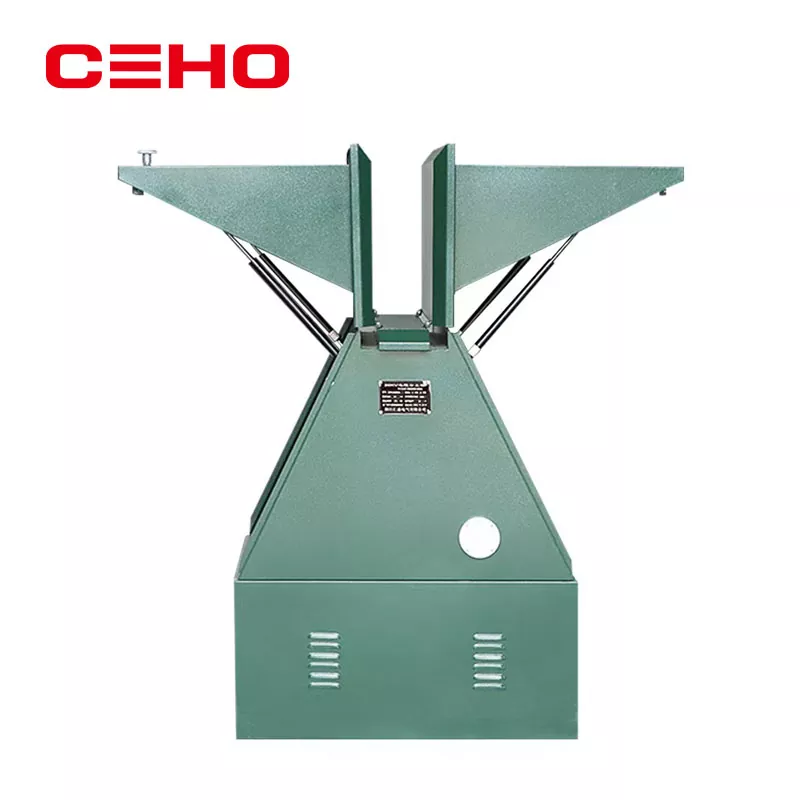
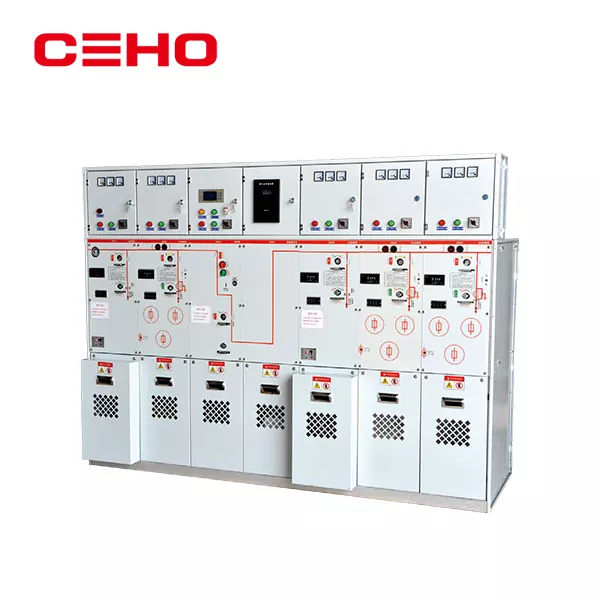
Box transformer is not a simple transformer, but a complete set of power distribution equipment that integrates high-voltage switch cabinet, transformer (oil-immersed or dry type), and low-voltage switch cabinet into a moisture-proof, rust-proof, and heat-insulated outdoor box.


1. Core load portrait

  • Temporary and mobile loads: such as tower cranes and construction equipment at construction sites, temporary power supply for large-scale sports events, and mining equipment in open-pit coal mines. The characteristic of this type of load is "use and go". The box-type transformer has plug-and-play characteristics and can be moved as a whole after the project is completed.
  • Terminal loads of urban public distribution networks: such as residential quarters, street lighting, and small commercial centers. Urban land is in short supply. Box-type transformers occupy a small area and can be disguised as landscapes, which solves the problem of difficult site selection in urban centers.
  • New energy power generation loads: such as photovoltaic power stations and wind farms. Box-type transformers are usually installed under wind turbine towers or in photovoltaic array areas, and are responsible for boosting the generated power and connecting it to the grid.


2. In-depth analysis of model selection

Choosing a box-type transformer is essentially choosing an "integrated solution." For the load side, box-type substations eliminate the need for approval and construction of civil engineering power distribution rooms (usually it only takes a few days to be put into operation). Regarding the selection of the internal transformer of the box-type transformer, if it is installed in a sparsely populated suburb or in the wild, an oil-immersed transformer is usually installed to reduce costs; if it is installed in a city center or a community with high environmental requirements, a dry-type transformer is installed.


Summary of applicable scenarios: Distribution terminals with limited site, short construction period, dispersed load or temporary nature.


IV. Load-oriented selection decision

In order to assist decision-making more intuitively, we can establish the following selection table based on different load attributes:


Payload key attributes Recommended plan Selection logic core
Dense personnel, indoor installation Dry type transformer Fire and explosion proof, maintenance-free and no oil pollution.
Heavy load, outdoor operation all year round Oil-immersed transformer Good heat dissipation, strong overload capability, and low life cycle cost.
Impact load (rolling mill, welding machine) Oil-immersed transformer Oil has large thermal inertia and can buffer instantaneous temperature rise.
Temporary construction, strong mobility Box type substation It is quick to install and can be moved as a whole without building a house.
Urban communities and commercial centers Box type substation It occupies a small area and is beautiful, solving the problem of difficult site selection.
Precision electronics, data center Dry type transformer High power supply stability and strong short circuit resistance.
New energy (photovoltaic/wind power) Box type substation It is adaptable to the wild environment, has high integration and is easy to connect to the grid.


V. Advanced selection suggestions: Amorphous alloys and energy efficiency considerations

After determining the transformer type, the selection can be further optimized for specific load types:

1. For loads in residential areas with large load fluctuations day and night: it is recommended to use amorphous alloy dry-type or oil-immersed transformers. The low no-load loss characteristics of amorphous alloy can significantly reduce reactive power loss during low load periods at night and achieve energy saving and consumption reduction.


2. For industrial loads that operate at full load throughout the year: priority should be paid to load loss (Pk) and conventional silicon steel sheet transformers with higher energy efficiency levels (such as SCB18 or S22 series) should be selected, because the load loss at this time is much greater than the no-load loss.


Conclusion

There is no absolute "optimal solution" for transformer selection, only the "optimal solution" that is most suitable for a specific load. Dry-type transformers win in "safety", oil-immersed transformers win in "stability", and box-type transformers win in "fastness". In actual projects, engineering and technical personnel should go beyond a single equipment price comparison and return to the operating characteristics of the load itself and the on-site environmental constraints to make rational decisions that are both in compliance with safety regulations and economically beneficial.


Related News
Leave me a message
X
We use cookies to offer you a better browsing experience, analyze site traffic and personalize content. By using this site, you agree to our use of cookies. Privacy Policy
RejectAccept