English
- English
- Español
- Português
- русский
- Français
- 日本語
- Deutsch
- tiếng Việt
- Italiano
- Nederlands
- ภาษาไทย
- Polski
- 한국어
- Svenska
- magyar
- Malay
- বাংলা ভাষার
- Dansk
- Suomi
- हिन्दी
- Pilipino
- Türkçe
- Gaeilge
- العربية
- Indonesia
- Norsk
- تمل
- český
- ελληνικά
- український
- Javanese
- فارسی
- தமிழ்
- తెలుగు
- नेपाली
- Burmese
- български
- ລາວ
- Latine
- Қазақша
- Euskal
- Azərbaycan
- Slovenský jazyk
- Македонски
- Lietuvos
- Eesti Keel
- Română
- Slovenski
- मराठी
- Srpski језик

From silicon steel sheets to windings: an inventory of the core processes that determine transformer quality
Transformers are the "heart" of power transmission and distribution systems, and their manufacturing quality directly determines the safety of power grid operations, system stability and long-term operating life. The birth of a high-quality transformer is not a simple assembly of parts, but a systematic project involving materials science, precision machinery and electrical engineering. From basic silicon steel sheets to complex winding assembly, every core process link contains extremely high technical barriers, which together create the excellent quality of the product.
Silicon steel sheets: microscopic “surgery” that lays the foundation for energy efficiency
The iron core is the core of the magnetic circuit of the transformer, and the oriented silicon steel sheet is the basic material for building this core. In order to pursue the ultimate low loss and high energy efficiency, the material selection and processing of silicon steel sheets in modern transformer manufacturing can be called a high-precision "minimally invasive surgery." Traditional transformers mostly use silicon steel sheets with a thickness of 0.23 mm to 0.30 mm, but now, the industry is evolving towards thinner specifications. For example, ultra-thin oriented silicon steel sheets with a thickness of only 0.20 mm or even 0.15 mm can greatly increase the proportion of easily magnetized structures inside and significantly reduce no-load losses. However, thinning silicon steel sheets places stringent requirements on the manufacturing process, requiring simultaneous optimization of hundreds of key technical points throughout the entire process and precise control of the low-temperature nitriding and high-temperature annealing processes. In addition, during the core stacking stage, precision blanking is carried out through CNC cutting lines and the stepped staggered stacking process is adopted to minimize magnetic flux distortion, eddy current loss and operating noise, thereby laying a solid physical foundation for the efficient operation of the entire transformer.
Winding winding: meticulous “handmade art” and intelligent control
If the core is the skeleton of the transformer, then the windings are its electrical heart. The accuracy of the winding directly determines the voltage stability and thermal performance. Although automated winding equipment has become popular, the manufacturing of complex structural coils such as UHV still requires manual intervention by experienced craftsmen. Thousands of meters of conductors need to be wound layer by layer, with extremely strict tolerance requirements on position, size, tightness and gaps. The mature winding process can accurately control the tolerance between the two layers of wires within 1 mm, which requires the operator to be precise with every hammering force and every layer of insulation paper wrapped. At the same time, modern production lines have also introduced AI algorithms and online monitoring systems to intelligently control wire tension and inter-turn alignment to ensure high consistency and insulation reliability in mass production.

Insulation treatment and final assembly: giving equipment long-term vitality
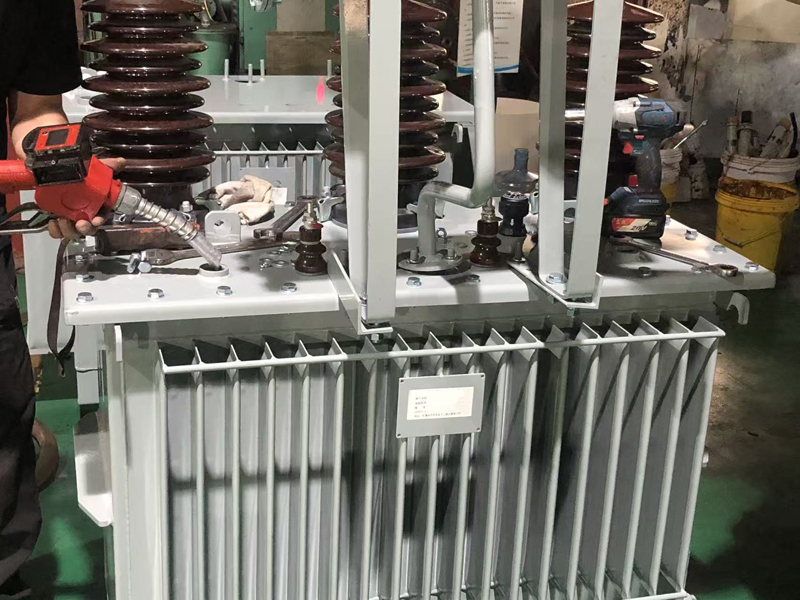
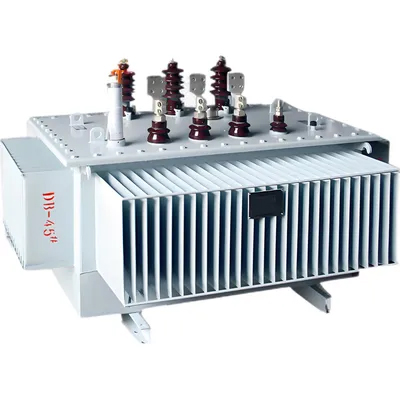
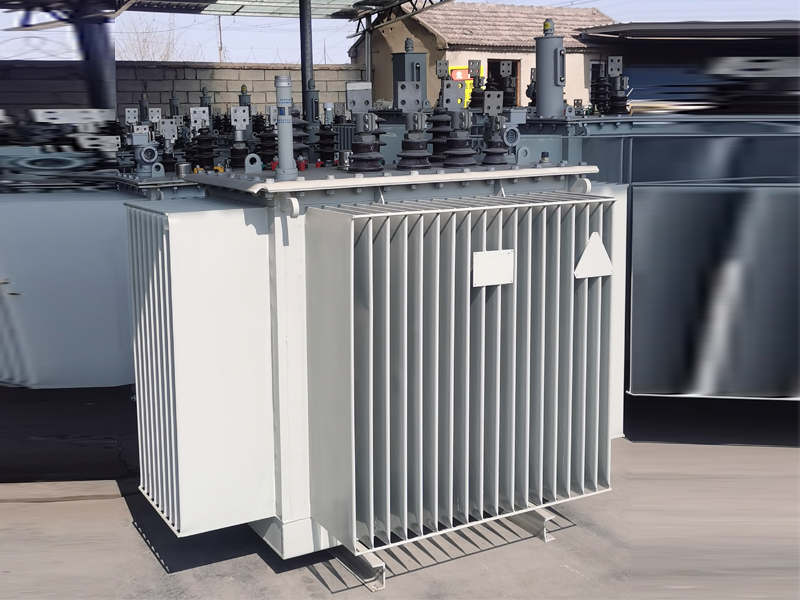
The insulation system is the lifeline for the long-term reliable operation of the transformer. After the winding is completed, it must be assembled with the core with high precision to ensure a stable electrical connection and minimized contact resistance. The entire body then undergoes a vacuum drying process under controlled conditions to completely remove moisture from the insulating paper and structural components. For different types of transformers, subsequent processing has different priorities: oil-immersed transformers need to undergo strict vacuum oil filling and sealing treatments to ensure the dielectric strength of the insulating oil; dry-type transformers are cast with vacuum epoxy resin to form solid insulation with high mechanical strength and thermal stability. This reasonable insulation structure design can effectively suppress partial discharge and greatly extend the service life of the equipment.
Rigorous testing: the ultimate “physical examination” before leaving the factory
Each transformer must undergo a series of nearly rigorous factory tests before delivery. This not only includes conventional turns ratio measurement, insulation resistance testing and load loss evaluation, but also requires lightning impulse tests and partial discharge tests for high-voltage and large-capacity products to verify their ability to withstand extreme overvoltage conditions and whether there are minor internal defects. Only products that have passed these comprehensive inspections can be allowed to wear anti-corrosion coatings, affix nameplates, and eventually go to every corner of the power grid.
To sum up, high-quality transformers are the product of a perfect combination of advanced materials, precision technology and strict quality control. From the microstructure control of silicon steel sheets, to the excellence of winding winding, to the flawless insulation treatment, it is the interlocking of these core processes that ensures the long-term, safe and efficient operation of the power system.
Related News
- Start by Choosing the Right JXF
- SG(B)10-10KV environmentally friendly dry-type transformer: How to deliver safe and green answers under non-encapsulated structure?
- What are the hazards of transformer overload operation? How to carry out real-time load monitoring?
- How can oil immersed transformers achieve future green development in the context of "dual carbon"?
- What does the internal structure of a dry-type transformer look like when disassembled?
- How to choose between power cabinet and lighting distribution box?
Leave me a message