English
- English
- Español
- Português
- русский
- Français
- 日本語
- Deutsch
- tiếng Việt
- Italiano
- Nederlands
- ภาษาไทย
- Polski
- 한국어
- Svenska
- magyar
- Malay
- বাংলা ভাষার
- Dansk
- Suomi
- हिन्दी
- Pilipino
- Türkçe
- Gaeilge
- العربية
- Indonesia
- Norsk
- تمل
- český
- ελληνικά
- український
- Javanese
- فارسی
- தமிழ்
- తెలుగు
- नेपाली
- Burmese
- български
- ລາວ
- Latine
- Қазақша
- Euskal
- Azərbaycan
- Slovenský jazyk
- Македонски
- Lietuvos
- Eesti Keel
- Română
- Slovenski
- मराठी
- Srpski језик

The secret of the transformer: How it changed our world?
In every corner of today's world, electric energy is like the blood of modern society, flowing silently in every inch of our lives. From the charging of mobile phones at fingertips to the roar of machines in factories, behind every flow of electricity there is an unknown "invisible hero" - the transformer. As the "energy transfer station" of the power system, although it looks simple, it has completely changed the way humans obtain and use energy and quietly changed our world by virtue of its exquisite scientific principles.
Evolution across a century: from scientific experiment to grid cornerstone
The transformer was not born out of thin air. Its evolutionary history is a condensed history of the electric power revolution. As early as 1831, the British scientist Faraday discovered in an experiment that when the left coil was energized, the ammeter of the right coil would deflect immediately. This device, called the "inductor ring", is the prototype of the transformer. However, at that time, it was only a physical teaching tool used by scientists to demonstrate the principle of "electromagnetic induction" and was not given practical use.
What really brought transformers from the laboratory to reality was the famous "War of Currents" in the 1880s. At that time, Edison tried his best to promote direct current, but direct current could not change voltage efficiently, resulting in huge losses in long-distance transmission. Power plants could only be built in crowded urban centers. The alternating current camp, represented by Tesla and Westinghouse, relies on the "secret weapon" of the transformer to achieve flexible voltage increase and decrease. In 1885, engineer William Stanley built a practical transformer with a closed E-shaped laminated core, and successfully built a complete system of "generator → voltage boost → power transmission → step down → light the lamp". This breakthrough not only allowed AC to win the final victory, but also made transformers an indispensable backbone of modern power grids.
In the following more than 100 years, transformer technology continued to iterate. From the early linear core to the efficient ring core, from ordinary steel sheets to silicon steel sheets, amorphous alloy materials, and now to the intelligent transformers that adapt to the needs of new energy sources such as photovoltaics and wind power, it has always been quietly evolving and supporting.
Contactless energy magic: the dance of electricity and magnetism
The most amazing thing about a transformer is that it does not have any rotating or frictional parts inside, yet it can transmit huge amounts of energy across space. All this stems from the principle of "electromagnetic induction".
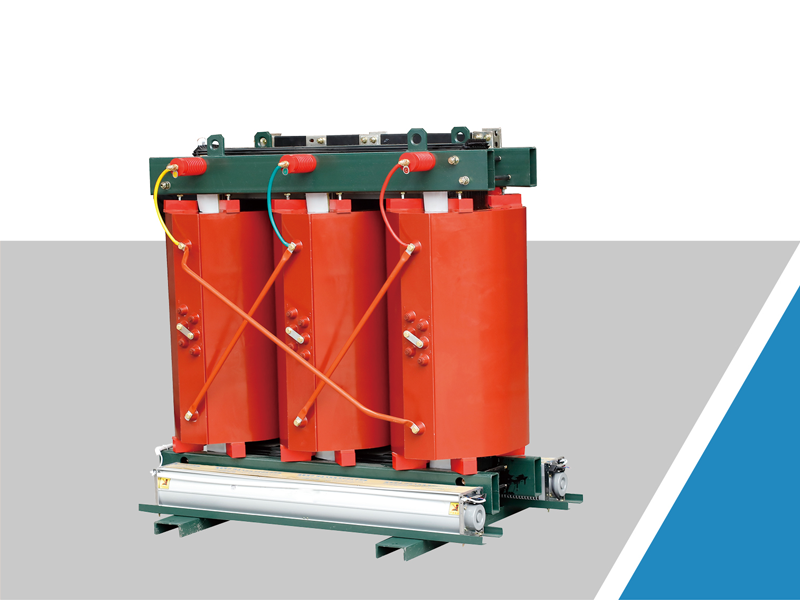
Its core structure mainly consists of three parts: the first set of coils (primary winding), the middle iron core, and the second set of coils (secondary winding). When alternating current enters the first set of coils, it will generate a constantly changing magnetic field around it; the iron core acts like a conduit, accurately guiding these magnetic fields to the second set of coils; after the second set of coils senses the changing magnetic field, it will generate current again.
So how does voltage change? This depends on the ratio of the number of turns in the two sets of coils. If the number of turns of the second group of coils is much less than that of the first group, the output voltage will be significantly reduced; otherwise, it will increase. This simple, reliable and efficient conversion method is the physical basis for transformers to change the world.
Solving the Power Transmission Problem: From Power Plants to Homes
The working principle of a transformer is based on the basic law of electromagnetic induction. When alternating current passes through the primary coil, it generates a changing magnetic field in the iron core, which then induces a voltage in the secondary coil. By adjusting the ratio of turns in the primary and secondary windings, a transformer can step up or step down the voltage with little change in the power delivered.
This simple principle holds enormous power. In power plants, transformers step up the generated voltage to hundreds of thousands of volts in order to significantly reduce energy losses during transmission over long distances. As the power approaches cities and villages, another set of transformers gradually reduces the high-voltage power to a safe voltage suitable for homes and businesses.
Before the popularity of transformers, the transmission distance of electricity was extremely limited. The emergence of transformers has perfectly solved two core problems in power transmission:
1. Loss problem in long-distance power transmission: When electric energy is transmitted in wires, huge waste will occur due to resistance heating. Physics tells us that the higher the voltage, the smaller the current and the lower the line losses. Therefore, the electricity generated by the power plant will pass through the step-up transformer to increase the voltage to hundreds of thousands or even millions of volts. It will reach the edge of the city across thousands of mountains and rivers, just like taking an "electric high-speed rail".
2. Safety adaptation issues for terminal electricity consumption: Although ultra-high voltage electricity is suitable for long distance travel, it must not enter the home directly. When high-voltage electricity reaches the city, the transformer in the substation will act like a "pressure reducing valve" to reduce it step by step. Finally, through the community or roadside distribution transformer.
Without transformers, the electrical revolution may never have realized its true potential. Before the popularity of transformers, the direct current system limited the transmission distance of power, and power plants had to be built within a few kilometers of the power consumption area. In the 1880s, the alternating current system promoted by George Westinghouse and Nikola Tesla relied on the key technology of transformers to finally defeat Thomas Edison's direct current system.
This victory is not just a choice of technical route, it lays the foundation for the modern power grid. Transformers enable remote areas to be connected to the grid, allowing electricity to be transmitted from remote hydropower stations, wind farms and solar farms to urban centers thousands of kilometers away. It breaks the geographical restrictions of energy and makes resource distribution more equitable and efficient.
The silently guarded "power family"
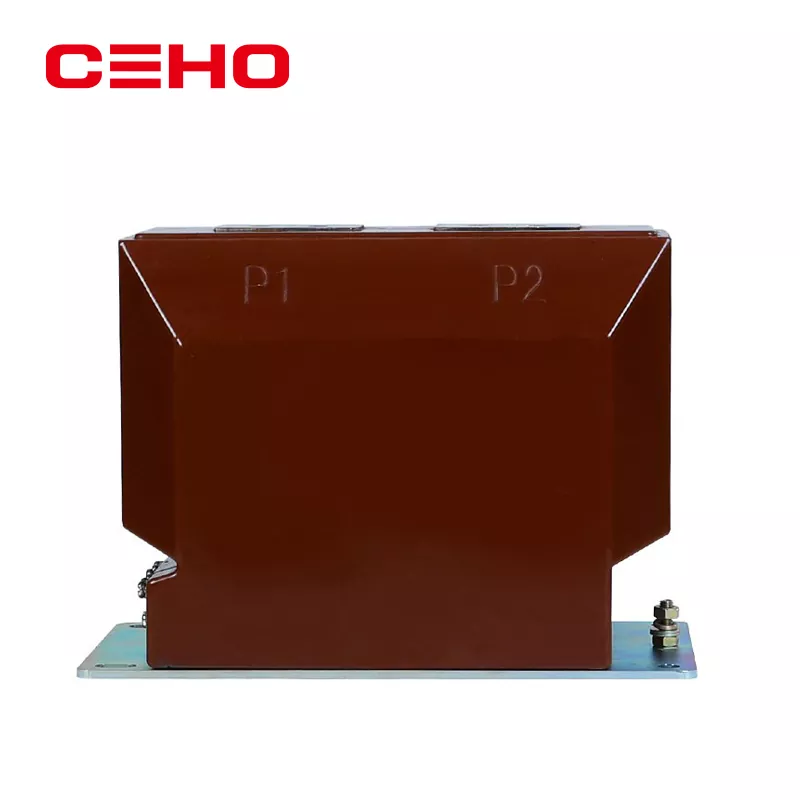
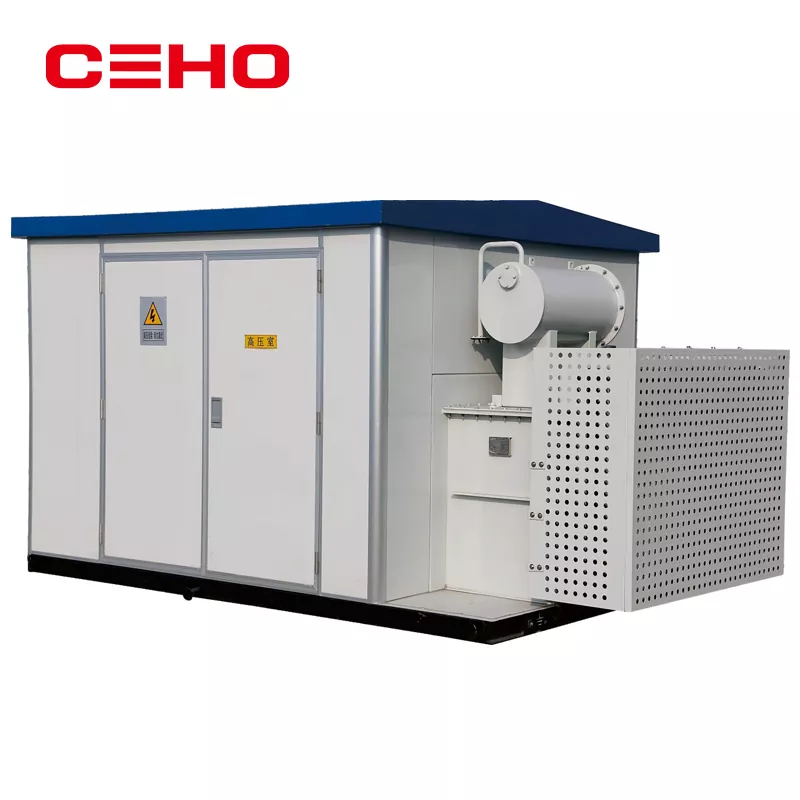
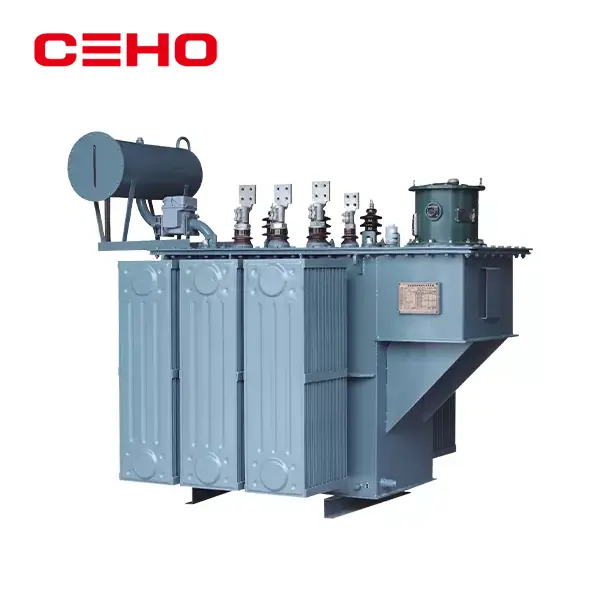
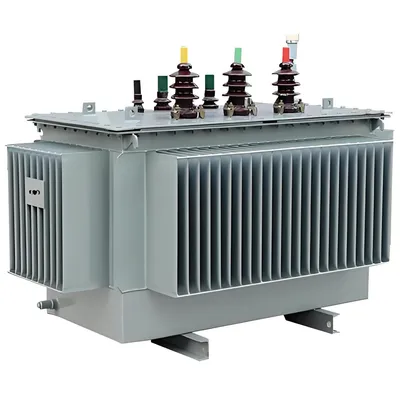
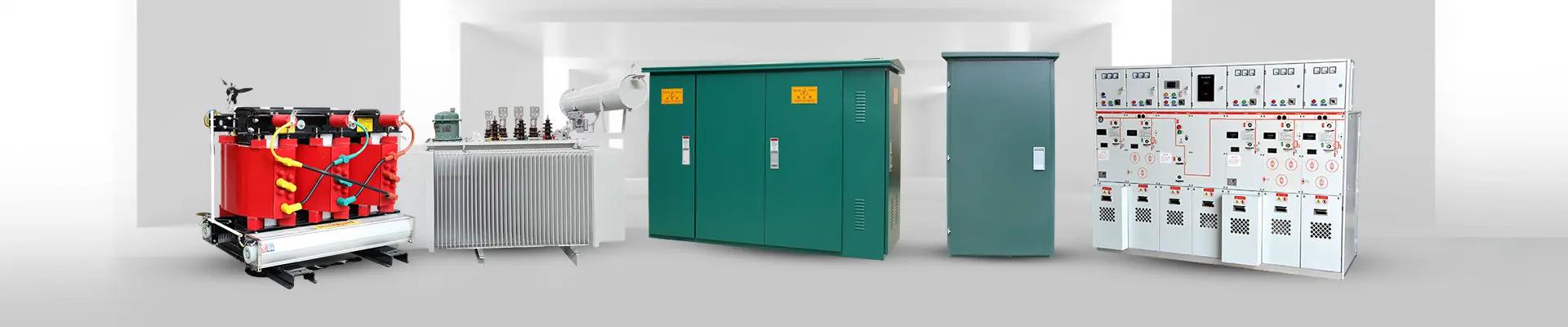
Although the working principle is the same, transformers have evolved into various forms in order to adapt to different environments. The common box-shaped objects we see on the roadside are usually "oil-immersed transformers". The insulating oil inside can both insulate and dissipate heat like coolant. In the basements of office buildings or shopping malls, for fire safety, "dry-type transformers" that rely on air convection to dissipate heat are common.
In addition, what is hidden in the charging head of your mobile phone is actually a miniature version of the "electronic transformer". It uses extremely high operating frequency to reduce the huge equipment to the size of a fingernail. The "transformer" installed in the electric meter can scale down the large current into a safe signal, allowing the measuring instrument to accurately read the data.
Future-oriented changes: green, smart and extremely efficient
With the explosion of AI computing power, the popularization of new energy and the advancement of the "double carbon" goal, this "power veteran" is ushering in a new round of technological revolution. Future transformers will evolve in the following three core directions:
1. Greening: ultimate energy saving and environmental protection
In the context of "dual carbon", reducing its own energy consumption has become the primary task of transformers. In the future, super-class energy-efficiency transformers using new materials such as amorphous alloys and high-magnetic induction and low-loss silicon steel sheets will become mainstream. At the same time, in order to reduce the impact on the environment, traditional mineral insulating oil will gradually be replaced by environmentally friendly insulating media such as natural vegetable oil to achieve full life cycle green management from raw materials to recycling.
2. Intelligent: An electric heart with “self-awareness”
The transformer of the future will no longer be a silent iron lump, but will be equipped with intelligent sensors and controllers, capable of "self-perception" and "self-diagnosis". Through the Internet of Things and digital twin technology, it can monitor its own temperature, current and insulation status in real time, provide early warning of potential faults, and even automatically adjust its operating status according to changes in grid load, becoming a thinking "smart node" in the smart grid.
3. Miniaturization and high frequency: Coping with the extreme challenges of AI and new energy
Faced with the huge computing power consumption of AI data centers and the demand for 800V high-voltage fast charging of new energy vehicles, the huge size of traditional transformers has been difficult to adapt to. High-frequency transformers and solid-state transformers (SST) are accelerating to the forefront. They use wide-bandgap semiconductor technologies such as silicon carbide (SiC) and gallium nitride (GaN) to not only significantly reduce their size and weight (the volume can be reduced by more than 50%), but also increase their power supply efficiency to more than 96%, becoming the core weapon to support future computing infrastructure and new power systems.
"Green Rebirth" after Retirement: Environmentally Friendly Recycling of Transformers
When a transformer is retired honorably after serving for decades, its life journey is not over. Through refined "green dismantling", modern industry has allowed waste transformers to achieve a magnificent transformation from the "end of scrapping" to the "starting point of recycling".
Professional dismantling centers follow strict environmentally friendly procedures. First, the staff will let the scrapped transformers stand, extract all the insulating oil that is hazardous waste inside and process it centrally to prevent contamination of soil and groundwater. At the same time, special equipment will be used to recover powerful greenhouse gases such as sulfur hexafluoride (SF₆) that may be contained inside the transformers. Subsequently, the huge transformer will be dismantled in an orderly manner, and the high-purity copper windings, magnetic silicon steel sheets, aluminum heat sinks, and porcelain bushings will be accurately classified. These classified "urban minerals" can directly enter the smelting plant or remanufacturing link. Compared with mining the original ore, recycling can save up to 85% of energy. Nowadays, through precise dismantling, the value-added rate of renewable resources of used transformers can be greatly increased, truly achieving a win-win situation of environmental and economic benefits.
Conclusion: A tribute to the behind-the-scenes heroes who will never be absent
The transformer is probably one of the most unnoticed yet ubiquitous inventions of modern technology. It does not have the aura of intelligence of a computer or the dazzling innovation of the Internet, but it silently supports the infrastructure of the entire digital age. Whenever we turn on the lights at night, watch videos on our phones, or drive on electric cars, we should remember this silent device wrapped in an iron shell.
It is this seemingly simple electromagnetic device that turns electricity into a transportable, distributable, and controllable commodity, truly realizing the "democratization of energy" and making electricity no longer a luxury for a few people, but a public resource shared by all mankind.
When we think about how technology is changing the world, we tend to focus on the obvious innovations. But sometimes, real change comes from those humble basic components - like transformers, which quietly and continuously change the way energy flows, thereby reshaping the relationship between human society and energy and providing an inexhaustible source of power for modern civilization.
From lighting up the first electric lamp, to driving modern huge industrial machines, to now supporting the transformation of AI computing power and green energy, transformers have always played the role of "porters" and "translators" of electricity. Although it is silent, it uses its constantly evolving technological core to ensure our daily convenience. Next time you pass by those humming transformers, you might as well give a thumbs up to this "unsung hero" who silently protects daily electricity.
Related News
- Start by Choosing the Right JXF
- SG(B)10-10KV environmentally friendly dry-type transformer: How to deliver safe and green answers under non-encapsulated structure?
- What are the hazards of transformer overload operation? How to carry out real-time load monitoring?
- How can oil immersed transformers achieve future green development in the context of "dual carbon"?
- What does the internal structure of a dry-type transformer look like when disassembled?
- How to choose between power cabinet and lighting distribution box?
Leave me a message
New Products