News

Classification and Industrial Application Scenarios of Transformers

2026-04-14 0 Leave me a message


Classification and Industrial Application Scenarios of Transformers

Transformers are static electromagnetic devices that convert alternating voltage and current through electromagnetic induction, enabling safe, efficient, and flexible power transmission, distribution, and utilization. They are core equipment in power systems and industrial production, supporting energy delivery, equipment protection, and process stability. This article systematically classifies transformers by function, cooling method, phase number, and application, and elaborates on their typical industrial scenarios to clarify their value in modern industry.


Classification of Transformers

1. Classification by Function and Application

· Power Transformers: Divided into step-up, step-down, and distribution transformers. Step-up transformers boost voltage in power plants for long-distance transmission to reduce line losses. Step-down transformers reduce high-voltage grid power to medium voltage for industrial and urban networks. Distribution transformers further step down to 0.4kV for end-users, widely used in factories, communities, and commercial buildings.

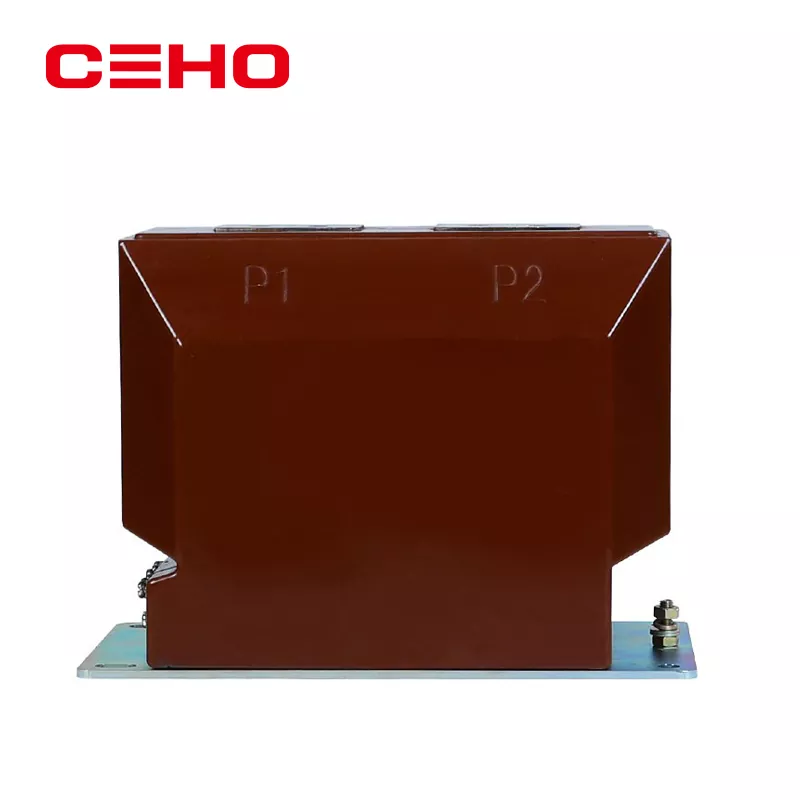
· Special Transformers: Customized for harsh or special working conditions, including electric furnace transformers for steelmaking, rectifier transformers for electrolysis and electroplating, welding transformers for arc welding, traction transformers for rail transit, isolation transformers for electrical safety, and instrument transformers for measurement and protection.

· Control Transformers: Provide stable low-voltage power for control circuits, relays, and contactors, ensuring reliable operation of automation systems.


2. Classification by Cooling Method

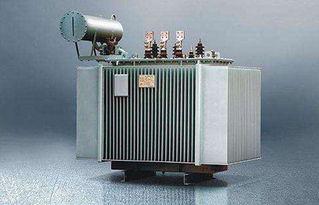
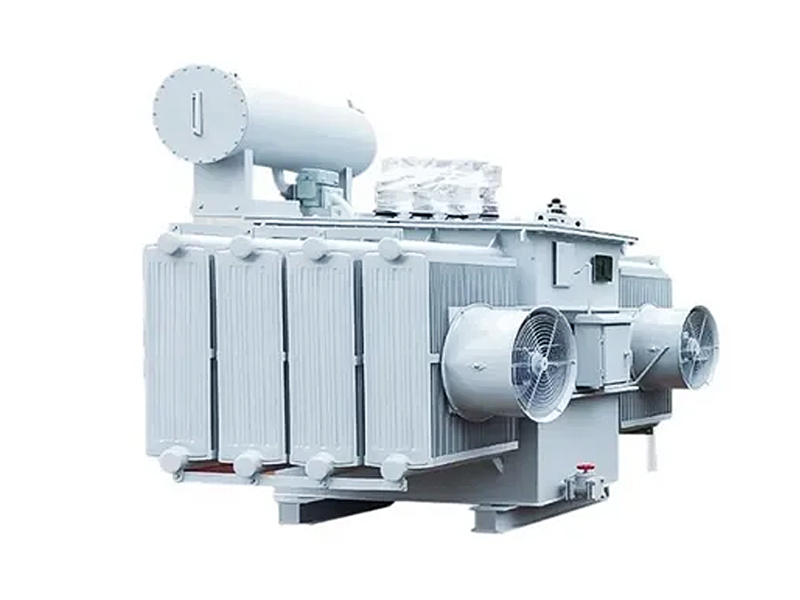
· Oil-Immersed Transformers: Insulated and cooled by mineral oil, with high capacity, low cost, and strong overload capacity. Suitable for outdoor substations, large industrial plants, and power grids. Forced oil circulation cooling supports extra-high voltage and large-capacity units.

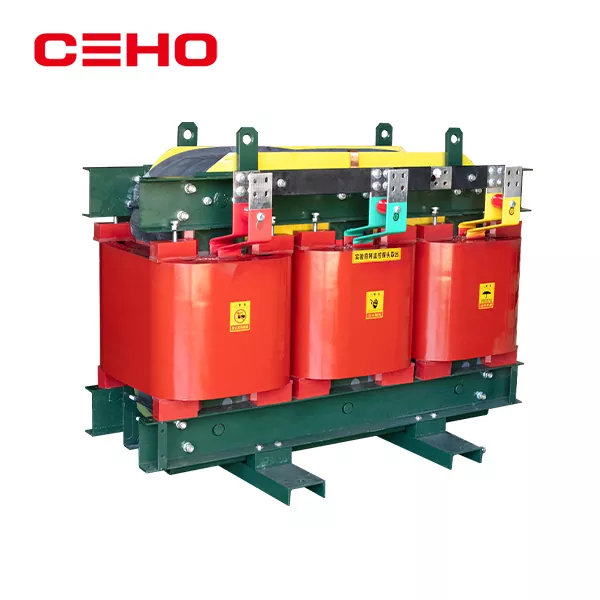
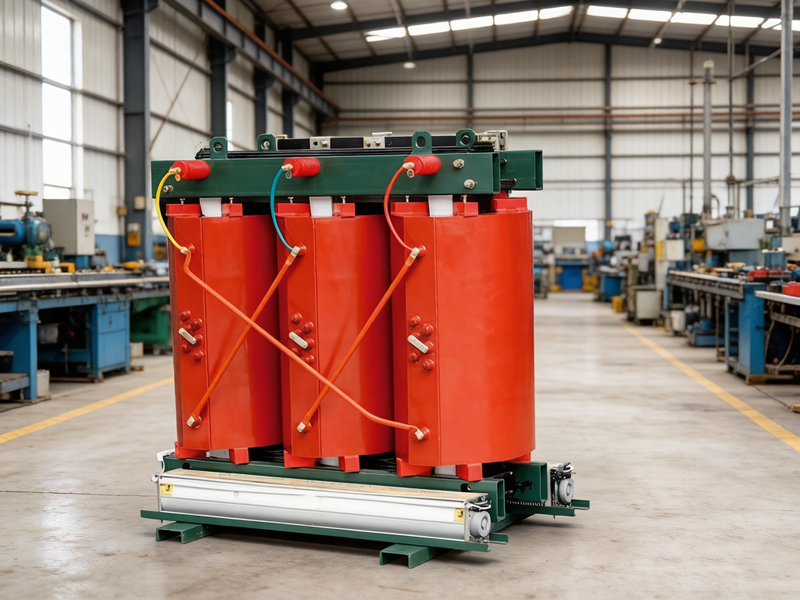
· Dry-Type Transformers: Adopt cast resin or air insulation, featuring fire resistance, explosion protection, and low maintenance. Ideal for indoor, high-safety places such as data centers, hospitals, subways, high-rises, and underground substations.

· Evaporative Cooling Transformers: Use fluoride-based media for high-efficiency heat dissipation, suitable for high-power density and limited-space scenarios.


3. Classification by Phase Number

· Single-Phase Transformers: For single-phase power systems, small-capacity loads, residential electricity, and electronic equipment.

· Three-Phase Transformers: Core of three-phase power grids, with high efficiency, compact structure, and low loss. Dominant in power transmission, industrial power supply, and large factories.


4. Classification by Core Material

· Silicon Steel Core Transformers: Traditional type with mature technology and low cost, widely used in general power and distribution scenarios.

· Amorphous Alloy Transformers: Ultra-low no-load loss, energy-saving, suitable for long-running distribution networks, industrial parks, and green buildings.


Typical Industrial Application Scenarios

1. Electric Power Industry

Power transformers are the backbone of generation, transmission, and distribution. Step-up transformers in thermal, hydro-power, nuclear, wind, and photovoltaic plants raise voltage to 110kV–1000kV for long-distance transmission. Step-down and distribution transformers feed power to industrial and residential users. Instrument transformers enable accurate metering and relay protection, ensuring grid security.


2. Metallurgical and Materials Industry

Electric furnace transformers withstand heavy impact loads and frequent short circuits in steelmaking and smelting. Rectifier transformers supply high-current DC for electrolytic aluminum, copper, and zinc, supporting efficient production. Isolation and rectifier transformers reduce harmonics and stabilize processes.


3. Manufacturing and Mechanical Processing

Distribution transformers provide 0.4kV power for motors, pumps, and machine tools. Welding transformers ensure stable arc for welding equipment. Control transformers power PLCs and sensors, supporting automated assembly lines. Isolation transformers protect precision equipment from interference and leakage.


4. New Energy and Transportation

Wind and solar farms use step-up transformers to integrate power into grids. Rail transit adopts traction transformers for catenary power supply and vehicle drive. EV charging stations rely on rectifier and isolation transformers for safe, efficient charging.


5. Data Centers and High-Rise Buildings

Dry-type transformers are preferred for fire safety and low noise, ensuring uninterrupted power for IT loads. Cast-resin units offer high reliability and easy maintenance, matching 24/7 operation requirements.


6. Mining and Harsh Environments

Mine-specific transformers feature explosion-proof, moisture-proof, and dust-tight designs, adapting to underground and heavy-load conditions. They power ventilation, transportation, and mining equipment safely.ConclusionTransformers are classified by function, cooling, phase, and core to match diverse industrial needs. Oil-immersed types excel in large-capacity outdoor scenarios; dry-type ones dominate high-safety indoor places; special types serve metallurgy, new energy, and transit. With smart grid and industrial upgrading, transformers evolve toward high efficiency, energy saving, intelligence, and environmental protection, supporting stable energy supply and sustainable industrial development.


Related News
Leave me a message
X
We use cookies to offer you a better browsing experience, analyze site traffic and personalize content. By using this site, you agree to our use of cookies. Privacy Policy
RejectAccept