English
- English
- Español
- Português
- русский
- Français
- 日本語
- Deutsch
- tiếng Việt
- Italiano
- Nederlands
- ภาษาไทย
- Polski
- 한국어
- Svenska
- magyar
- Malay
- বাংলা ভাষার
- Dansk
- Suomi
- हिन्दी
- Pilipino
- Türkçe
- Gaeilge
- العربية
- Indonesia
- Norsk
- تمل
- český
- ελληνικά
- український
- Javanese
- فارسی
- தமிழ்
- తెలుగు
- नेपाली
- Burmese
- български
- ລາວ
- Latine
- Қазақша
- Euskal
- Azərbaycan
- Slovenský jazyk
- Македонски
- Lietuvos
- Eesti Keel
- Română
- Slovenski
- मराठी
- Srpski језик

What Are Combined Transformers and Why Are They Essential for Modern Power Systems?
As power systems become increasingly compact, intelligent, and efficiency-driven, the demand for multifunctional electrical equipment continues to rise. One such innovation is the Combined Transformer, a device that integrates multiple measurement and protection functions into a single unit. Widely used in medium- and high-voltage applications, combined transformers play a critical role in ensuring accurate measurement, reliable protection, and optimized installation space.
In this comprehensive guide, we explore what combined transformers are, how they work, their advantages over traditional solutions, and why utilities and industrial operators worldwide rely on them.

Article Abstract
This article provides a detailed explanation of combined transformers, including their structure, working principles, key benefits, technical specifications, and real-world applications. It also compares combined transformers with separate current and voltage transformers, addresses common questions through an extensive FAQ section, and highlights best practices for selection and installation.
Table of Contents
- What Is a Combined Transformer?
- What Components Make Up a Combined Transformer?
- How Do Combined Transformers Work?
- Which Types of Combined Transformers Are Available?
- Why Are Combined Transformers Better Than Separate Units?
- Where Are Combined Transformers Commonly Used?
- What Are the Key Technical Specifications?
- How Should You Choose the Right Combined Transformer?
- Frequently Asked Questions About Combined Transformers
What Is a Combined Transformer?
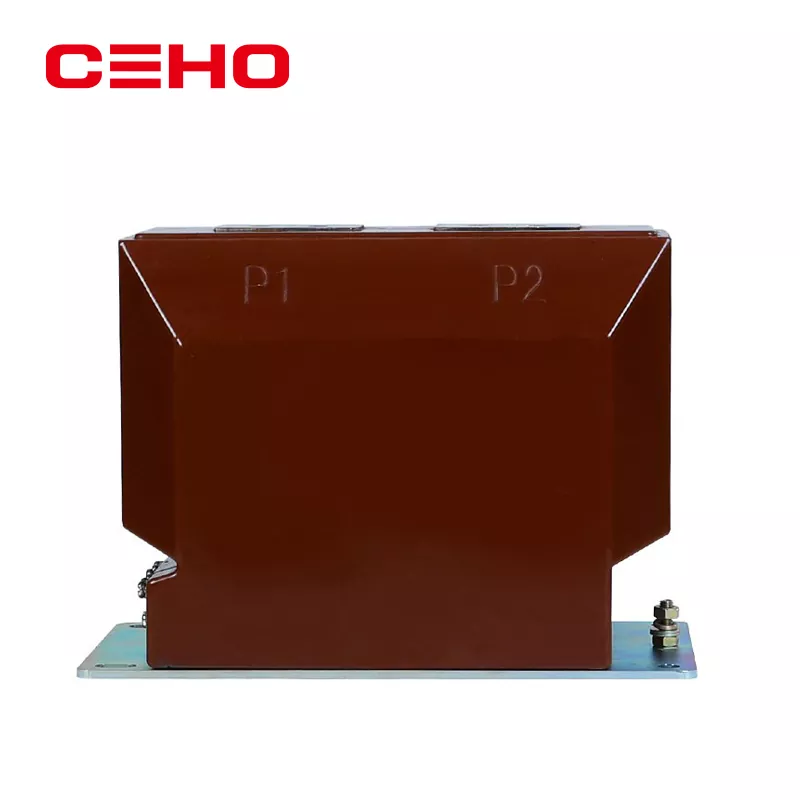
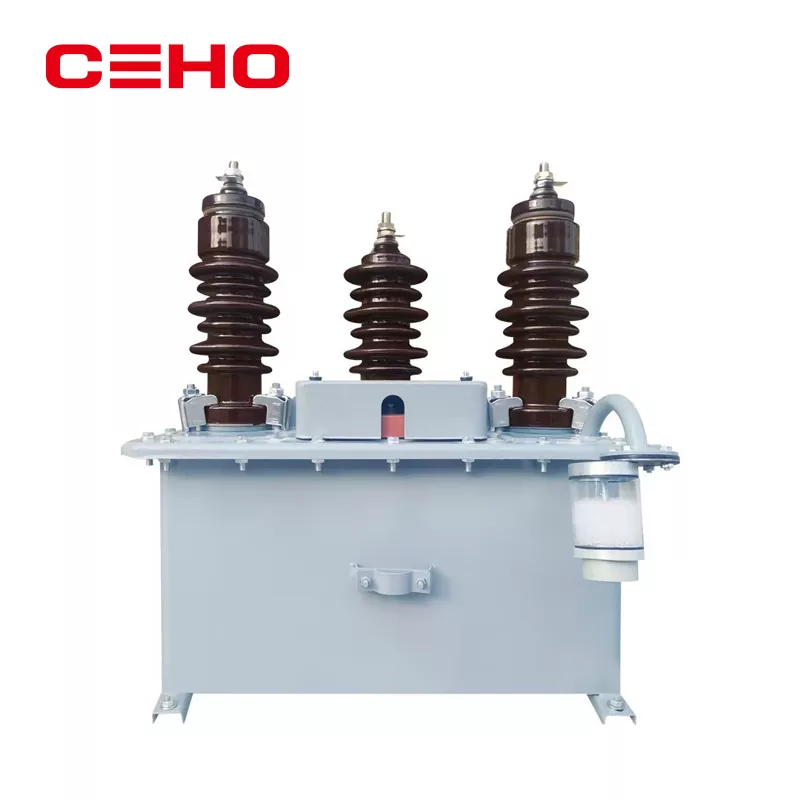
A combined transformer, also known as a combined instrument transformer, integrates a current transformer (CT) and a voltage transformer (VT or PT) into a single compact unit. Its primary purpose is to provide accurate current and voltage signals for measurement, metering, protection, and control within electrical power systems.
By combining these functions, utilities can reduce installation complexity, save space, and enhance system reliability. Manufacturers such as CEHO POWER TECHNOLOGY GROUP CO., LTD. design combined transformers to meet international standards while ensuring long-term operational stability.
What Components Make Up a Combined Transformer?
A typical combined transformer consists of several integrated components designed for performance and durability:
- Primary insulation system (oil-immersed or dry-type)
- Current transformer core and secondary windings
- Voltage transformer core and secondary windings
- Secondary terminal box
- Protective housing (porcelain or composite)
These components are engineered as a unified structure, ensuring consistent insulation coordination and reduced failure points.
How Do Combined Transformers Work?
Combined transformers operate by simultaneously stepping down high current and high voltage from the primary system to standardized secondary values suitable for meters, relays, and control devices.
The current transformer section produces a proportional secondary current, while the voltage transformer section provides a proportional secondary voltage. Both outputs are isolated from the high-voltage primary circuit, ensuring safety and measurement accuracy.
Which Types of Combined Transformers Are Available?
Combined transformers are available in various configurations depending on system requirements:
- Oil-immersed combined transformers
- Dry-type combined transformers
- Outdoor pole-mounted units
- Gas-insulated combined transformers
Each type is designed for specific voltage levels, environmental conditions, and installation methods.
Why Are Combined Transformers Better Than Separate Units?
Compared with using individual current and voltage transformers, combined transformers offer several advantages:
| Aspect | Combined Transformer | Separate CT & VT |
|---|---|---|
| Installation Space | Compact and integrated | Requires more space |
| Installation Time | Reduced | Longer |
| Maintenance | Simplified | More complex |
| System Reliability | Higher | Dependent on multiple units |
These advantages make combined transformers particularly suitable for modern substations and smart grid projects.
Where Are Combined Transformers Commonly Used?
Combined transformers are widely used across various industries and power infrastructures:
- Medium-voltage and high-voltage substations
- Power generation facilities
- Renewable energy systems
- Industrial distribution networks
- Smart grid and automation projects
For more insights into power measurement solutions, visit instrument transformer solutions.
What Are the Key Technical Specifications?
When evaluating combined transformers, engineers typically consider the following parameters:
| Parameter | Typical Range |
|---|---|
| Rated Voltage | 6 kV – 220 kV |
| Rated Current | Up to 3000 A |
| Accuracy Class | 0.2 / 0.5 / 5P / 10P |
| Frequency | 50 Hz / 60 Hz |
How Should You Choose the Right Combined Transformer?
Selecting the appropriate combined transformer requires careful consideration of system voltage, current rating, accuracy requirements, environmental conditions, and compliance with relevant standards.
Working with experienced manufacturers like CEHO POWER TECHNOLOGY GROUP CO., LTD. ensures professional technical support, customized solutions, and long-term operational reliability.
Frequently Asked Questions About Combined Transformers
What is the main purpose of a combined transformer?
The main purpose of a combined transformer is to provide accurate current and voltage measurements while reducing installation space and complexity.
Why are combined transformers used in substations?
They are used because they improve reliability, simplify wiring, and support precise protection and metering functions.
Which standards apply to combined transformers?
Common standards include IEC 61869, IEEE C57, and relevant regional utility specifications.
How long is the service life of a combined transformer?
With proper design, installation, and maintenance, combined transformers can operate reliably for 25–30 years or more.
What makes combined transformers suitable for smart grids?
Their compact design, accuracy, and compatibility with digital monitoring systems make them ideal for smart grid applications.
Related News
- Precautions and troubleshooting for installation of box type substation
- Start by Choosing the Right JXF
- SG(B)10-10KV environmentally friendly dry-type transformer: How to deliver safe and green answers under non-encapsulated structure?
- What are the hazards of transformer overload operation? How to carry out real-time load monitoring?
- How can oil immersed transformers achieve future green development in the context of "dual carbon"?
- What does the internal structure of a dry-type transformer look like when disassembled?
Leave me a message