English
- English
- Español
- Português
- русский
- Français
- 日本語
- Deutsch
- tiếng Việt
- Italiano
- Nederlands
- ภาษาไทย
- Polski
- 한국어
- Svenska
- magyar
- Malay
- বাংলা ভাষার
- Dansk
- Suomi
- हिन्दी
- Pilipino
- Türkçe
- Gaeilge
- العربية
- Indonesia
- Norsk
- تمل
- český
- ελληνικά
- український
- Javanese
- فارسی
- தமிழ்
- తెలుగు
- नेपाली
- Burmese
- български
- ລາວ
- Latine
- Қазақша
- Euskal
- Azərbaycan
- Slovenský jazyk
- Македонски
- Lietuvos
- Eesti Keel
- Română
- Slovenski
- मराठी
- Srpski језик

What Should I Do If the Oil-Immersed Transformer Leaks Oil?
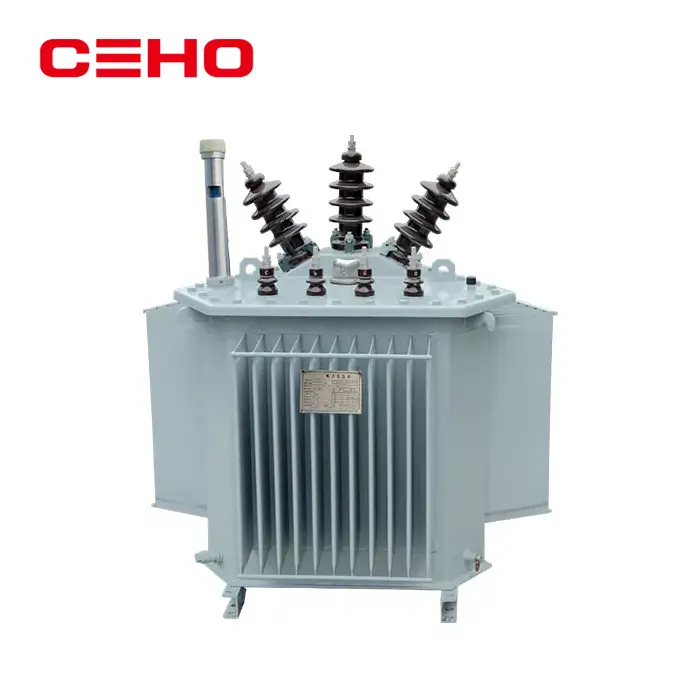
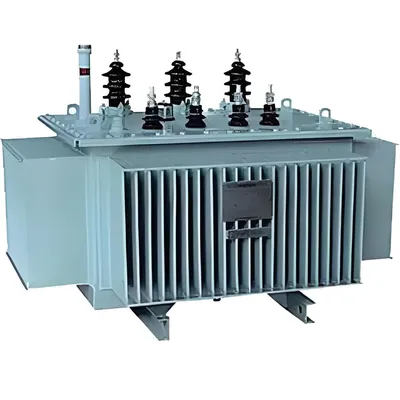
As the core equipment of the power system, oil-immersed transformers play a vital role in the power transmission and distribution process. Their stable operation is directly related to the reliable power supply of the power system. Oil leakage is one of the most common and typical defects of oil-immersed transformers. If it cannot be discovered and dealt with in time, it will not only pollute the environment and waste resources, but also cause the insulation oil level to drop, the insulation performance to decrease, and in severe cases, it may even cause major accidents such as insulation breakdown and winding burnout.
Therefore, establishing a scientific and systematic oil leakage detection and treatment plan is of great significance to ensure the long-term reliable operation of transformers.
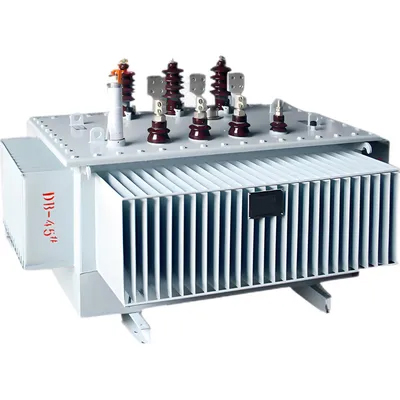
I. Importance of oil-immersed transformer
As the core equipment in the power system, oil-immersed transformers play an irreplaceable key role in the process of power transmission and distribution. It realizes the increase or decrease of voltage through the principle of electromagnetic induction, thereby meeting the demand for electric energy in different links and effectively reducing energy loss during power transmission.
In modern power systems, oil-immersed transformers are widely used in power plants, substations and distribution networks due to their easy maintenance, low cost and wide application range. Especially under high-load operating conditions, oil-immersed transformers can rely on their good heat dissipation performance and stable insulation characteristics to ensure continuous and reliable power supply for the power system. However, as power demand continues to grow, the operating pressure faced by the transformer has also increased, making its stability and safety an important prerequisite for ensuring power supply quality. Therefore, in-depth study of the operating characteristics and fault handling technology of oil-immersed transformers is of great significance for improving the overall reliability of the power system.
II. The main hazards of oil leakage from oil-immersed transformers
Before discussing detection and treatment, it is necessary to clarify the possible consequences of oil leakage:
• Decreased insulation performance: If the oil level is too low, the windings and iron core will be exposed to the air, get damp, and oxidize, resulting in a decrease in insulation strength.
• Fire hazard: Leaking transformer oil is flammable and can easily cause a fire once it comes into contact with high-temperature components or electrical sparks.
• Environmental pollution: Transformer oil contains a variety of toxic and harmful substances, which will contaminate soil and water after leakage.
• Economic losses: Frequent oil replenishment, shutdown for maintenance and failure losses will significantly increase operation and maintenance costs.
III. Common locations and causes of oil leakage in oil-immersed transformers
Common Leakage Locations Main Reasons
- Poor welding quality, stress concentration, corrosion and perforation at welds and flange connections
- Seals (gaskets, sealing rings) material aging, loss of elasticity, compression permanent deformation
- The casing cap is loose, the seal is not tight, and the internal pressure is too high
- Frequent operation of tap changer leads to wear and seal failure
- Improper installation and vibration fatigue at the connection between radiator and fuel tank
IV. Detection methods for oil leakage in oil-immersed transformers
For leaks of varying severity, a combination of routine inspections, periodic checks, and specialized testing should be used.
1. Appearance inspection method
The visual inspection method is a traditional inspection method that visually observes the external surface of the transformer to look for oil stains, oil stains and other signs of leakage. The operation process of this method is relatively simple, mainly relying on the visual observation and empirical judgment of the inspection personnel, and has high implementability in practical applications. Specifically, inspection personnel need to inspect the transformer tank, welds, flange connections and other possible leakage parts one by one, paying special attention to whether there is any oil residue or oil spread. Additionally, the visual inspection method can be combined with simple aids such as a flashlight or magnifying glass to improve identification of subtle signs of leakage. However, although this method has the advantages of simple operation and low cost, its detection accuracy is low, it is difficult to detect hidden or trace leakage problems, and it is highly dependent on the subjective experience of the inspection personnel, which may lead to misjudgment or missed detection. Therefore, visual inspection methods are often used as a preliminary screening method rather than as a stand-alone oil leak detection solution.
2. Stress testing method
The pressure testing method is a method that applies a certain pressure to the inside of the transformer and monitors the pressure changes to determine leakage. The basic principle of this method is that when there is a leakage point inside the transformer, the applied pressure will decrease due to the leakage, and the location and severity of the leakage can be analyzed through the pressure change curve. The specific operation process includes: first filling the inside of the transformer with dry air or inert gas to a predetermined pressure value, then closing the air inlet valve and continuously monitoring pressure changes. If the pressure drop rate exceeds the set threshold, it indicates the existence of leakage; on the contrary, it can be preliminarily determined that the sealing performance of the equipment is good. The pressure testing method shows high sensitivity in detecting larger leakage points, and is especially suitable for acceptance testing of newly installed or overhauled transformers. However, this method also has certain limitations, such as poor detection of small leaks or inconspicuous leaks, and the inability to accurately locate the specific location of the leak point. In addition, the implementation of the stress testing method requires professional equipment and technical support, and the operation process is relatively complex, so its practical application is often limited by scenarios.
3. Fluorescence leak detection method
Suitable for searching for small leakage points.
Principle: Add fluorescent agent to transformer oil, run for a period of time, and use ultraviolet lamp to irradiate the suspicious area. The leakage area will emit bright fluorescence.
Advantages: High sensitivity, able to locate micro infiltration points.
Disadvantages: The operation is relatively complex and requires stopping or draining the oil.
4. Ultrasonic testing method
Suitable for internal or concealed parts that cannot be visually observed.
Principle: Use ultrasonic sensors to capture specific frequency sound wave signals generated during leakage.
Advantages: Non contact, not affected by electromagnetic interference.
Disadvantages: It is greatly affected by environmental noise and requires experience judgment.
5. Infrared thermal imaging detection
Mainly used to assist in analyzing temperature abnormalities caused by leakage.
• Principle: Leakage leads to poor local oil flow or insufficient oil volume, causing abnormal temperature distribution.
• Application scenario: Comprehensive judgment combined with other means, not used as a leakage criterion alone.
V. Oil leakage treatment plan for oil immersed transformers
Adopt different treatment strategies based on the severity and specific location of the leakage.
1. Treatment of minor leaks (such as aging gaskets)
- Tighten bolts: For flange connections, tighten bolts evenly in diagonal cross order to avoid bias.
- Replace seals: Select oil resistant rubber (such as nitrile rubber, fluororubber) that is consistent with the original design material or has better performance; Clean the sealing groove to ensure no oil stains or impurities; Tighten according to the specified torque to prevent gasket damage or flange deformation caused by over tightening.
2. Treatment of weld leakage
- Oil welding repair (emergency repair only): Strictly implement the hot work permit system; Clean up the oil stains around the leakage point and isolate them with asbestos cloth; Using low current and fast spot welding to avoid burning through the box and causing oil spray.
- Oil draining and welding repair (recommended practice): Lower the oil level below the weld seam; Clean the weld joint, re weld or reinforce it; After completion, perform vacuum oil injection and sealing tests.
3. Treatment of severe leakage or structural damage
When there is extensive corrosion, cracking, or other situations:
Immediately shut down the transformer; Contact the manufacturer or professional maintenance team for evaluation.
VI. Preventive measures and maintenance recommendations
Treatment is only remedial, prevention is fundamental. It is recommended to strengthen management from the following aspects:
1. Regular inspection system: Combine daily inspections with monthly and quarterly professional inspections to establish a leakage hazard ledger.
2. Oil supervision: Regularly sample and analyze the micro-water, dielectric loss and chromatographic data of insulating oil to detect potential problems in advance.
3. Seal life management: preventive replacement of key seals according to the manufacturer’s recommended cycle (usually about 10 years).
4. Anti-corrosion treatment: Remove rust and apply anti-corrosion paint on the outer surface of the fuel tank to slow down environmental corrosion.
VII. Conclusion
Although oil leakage in oil-immersed transformers is a common defect, its potential risks should not be underestimated. By adopting a comprehensive management strategy of "prevention first, detection second, and timely handling," combined with scientific detection methods and standardized treatment processes, the risk of leakage can be effectively controlled, equipment lifespan can be extended, and strong support can be provided for the safe and stable operation of the power system.
Related News
- Start by Choosing the Right JXF
- SG(B)10-10KV environmentally friendly dry-type transformer: How to deliver safe and green answers under non-encapsulated structure?
- What are the hazards of transformer overload operation? How to carry out real-time load monitoring?
- How can oil immersed transformers achieve future green development in the context of "dual carbon"?
- What does the internal structure of a dry-type transformer look like when disassembled?
- How to choose between power cabinet and lighting distribution box?
Leave me a message