News

Analysis Results of Transformer Insulating Oil:Why Is Transformer Insulating Oil Important?

2026-03-28 0 Leave me a message

Analysis Results of Transformer Insulating Oil

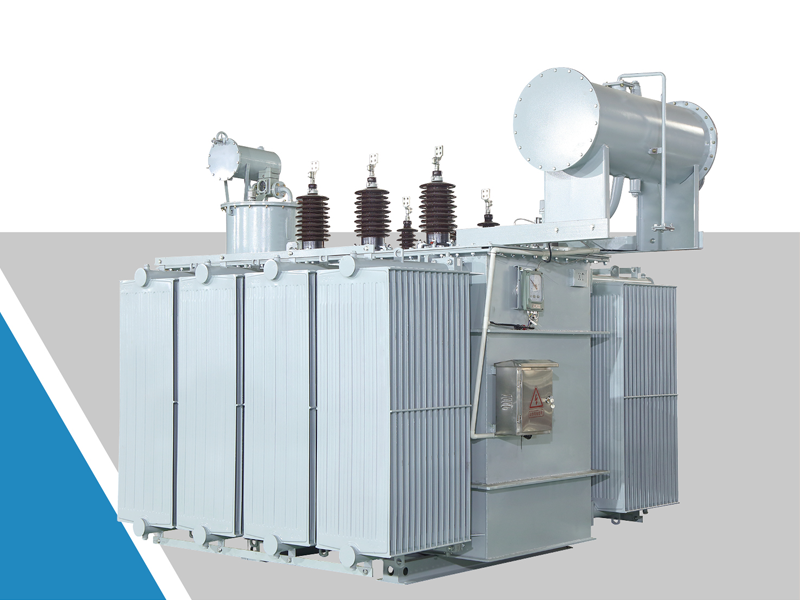
Stable power transmission is essential to the proper functioning of modern society. As a core component of power transmission systems, the proper operation of transformers directly impacts the stability of power transmission. Transformer oil, a vital component of transformers, plays a crucial role. Commonly known as transformer insulating oil or electrical insulating oil, its primary functions are cooling and insulation, and it also serves to extinguish arcs generated during circuit disconnection. The quality of transformer oil (insulating oil) may gradually deteriorate due to exposure to external contaminants, contact with air, and the high operating temperatures of the equipment itself. To ensure the safe operation of transformers, the dielectric strength of the insulating oil must be tested regularly. Breakdown voltage is a key indicator of the electrical strength of insulating oil.

Why Is Transformer Insulating Oil Important?

Basic Functions of Transformer Oil

1. Insulation Properties: Transformer oil possesses excellent insulation properties, effectively isolating the high-voltage components inside the transformer from electrical contact with ground. This prevents current leakage and the occurrence of arcing, ensuring the safety and stability of power transmission.

2. Cooling Performance: Transformer oil effectively absorbs and conducts heat generated inside the transformer, maintaining its normal operating temperature, preventing damage from overheating, and ensuring the stability and reliability of power transmission.

3. Maintenance Performance: Transformer oil effectively adsorbs and neutralizes impurities and acidic substances generated inside the transformer, preventing internal corrosion and oxidation, extending the transformer’s service life, and reducing maintenance costs.


The Importance of Transformer Oil

1. Ensuring the Stability of Power Transmission: As a critical component of the transformer, transformer oil directly impacts the stability of power transmission. High-quality transformer oil maintains the transformer’s normal operating temperature and prevents damage from overheating; simultaneously, its excellent insulating properties prevent current leakage and arcing, ensuring the safety and stability of power transmission.

2. Improving Transformer Efficiency: The cooling properties of transformer oil effectively absorb and dissipate heat generated inside the transformer, maintaining its normal operating temperature. This enhances the transformer’s efficiency, reduces energy loss, and lowers power transmission costs.

3. Extending the service life of transformers: High-quality transformer oil effectively adsorbs and neutralizes impurities and acidic substances generated inside the transformer, preventing internal corrosion and oxidation, thereby extending the transformer’s service life and reducing maintenance costs.


What Is BDV Testing

In the electrical and power industries, BDV testing typically refers to the Breakdown Voltage Test. This is a core test used to evaluate the ability of insulating materials or insulating oil to withstand high voltage.

Simply put, it measures the maximum voltage a material can withstand without experiencing electrical breakdown (i.e., losing its insulating properties and forming a conductive path).

Primary Test Subjects

1.Insulating Oil: This is the most common application, particularly for transformer oil. Transformer oil serves both insulation and cooling functions, and its breakdown voltage (BDV value) is a key indicator of oil quality. A higher BDV value indicates better insulation properties and safer equipment operation.

2.Solid Insulation Materials: Used to evaluate the dielectric strength of materials such as plastics, rubber, insulating paper, films, and laminates. This is commonly applied in the insulation design and quality inspection of cables, motors, and switchgear.

3.Basic Testing Principle: Taking insulating oil testing as an example, the standard procedure is as follows:

4.Sampling: A small amount of oil is drawn from the equipment and placed in a dedicated standard oil cup.

5.Setup: Place a pair of electrodes of specified shape and gap (e.g., 2.5 mm) into the oil cup.

6.Voltage Increase: Using a breakdown voltage tester, continuously increase the voltage between the electrodes at a constant rate (e.g., 2–3 kV/s).

7.Breakdown: When the voltage reaches a certain critical point, the oil sample will instantly “break down,” causing the current to surge and an arc to form. The voltage value at this moment is the breakdown voltage for this test.

8.Recording and Averaging: Repeat the test 5–6 times (stirring the oil sample after each breakdown), and take the average of all breakdown voltage values as the final result.

Interpretation of Results and Influencing Factors

1.Reference Standards

Insulating oil: For new oil or transformer oil in good operating condition, the BDV value is typically required to be 50–60 kV or higher. Specific acceptance criteria should be determined based on the equipment’s voltage rating and relevant standards (e.g., ASTM D1816, IEC 60156).

Solid insulation: Acceptance criteria are specified in test standards based on the material’s rated voltage and application scenario.

2.Factors Affecting the BDV Value

Moisture: The most critical factor reducing the BDV value; even trace amounts of moisture can significantly lower it.

Solid Impurities: Such as dust, fibers, and metal particles.

Chemical Aging: Byproducts of oil oxidation, including acids and sludge.

Dissolved Gases: Generated by partial discharge or overheating.

Test Conditions: Oil temperature, electrode shape and gap, ramp-up rate, etc.


Typical BDV Test Values

Although specific acceptable values vary depending on standards and transformer specifications, some general guidelines can help interpret the results.

1.Above 60 kV

The oil is in excellent condition.

High insulation strength; the oil is likely clean and dry.

2.50–60 kV

The oil is in good condition and acceptable, but engineers may monitor it more closely during routine maintenance cycles.

3.40–50 kV

Oil quality may be deteriorating.

Contaminants or moisture may be present. Filtration or purification is recommended.

4.Below 40 kV

The oil is generally considered unacceptable and may require immediate treatment or replacement.

Low BDV readings indicate that the oil can no longer provide reliable insulation, increasing the risk of internal discharge.

BDV Testing as Part of a Comprehensive Oil Analysis Program

While BDV testing provides valuable information, it is only one component of a complete transformer oil analysis program.

Engineers typically combine BDV testing with other diagnostic tests, such as:

· · Moisture content analysis

· · Dissolved gas analysis (DGA)

· · Acidity testing

· · Surface tension testing

· · Furan analysis for aging of paper insulation

When combined, these tests provide a clearer picture of the transformer’s health.

Protective devices such as oil pressure relays also play a role in monitoring abnormal conditions, but oil testing remains critical for assessing insulation quality.

What happens when BDV test results are low?

Low BDV readings do not always indicate a transformer failure. In many cases, the oil’s normal functionality can be restored through treatment.

Common maintenance measures include:

1.Oil filtration

Removes suspended particles and solid contaminants.

2.Oil dehydration

Vacuum dehydration removes moisture and improves dielectric strength.

3.Oil restoration

Advanced treatment processes can restore the oil’s performance and extend its service life.

4.Oil replacement

If the oil is severely degraded, a complete replacement may be necessary.

Selecting the appropriate solution depends on the overall condition of the oil and the transformer.

Conclusion

Transformer oil plays a critical role in maintaining safe and reliable power operations. BDV testing provides a practical method for assessing the insulation strength of transformer oil and detecting potential issues before they escalate.

Understanding what BDV values indicate helps maintenance teams make informed decisions regarding oil treatment, filtration, or replacement. Regular testing, combined with proper maintenance measures, can significantly reduce the risk of transformer failures and enhance the long-term reliability of the equipment.

For organizations seeking expert support in transformer diagnostics and maintenance, MES offers specialized services to help ensure the safe and efficient operation of power systems.

If you are interested in transformers, please contact us.
Related News
Leave me a message
X
We use cookies to offer you a better browsing experience, analyze site traffic and personalize content. By using this site, you agree to our use of cookies. Privacy Policy
RejectAccept