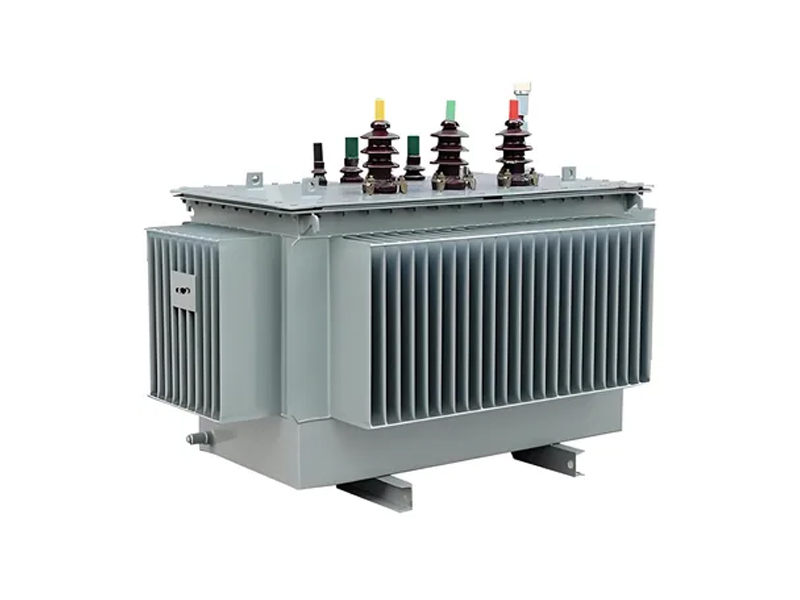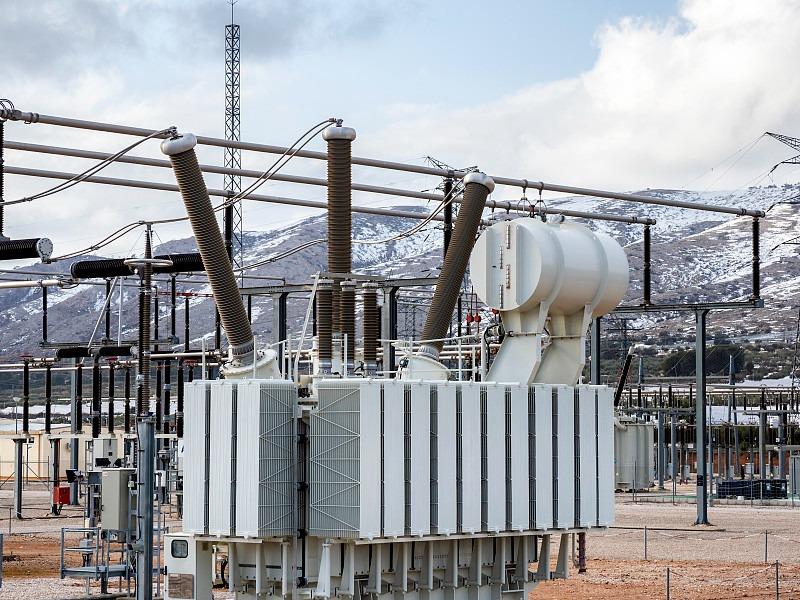
Oil immersed transformers, as key equipment in power systems, have significant importance in monitoring their oil temperature to ensure safe and stable operation as well as extend their service life. Oil immersed transformers rely on insulating oil for both insulation and heat dissipation, and the high or low oil temperature directly reflects its operational health status. Excessive heat indicates overload or poor heat dissipation. Continuous overheating can accelerate insulation aging and even cause malfunctions. Therefore, oil temperature monitoring is one of the most important operational monitoring methods for oil transformers.
I. Development History of Oil Temperature Monitoring Technology
The development of oil temperature monitoring technology for oil-immersed transformers has experienced a process of technological evolution from traditional to new technology. Early oil temperature monitoring mainly relied on traditional equipment such as mechanical thermometers and thermocouples. Although these equipments have simple structures and low costs, they have obvious shortcomings in accuracy and real-time performance. With the advancement of sensor technology, thermal resistors and optical fiber sensors are gradually used in the field of oil temperature monitoring, significantly improving the accuracy and stability of monitoring. In particular, the emergence of optical fiber sensing technology has brought revolutionary changes to oil temperature monitoring. This technology uses the wavelength changes of fiber gratings to sense temperature. It has the advantages of anti-electromagnetic interference, high accuracy and distributed monitoring. It has been widely used in large oil-immersed transformers. At the same time, the introduction of Internet of Things technology has further promoted the development of oil temperature monitoring in an intelligent and wireless direction, realizing the integration of remote monitoring and data management. This development process shows that oil temperature monitoring technology is gradually transforming from single parameter monitoring to multi-parameter comprehensive monitoring, and moving towards a more intelligent and efficient direction.
II. Which "Oil" Is Being Measured?
Oil-immersed transformers mainly monitor two types of temperature:
|
Temperature Type |
Measurement Location |
Significance |
|
Top Oil Temperature |
Upper part of the tank (near the top cover) |
Reflects the hottest point of the oil; the standard monitoring target per national standards/specifications |
|
Winding Temperature |
Indirect calculation (oil temperature + load current simulation) |
Approximately 10–15°C higher than oil temperature; used as a reference for protection tripping |
Note: In daily practice, "transformer oil temperature monitoring" refers by default to the top oil temperature.
III. Core Equipment for Oil Temperature Monitoring
1. Pressure-Type Thermometer (BWY Series) – Most Common
2. Digital Temperature Controller (with Pt100/Pt1000)
3. Winding Temperature Indicator (WTI)
IV. How to Diagnose Abnormal Oil Temperature?
Phenomenon
Possible Causes
Actions
High oil temperature but normal load
Radiator dust/clogging, fan failure, low oil level, oil pump stopped
Clean radiators, check cooling system, refill oil
Sudden temperature rise + light gas alarm
Internal partial overheating / inter-turn short circuit
Immediately take oil sample for DGA analysis; consider shutdown if necessary
Oil temperature inconsistent with ambient/load
Sensor drift or poor contact wiring
Calibrate/replace thermometer
Phase-to-phase oil temperature difference > 10K (forced oil circulation)
Oil circuit blockage, pump failure
Check oil pumps and valve status
V. Daily Inspection Points
Verify the difference between local thermometer and remote reading (generally ≤ ±5°C).
Ensure the thermometer pocket valve is open (often mistakenly closed, causing lower readings).
During seasonal transitions (winter/summer), check whether radiator fans and oil pumps start/stop at the correct temperature settings.
After new commissioning or oil refilling, vent air and recheck oil temperature trends.
Summary
Oil-immersed transformers use top oil thermometers (pressure-type or digital) for real-time monitoring, with graded protection: alarm → trip. Large-capacity main transformers also add winding temperature indicators. During operation, the top oil temperature should ideally be kept below 85°C. If an abnormal rise occurs, first check the load and cooling system — do not blindly reset and continue operation.